What is a Thrift Store? How It Works, What You Can Find, and Why It Matters
A thrift store can turn an ordinary shopping trip into a chance to find useful items at lower prices, from winter coats to kitchen essentials. But what is a thrift store, and how d...
Quincy D.-Nov 25, 2026
Image by Unsplash
Table of Contents
A thrift store can turn an ordinary shopping trip into a chance to find useful items at lower prices, from winter coats to kitchen essentials. But what is a thrift store, and how does it work?
Before your first visit, it helps to understand where donated goods come from, how to check their condition, and how to shop within your budget without overlooking worthwhile finds.
1. What Is a Thrift Store?
A thrift store is a retail shop that sells secondhand items at lower prices than their typical retail cost. Unlike traditional stores that mainly stock brand-new products, thrift stores offer pre-owned goods that are still usable, often in good or gently used condition.
Most thrift stores get their inventory through donations from individuals, families, and local organizations. Staff or volunteers typically:
Sort donated items by category.
Check their condition and remove unsuitable goods.
Set affordable prices based on the item’s condition and value.
Arrange items on shelves or racks for shoppers to browse.
Thrift stores can be for-profit businesses or nonprofit organizations. While private stores earn revenue from reselling used goods, nonprofit thrift stores often use their proceeds to fund community services, shelters, job training, or recovery programs.
Beyond offering affordable shopping options, thrift stores also give pre-owned goods a second life and help reduce waste.
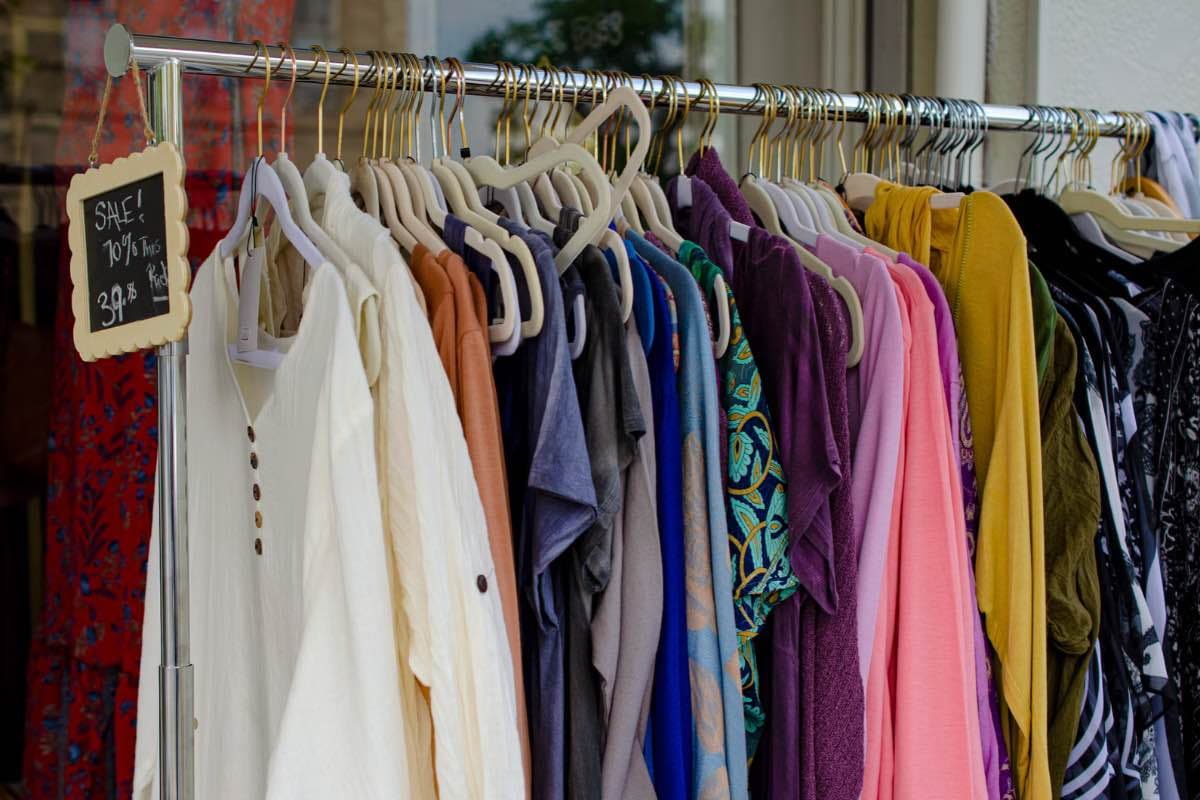
What is a thrift store? It is a retail shop that sells secondhand items at lower prices than their typical retail cost. (Image by Pexels)
2. What Can You Buy at a Thrift Store?
Some aisles are worth visiting with a list, especially when you need work clothes or dishes for a first apartment. Others reward a slower look because the most interesting piece might be tucked behind something ordinary. From everyday essentials to unique secondhand finds, thrift stores can offer plenty of options at different price points.
Clothing, Shoes, and Accessories for Everyday Wear
Jeans, button-down shirts, and jackets are good places to start because you can assess their condition and try them on before buying. Shoes, belts, and scarves can also be useful finds when you know what to check.
Before adding an item to your cart, look for:
Clothing: Loose buttons, broken zippers, thinning fabric, and damaged seams
Shoes: Unevenly worn heels, damaged soles, and signs of poor fit
Accessories: Frayed belts, missing buckles, stains, or damaged fasteners
Furniture and Home Decor for a More Affordable Home
Furnishing a small apartment raises a practical question: what is a thrift store likely to have that will fit through your door?
Side tables, wooden chairs, lamps, and framed prints are often easier to transport than large furniture sets. Having your room measurements ready can help you avoid buying something that does not fit.
Pay special attention to:
Furniture dimensions compared with your available space
Drawer movement and the condition of handles
Chair and table legs for wobbling or loose joints
Scratches, water marks, and visible repairs
Kitchenware, Books, and Everyday Household Essentials
Everyday household items can be some of the most practical thrift store purchases. A spare saucepan, a pair of mismatched mugs, or a useful cookbook may be all you need to complete your kitchen without spending much.
A quick inspection can help you avoid items with missing parts or damage:
Cookware: Check that lids fit and handles are firmly attached.
Dishes and mugs: Look for chips, cracks, and damaged rims.
Food containers: Make sure lids match and close securely.
Books: Flip through the pages to spot missing, stuck, or heavily damaged sections.
Vintage, Collectibles, and One-of-a-Kind Finds
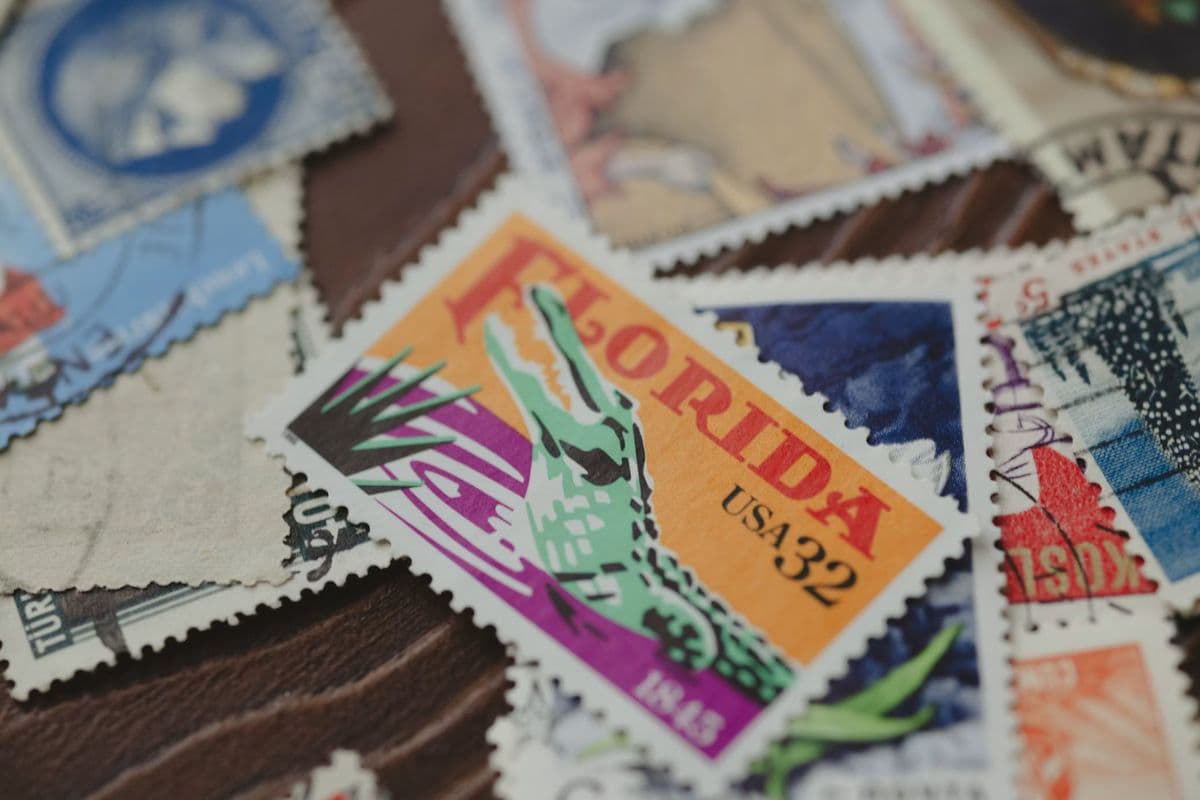
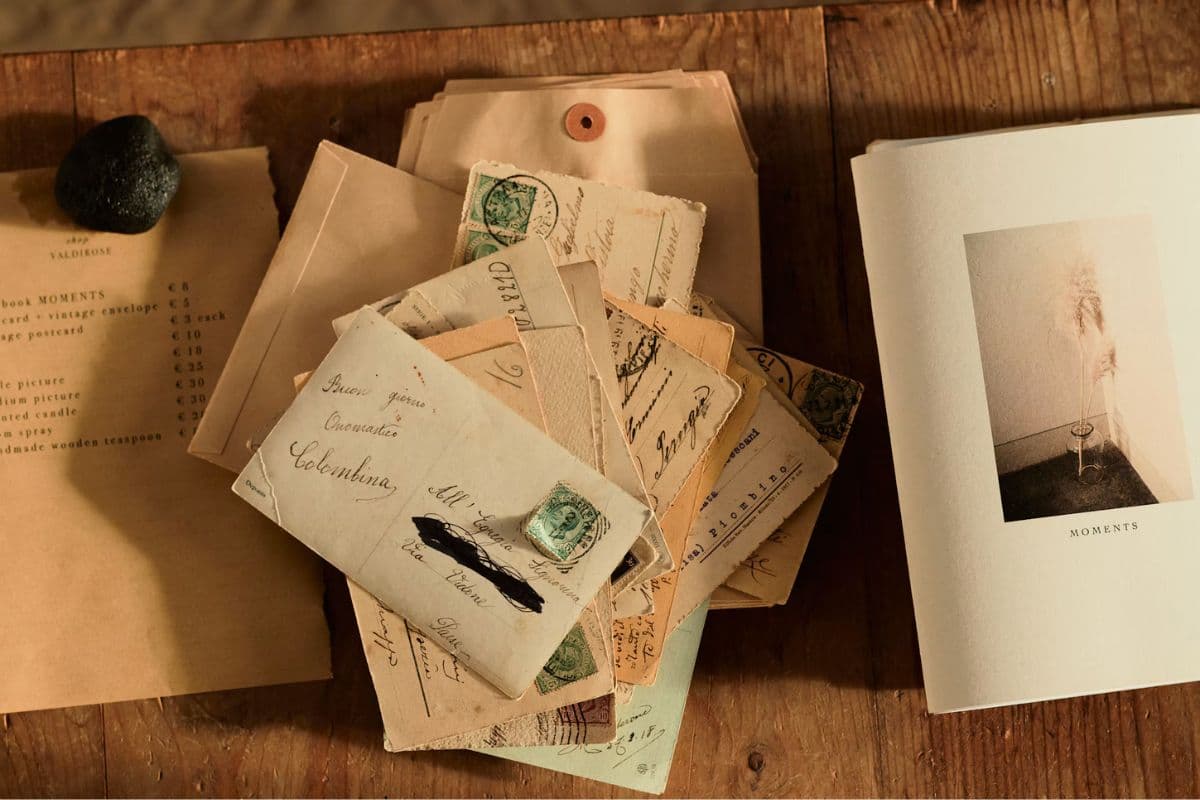
An embroidered tablecloth, a discontinued china pattern, or a concert shirt from a tour you remember can be worth taking home for personal reasons alone. These items may appeal to collectors, but their value depends on factors such as condition, rarity, and authenticity.
When a piece’s age or origin matters, look for maker’s marks, labels, dates, and other identifying details. Turn items over and inspect the undersides, too, since repairs and signs of wear are sometimes easier to spot there.
3. How to Shop at a Thrift Store Without Wasting Money?
Five dollars for a coat sounds like a bargain until you notice the broken zipper and get a quote to replace it. Before you head to the register, give each item the same attention you would if you were paying full price.
Shop for a specific need. Before leaving home, ask yourself, “What is a thrift store likely to have that I already need?” A short list gives you a reason to pass up tempting extras.
Set a limit before you browse. Decide what you’d pay for each item on your list. Leave room for sales tax, alterations, or delivery, especially when shopping for furniture.
Bring measurements. Note the waist and inseam of jeans that fit you well, or measure the space beside your bed before shopping for a nightstand. Carry a small tape measure.
Check the condition in good light. Look closely at cuffs, collars, and seams, where wear often shows first. Open drawers, test zippers, and check that containers come with matching lids.
Compare the full cost. A secondhand lamp that needs a shade and bulb may cost more than a complete one. Compare the price of an item you could use immediately.
Read the return policy before paying. When a sale is final, try on the jacket or ask to test the appliance. Leave it behind if you can’t tell whether it will work for you.
Discover budget-friendly finds, from everyday essentials to unique secondhand treasures. (Image by Unsplash)
4. Thrift Store vs. Vintage Store: What Are the Key Differences?
You might spot the same embroidered denim jacket in a thrift store and a vintage shop, but it reached each rack for a different reason. That difference helps explain the price tag and how long you might spend browsing.
Feature
Thrift store
Vintage store
How items are selected
Stock often comes from local donations and spans many styles.
Sellers select pieces for their era, design, label, or craftsmanship.
Age of merchandise
Recent purchases can sit alongside decades-old pieces.
The focus is on older pieces associated with a particular period or style.
Pricing
Everyday goods are often inexpensive, though specialty items may cost more.
Prices often reflect condition, rarity, demand, and the work of sourcing each piece.
Shopping experience
Sizes, styles, and categories depend on what has recently arrived.
A narrower selection makes it easier to browse a particular era or aesthetic.
Best reason to visit
You need an affordable everyday item and can be flexible about the details.
You have a specific piece in mind, such as a 1970s wool coat.
Before you buy a wool sweater that fits perfectly but still has its dry-cleaning tag, what is a thrift store likely to have done to prepare it for sale? Cleaning practices, return policies, and even where your money goes vary by shop.
Are all thrift stores nonprofit organizations?
No. Some thrift stores raise money for nonprofit programs, while others operate as for-profit businesses. To support a particular cause, look for the name of the organization that runs the store and a description of how it uses the proceeds.
Many shops receive donated merchandise, which keeps their inventory costs low. Pricing items to sell quickly also frees up space for incoming donations, although a collectible or sought-after label may carry a higher price.
Do thrift stores wash clothes before selling them?
Some stores clean selected garments, but washing practices vary. A fresh tag or neatly pressed collar doesn’t tell you whether an item was laundered, so follow the care label and clean secondhand clothing before wearing it.
Can you return items purchased from a thrift store?
Some stores offer exchanges or store credit, while others treat purchases as final. Check the policy for the item you’re buying, since clothing and electronics may have different rules, and keep your receipt if returns are allowed. The FTC recommends reviewing a seller’s return policy and keeping proof of purchase.
Are thrift stores better for the environment?
Buying secondhand can reduce waste by keeping usable goods in circulation longer. The clearest benefit comes when a purchase replaces something you would otherwise buy new, such as a sturdy desk you’ll use for years.
What should you avoid buying at a thrift store?
Skip items you can’t clean, inspect, or put to use without costly repairs. A musty upholstered chair, an appliance you can’t test, or a board game missing essential pieces can turn a small purchase into an expense or a chore.
Final Thoughts
A thrift store visit can be more rewarding when you know what to look for and how to judge an item’s value. If you’re still asking what is a thrift store worth visiting for, start with practical pieces that match your needs, fit your budget, and are in good condition.
Share
TAG Blog
Stories, guides, and helpful updates for staying connected.