Questions to Ask Interviewer That Leave a Strong Impression
Strong interviews are shaped not only by the answers you give but also by the quality of the questions you raise at the end. Choosing thoughtful questions to ask interviewer can re...
Quincy D.-Jul 31, 2026
Image by Unsplash
Table of Contents
Strong interviews are shaped not only by the answers you give but also by the quality of the questions you raise at the end.
Choosing thoughtful questions to ask interviewer can reveal more about the role, team culture, expectations, growth opportunities, and hiring process while showing genuine interest. The right questions also help you evaluate whether the position aligns with your goals, working style, and long-term career direction.
1. Why Asking the Right Questions Matters?
The final part of an interview is a chance to learn information that may not appear in the job description while showing how thoughtfully you approach the opportunity. Preparing thoughtful questions to ask interviewer can also turn the conversation into a more balanced exchange instead of leaving the employer to do all the evaluating.
Shows genuine interest: Thoughtful questions signal that you have considered the position carefully and want to understand more than the basic responsibilities.
Reveals expectations: Asking about priorities, challenges, or early goals helps clarify what success would actually look like after joining the team.
Helps evaluate workplace fit: Culture, management style, collaboration, and daily routines can strongly influence job satisfaction. Goodquestions to ask an interviewer can uncover these details before you make a career decision.
Demonstrates preparation: Relevant questions based on the role or earlier conversation show that you listened closely and prepared beyond simply rehearsing answers.
Clarifies next steps: Asking about the remaining interview stages, hiring timeline, or decision process gives you a clearer idea of what to expect after the conversation ends.
Thoughtful questions at the end of an interview help you learn more about the role while leaving a strong impression. (Image by Unsplash)
2. What are the Top 10 Questions to Ask an Interviewer?
The strongest interview questions go beyond information you could easily find on the company website. They should help you understand expectations, team dynamics, challenges, and growth opportunities while giving you natural openings to reinforce why you could be a strong fit for the role.
#1 What Would Success Look Like in This Role After the First Three to Six Months?
This question shows that you are already thinking about performance rather than simply getting hired. The interviewer’s answer can reveal the priorities, targets, and learning curve attached to the position.
To score points, respond by briefly connecting one of those expectations to a relevant skill or past achievement, showing that you can picture yourself delivering results in the role.
#2 What Are the Biggest Challenges Someone in This Position Will Face?
Employers know every role comes with obstacles, so asking about them demonstrates maturity and realistic thinking. Listen closely for challenges involving workload, systems, customers, deadlines, or team dynamics.
Afterward, mention a similar situation you handled successfully and explain, in one or two sentences, how that experience could help you approach the challenge effectively.
#3 What Does a Typical Day or Week Look Like in This Role?
Job descriptions rarely capture the full daily routine. When considering what questions to ask interviewer, this one reveals meetings, projects, priorities, and team interaction while helping you connect your strengths naturally to the role.
#4 What Separates Someone Who Is Good at This Job From Someone Who Is Excellent?
This question moves beyond minimum requirements and focuses on what outstanding performance looks like. The interviewer may mention initiative, communication, problem-solving, ownership, technical ability, or collaboration.
Use their answer as an opportunity to identify one quality you already demonstrate, then support it with a concise example instead of simply saying that you possess the trait.
#5 What Are the Most Important Priorities for the Person Joining This Team?
Asking about immediate priorities helps you understand where the employer needs support most urgently. It can also reveal whether the position centers on solving an existing problem, supporting growth, replacing a previous employee, or building something new.
Respond by explaining which priority interests you most and briefly connect it to experience that could help you contribute early.
#6 How Does the Onboarding Process Work for This Position?
Onboarding questions signal that you are thinking ahead about becoming productive quickly. The interviewer may explain training, introductions, systems access, mentoring, or early assignments.
A strong follow-up is to express enthusiasm for the learning process and mention how you normally approach unfamiliar tools, responsibilities, or environments so they can see that you take adaptation seriously.
#7 How Would You Describe the Team’s Working and Communication Style?
Team culture can affect daily performance as much as the job responsibilities themselves. This question may reveal whether employees collaborate closely, work independently, communicate informally, or follow structured processes.
Once the interviewer answers, relate your own working style to compatible aspects of the team without pretending to match everything they say simply to impress them.
8. What Opportunities Are Available for Learning and Career Growth?
Career-development questions show ambition when they are framed around building skills and contributing more over time rather than immediately seeking promotion. Ask about training, mentoring, expanded responsibilities, or typical progression from the position.
Strengthen your response by mentioning a skill you hope to develop and how improving it could also create greater value for the company.
#9 What Do You Personally Enjoy Most About Working Here?
This question invites a more personal answer and may reveal aspects of the company that formal recruiting materials do not capture. Pay attention to whether the interviewer talks about leadership, colleagues, flexibility, mission, development, or projects. Respond naturally to something specific they mention, which can make the conversation feel more genuine and memorable instead of overly rehearsed.
#10 Is There Anything About My Experience or Background You Would Like Me to Clarify?
This is a powerful closing question because it gives you one more opportunity to address concerns before the interview ends. If the interviewer raises a gap or reservation, avoid becoming defensive.
Clarify the issue directly, provide a relevant example when possible, and explain how your transferable skills or learning ability would help you succeed despite that concern.
Some questions can make you seem unprepared, overly focused on personal benefits, or uninterested in the actual responsibilities of the role. Keeping the conversation centered on contribution, expectations, and fit usually creates a stronger professional impression.
“What does your company do?”: This information should normally be researched before the interview. Asking may suggest that you did not spend enough time learning about the employer or preparing for the conversation.
“How soon can I get promoted?”: Career growth is worth discussing, but asking about promotion too early can make your attention seem focused on the next position rather than succeeding in the one you are interviewing for.
“How much vacation time will I get?”: Benefits matter, but leading with time off during an early interview can give the wrong impression. It is usually better to discuss detailed benefits once the employer introduces compensation or the hiring process reaches a later stage.
4. Stay Updated While Preparing for Your Next Interview
Interview preparation often continues beyond the desk, from reviewing company information to practicing answers or checking recruiter messages on the go. For qualifying households, the Lifeline Program can make that connectivity more affordable by supporting eligible phone or internet service.
Lifeline is a federal benefit for eligible low-income consumers, and only one benefit is allowed per household. You can generally qualify in two ways:
Income-based qualification: Household income is at or below 135% of the Federal Poverty Guidelines.
Program-based qualification: Participation in an approved assistance program such as SNAP, Medicaid, SSI, Federal Public Housing Assistance, Veterans Pension or Survivors Benefit, or certain Tribal programs. SNAP is one of the programs that can qualify you for Lifeline.
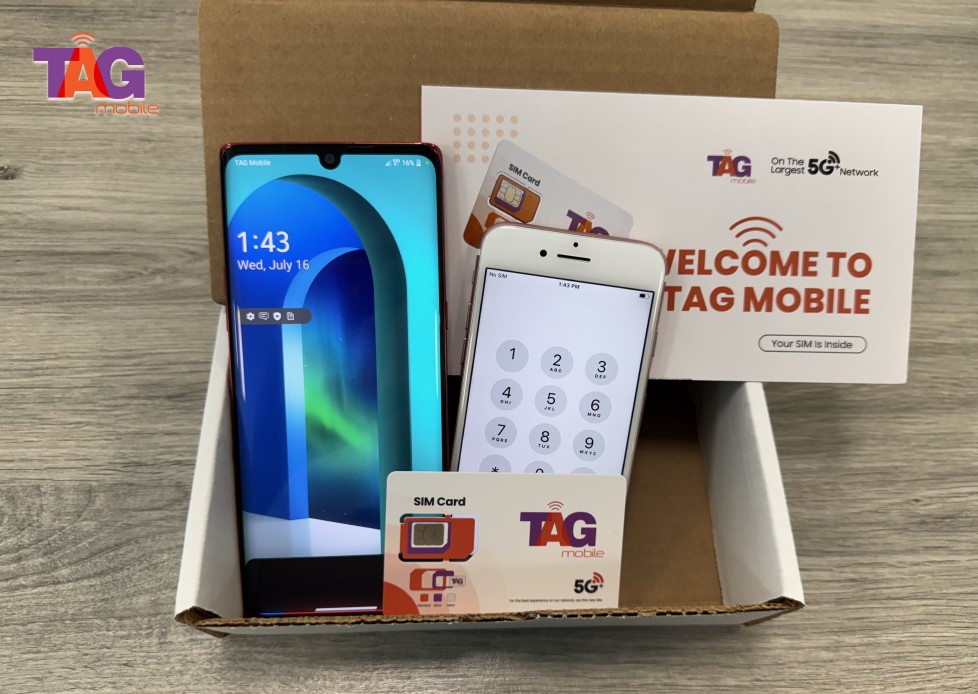
TAG Mobile is an Eligible Telecommunications Carrier that provides Lifeline-supported wireless service in participating areas. Many applicants consider TAG Mobile because the company combines Lifeline service with practical wireless features and device choices that can make staying connected for job searches, recruiter calls, and interview preparation easier.
Free or discounted devices may be available to eligible customers, depending on location and inventory.
Up to 16GB of data may be included with the free Lifeline plan.
Unlimited talk and text support everyday communication with recruiters, employers, and professional contacts.
Free international calling to 200+ countries and territories is included in current eligible plans.
No contract or credit check is required for the Lifeline offering, helping simplify enrollment for qualifying customers.
Applying for a free phone through TAG Mobile follows a straightforward process. Preparing your eligibility information before starting can help the application move more smoothly.
Confirm eligibility: Make sure you meet Lifeline requirements through qualifying income or participation in an approved assistance program, such as SNAP.
Check local availability: Enter your ZIP code on the TAG Mobile website to see the Lifeline-supported service and device options available in your area.
Review and select: Choose the available service plan and any eligible free or discounted phone that fits your location and qualification.
Finish your application: Enter your information, upload documents if requested, and review your application before submitting it.
Wait for approval and activate: After approval, your service or device will be shipped if applicable, and you can activate it by following the provided instructions.
Preparing for the next interview is easier when calls, messages, research, and online resources remain within reach. Check your Lifeline eligibility with TAG Mobile to see which service and device options may be available in your area.
TAG Mobile is the one of the most trusted Lifeline provider choices for eligible US residents.
Note: Eligibility varies by state and program. Offers depend on availability and qualifications. TAG Mobile operates under the federal Lifeline Program as an Eligible Telecommunications Carrier (ETC). Service is non-transferable and limited to one service per household.
5. Frequently Asked Questions About Interview Preparation
Interview preparation is not only about practicing answers, since the questions you raise can also shape how professional and engaged you appear. The goal is to ask enough to learn something meaningful without turning the closing minutes into another full interview.
How many questions should you ask an interviewer?
Usually, preparing three to five strong questions works well, though you may only have time to ask two or three. When choosing questions to ask interviewers, prioritize the ones that clarify success, team expectations, and the role itself rather than asking everything on your list.
Is it okay not to ask any questions?
It is better to ask at least one thoughtful question if the interviewer gives you the opportunity. Saying you have no questions can sometimes make you seem less curious or prepared, unless everything you planned to ask has already been covered naturally during the conversation.
Should you ask about salary in the first interview?
Salary can be discussed in the first interview when the recruiter or employer brings it up, or when compensation details are necessary to determine whether the role is viable. Otherwise, focusing first on responsibilities, expectations, and fit often creates a stronger impression before moving into detailed pay and benefits discussions.
Final Thoughts
Thoughtful preparation makes the final minutes of an interview just as valuable as the rest of the conversation. Choosing strong questions to ask interviewer helps clarify expectations, workplace culture, and growth opportunities.
To stay connected while researching employers or communicating with recruiters, eligible consumers can also explore Lifeline-supported wireless service and available device options through TAG Mobile.
Share
TAG Blog
Stories, guides, and helpful updates for staying connected.