Is Sourdough Bread Good for You? A Practical Nutrition Guide
Sourdough is more than bread with a tangy flavor; its slow fermentation changes the dough in ways that may affect how the body handles it. So, is sourdough bread good for you? Pote...
Quincy D.-Aug 24, 2026
Image by Unsplash
Table of Contents
Sourdough is more than bread with a tangy flavor; its slow fermentation changes the dough in ways that may affect how the body handles it. So, is sourdough bread good for you?
Potential health benefits include improved digestion and better mineral availability. However, your choice of flour and portion size still determine the overall nutritional value.
1. Is Sourdough Bread Good for You?
Yes, traditional sourdough can be a nutritious choice, especially compared with highly refined white bread. Sourdough fermentation improves digestibility while supporting mineral absorption.
Even so, individual health value depends heavily on ingredient quality and serving portions.
2. Why Is Sourdough Bread Good for You?
Slower fermentation changes the dough structure entirely, directly improving nutrient availability and digestive comfort. Looking at how is sourdough bread good for you comes down to understanding what this slower fermentation process may do differently from standard commercial bread.
Easier to Digest
Why is sourdough bread good for you? One of the reasons is natural fermentation helps break down some of the carbohydrates and proteins in flour before the bread is baked.
This may make sourdough easier for some people to tolerate compared with conventional bread, especially when it is made through a long fermentation process rather than with added commercial yeast alone.
May Support Better Mineral Absorption
Sourdough fermentation can promote phytate breakdown by creating acidic conditions that enhance phytase activity. Phytates naturally bind essential minerals like iron and magnesium.
Breaking down phytates allows your body to absorb those vital nutrients much more efficiently.
Lower phytate levels may make these nutrients easier for the body to absorb, particularly when the bread is made with whole-grain flour.
May Have a Gentler Blood Sugar Effect
Some sourdough breads may produce a lower post-meal blood sugar response than certain conventional breads. Organic acids produced during fermentation slow down carbohydrate absorption.
The precise impact on blood sugar depends on flour selection and meal pairings.
Provides Beneficial Fermentation Compounds
The fermentation process produces organic acids and other compounds that contribute to sourdough’s distinctive flavor and texture.
While the live microbes are largely destroyed during baking, these fermentation byproducts may still influence digestibility and the way the bread interacts with the digestive system.
Can Offer More Fiber and Nutrients
Whole-grain sourdough delivers essential fiber alongside valuable B vitamins. Selecting unrefined grains provides significantly higher nutrient density than standard white flour.
Nutritional value varies widely, so bread made with whole or minimally refined grains generally offers more fiber and micronutrients than sourdough made primarily from refined white flour.
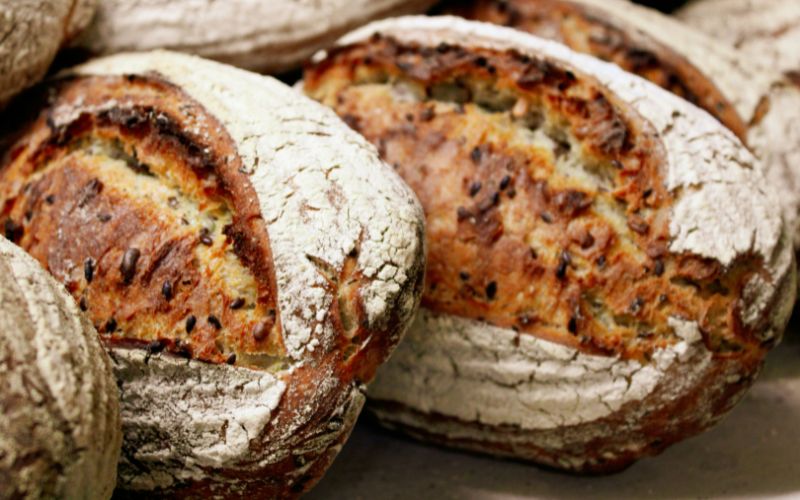
Is sourdough bread good for you? Some people may need to limit or avoid sourdough bread. (Image by Unsplash)
3. Who Should Be Careful With Sourdough Bread?
Sourdough can fit comfortably into many diets, but fermentation does not make every loaf suitable for everyone.
Personal health conditions dictate whether sourdough fits your diet. Specific flour types and underlying digestive sensitivities also influence individual tolerance.
People With Celiac Disease
Traditional wheat, rye, and barley sourdough still contains gluten, even though fermentation may break down some components of the flour.
People with celiac disease should avoid regular sourdough and choose only products specifically labeled gluten-free, since even small amounts of gluten can trigger intestinal damage.
People With Gluten Sensitivity
Some people without celiac disease may still experience digestive symptoms after eating gluten-containing foods. Long fermentation can make certain sourdough breads easier to tolerate, but it does not guarantee that symptoms will disappear.
Long fermentation reduces gluten levels but cannot eliminate them entirely. Check ingredient labels carefully to determine comfortable serving limits.
People With IBS
Traditional sourdough fermentation can reduce fructans, a type of FODMAP that may trigger symptoms in people with IBS.
However, not every sourdough is low FODMAP, especially varieties made with wheat or rye and shorter fermentation times. Those following a low-FODMAP diet should check the flour and preparation method carefully.
People Managing Blood Sugar
Sourdough may produce a gentler blood sugar response than some conventional breads, but it still contains carbohydrates.
Diabetics must monitor total carbohydrate intake carefully. Evaluating fiber content and serving size remains essential when adding sourdough to a meal plan.
People Watching Sodium Intake
Store-bought or bakery sourdough can contain a noticeable amount of sodium, depending on the recipe and serving size.
Anyone limiting sodium for dietary reasons should compare nutrition labels and portion sizes before choosing a loaf. Selecting lower-sodium varieties can help sourdough fit more comfortably into an overall balanced eating plan.
4. Sourdough vs. Regular Bread: Which Is Healthier?
The healthier choice depends on the recipe, flour, fermentation method, and individual dietary needs rather than the bread name alone. Traditional long-fermented sourdough may offer advantages in digestibility, mineral availability, and blood sugar response, while regular bread can still be nutritious when made with quality whole-grain ingredients.
Factor
Sourdough Bread
Regular Bread
Leavening
Uses a living starter containing wild yeast and lactic acid bacteria.
Usually relies on commercial baker’s yeast for a faster rise.
Fermentation
Longer, culture-driven fermentation develops organic acids and changes the dough structure.
Usually ferments more quickly with a more predictable production schedule.
Digestibility
Long fermentation may make some sourdough breads easier for certain people to tolerate.
Digestibility depends on flour quality and individual digestive sensitivity.
Blood Sugar Response
Some sourdough formulations may produce a gentler glycemic response.
Glycemic impact varies depending on total fiber and portion size.
Mineral Availability
Fermentation can reduce phytates, which may improve the availability of minerals such as iron, zinc, and magnesium.
Mineral availability depends largely on the flour, enrichment, and processing method.
Ingredients
Traditional recipes can be as simple as flour, water, salt, and sourdough starter.
Ingredient lists vary widely and may include commercial yeast, sweeteners, fats, or preservatives.
Fiber
Depends on the flour; whole-grain sourdough generally provides more fiber than white sourdough.
Also depends on flour type, with whole-grain varieties generally offering more fiber than refined white bread.
Probiotics
Starter contains live microbes, but most are destroyed during baking, so baked sourdough is not a live probiotic food.
Typically not associated with a live fermentation culture after baking.
Overall Health Value
Can be a nutritious option, especially when long-fermented and made with whole grains.
Can also be nutritious when made with whole grains and minimally processed ingredients.
Sourdough is therefore not automatically healthier in every situation. The source emphasizes looking at the fermentation process, ingredients, serving size, and the person eating the bread rather than assuming every sourdough loaf has the same nutritional advantages.
5. Balance Your Healthy Lifestyle with Smart Everyday Cost Savings
Maintaining a healthy lifestyle requires balancing grocery budgets with everyday household expenses. Eligible low-income consumers can reduce monthly communication costs through the federal Lifeline Program.
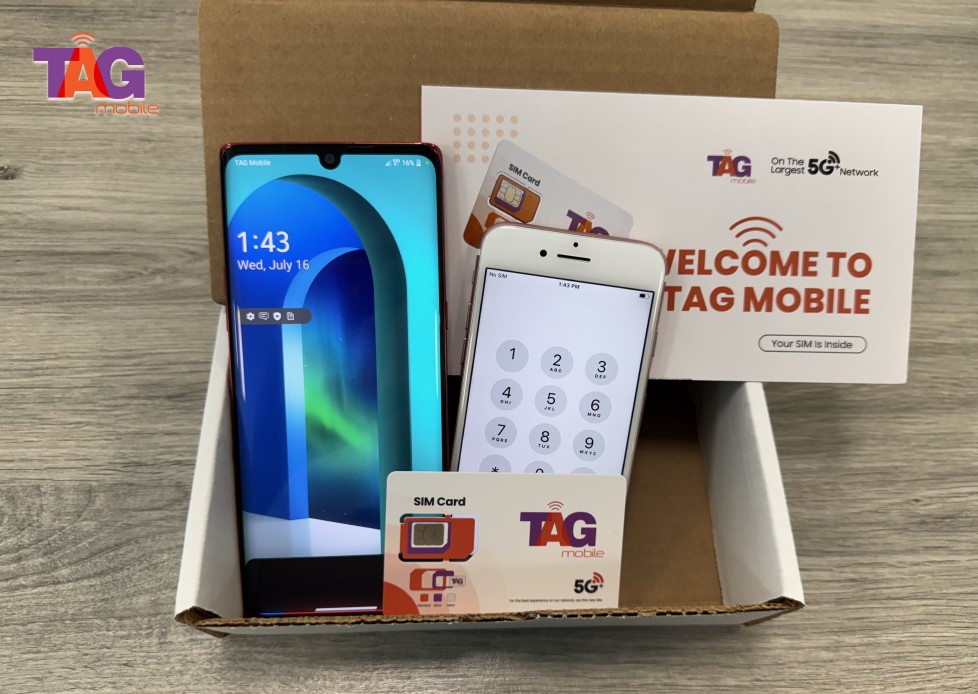
The Lifeline benefit applies strictly to monthly service discounts, whereas authorized service providers like TAG Mobile supply qualified subscribers with free or heavily discounted mobile devices.
You can generally qualify in two ways:
Program-based eligibility: Participation in qualifying assistance programs such as Medicaid, SNAP, SSI, Federal Public Housing Assistance, or certain veterans benefits may establish eligibility. SNAP is specifically recognized as a qualifying Lifeline program.
Income-based eligibility: Households may also qualify when income is at or below 135% of the Federal Poverty Guidelines, subject to current program requirements.
Getting a free phone through TAG Mobile starts with confirming Lifeline eligibility and checking which offers are available where you live. The application can be completed online, from the initial ZIP code check through approval, delivery, and activation.
Confirm eligibility: Determine whether you qualify through household income or participation in an approved assistance program.
Check availability: Enter your ZIP code on the TAG Mobile website to see the Lifeline service and current device offers available in your area.
Explore available options: Review the Lifeline plan and any free or discounted phones offered based on your location and eligibility.
Select your plan and device: Choose an eligible service plan and available phone option before continuing with enrollment.
Complete the application: Enter your legal name, date of birth, residential address, contact information, and other requested details.
Provide documents if required: Submit proof of income, program participation, identity, or address when additional verification is needed.
Review and submit: Check your information and shipping address carefully before sending the application for approval.
Receive your phone: Once approved, qualifying devices are typically delivered within 7-10 business days, depending on inventory and shipping conditions.
Activate your service: Follow the included instructions to activate your phone, SIM card, or eSIM and start using your TAG Mobile Lifeline-supported service.
TAG Mobile is the one of the most trusted Lifeline provider choices for eligible US residents.
Note: Eligibility varies by state and program. Offers depend on availability and qualifications. TAG Mobile operates under the federal Lifeline Program as an Eligible Telecommunications Carrier (ETC). Service is non-transferable and limited to one service per household.
6. FAQs about Sourdough Bread and Health
Nutrition can vary widely from one sourdough loaf to another, especially when flour type, fermentation time, and added ingredients differ. Looking at the full recipe and overall eating pattern gives a more accurate picture than relying on the sourdough label alone.
Is homemade sourdough bread good for you?
Homemade sourdough can be a nutritious option, especially when made with whole-grain flour and a long fermentation process. Homemade sourdough offers higher fiber content and better mineral availability.
Traditional baking methods also eliminate unnecessary additives found in commercial loaves.
Is sourdough bread anti-inflammatory?
Sourdough bread is not automatically an anti-inflammatory food, but fermentation may improve digestibility and produce compounds that influence gut health. Its overall effect depends on the flour used, portion size, and the rest of your diet.
What is the healthiest type of sourdough bread?
Whole-grain sourdough provides superior nutrition compared to refined white varieties. It delivers abundant dietary fiber alongside essential micronutrients.
Look for a simple ingredient list, true fermentation, and minimal added sugar or unnecessary additives.
7. Final Thoughts
Sourdough can fit comfortably into a balanced diet, especially when you choose whole-grain varieties and keep portions reasonable. The answer to is sourdough bread good for you ultimately depends on the loaf itself and your individual dietary needs.
Slower fermentation offers clear advantages for digestive comfort and steady blood sugar management. Check ingredient labels carefully to select the best option for your routine.
Share
TAG Blog
Stories, guides, and helpful updates for staying connected.