How to Stop Shoes From Squeaking Without Damaging Them
Squeaky footwear often comes from trapped moisture, loose insoles, rubbing materials, or friction between the sole and floor. Knowing how to stop shoes from squeaking begins with l...
Quincy D.-Aug 06, 2026
Image by Unsplash
Table of Contents
Squeaky footwear often comes from trapped moisture, loose insoles, rubbing materials, or friction between the sole and floor.
Knowing how to stop shoes from squeaking begins with locating the exact source before applying any treatment. Our guide covers gentle fixes for different shoe types, including moisture control, insole adjustments, sole conditioning, and targeted lubrication
1. Where Is the Noise Coming From?
The best approach to how to stop my shoes from squeaking depends on where the noise originates.
Pinpointing the source before trying a repair can save time and help prevent damage caused by using the wrong treatment on the shoe material.
Insoles: Noise may develop when a removable insole shifts or rubs against the inner base of the shoe.
Trapped Moisture: Sweat, rain, or incomplete drying can create friction between interior layers and produce squeaking with every step.
Outer Soles: Smooth rubber soles may squeak when they grip polished tile, hardwood, or other slick surfaces.
Loose Construction: Separating layers, weakened glue, or movement between the upper and sole can create repeated creaking sounds.
Leather or Synthetic Uppers: Tongues, seams, and overlapping panels may rub together, especially when the material is new or stiff.
2. How to Stop Shoes From Squeaking When Walking
The quickest way to solve a squeak is to isolate the exact movement that creates it. Testing the shoes carefully can reveal whether the sound comes from the floor, heel, toe, insole, or trapped moisture.
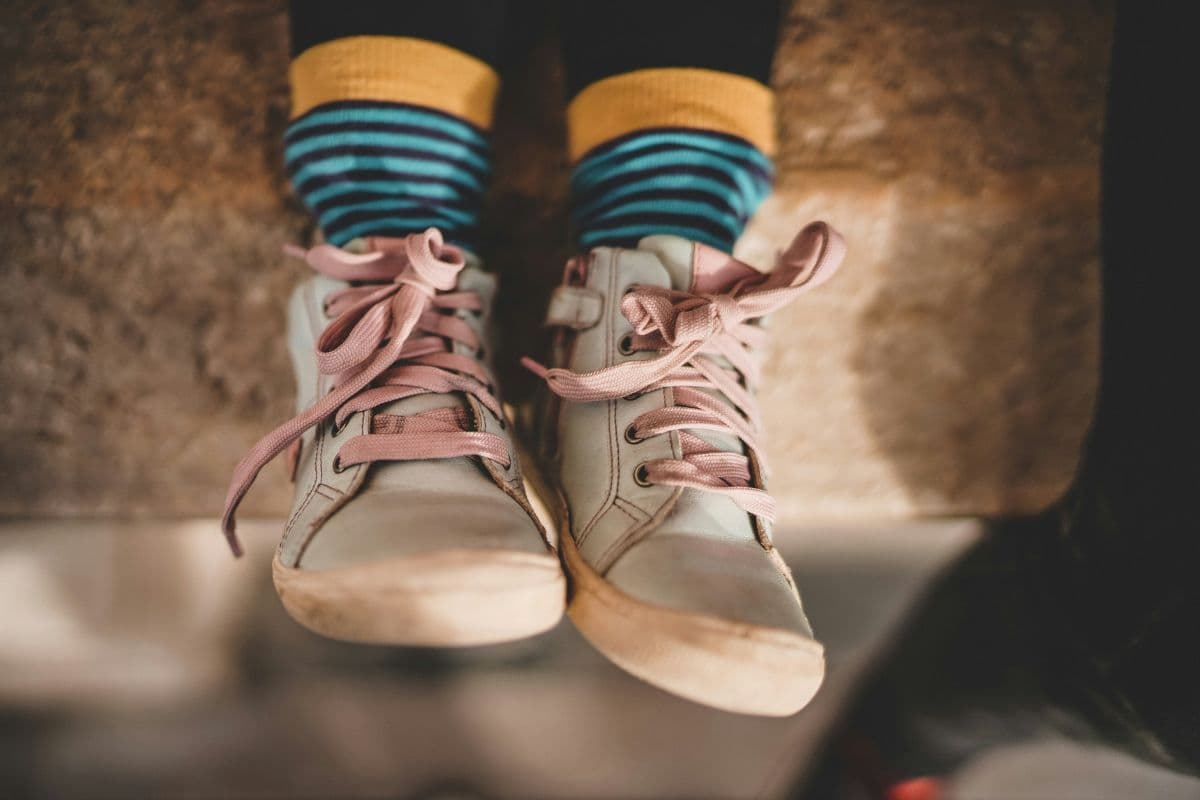
Stop squeaky shoes with simple fixes that help you walk more comfortably and quietly. (Image by Unsplash)
Test Different Walking Surfaces
Walk across tile, wood, carpet, and concrete to see whether the noise appears everywhere or only on smooth floors.
Squeaking limited to slick surfaces usually points to the outsole rather than an internal problem. This simple comparison helps narrow the cause before applying powder, conditioner, or adhesive.
Listen for Heel vs. Toe Noise
Take several slow steps and notice whether the sound occurs when the heel lands or when the toes push off.
Heel noise may suggest a loose heel cap, worn cushioning, or sole separation. Toe-area squeaks often come from flexing materials, rubbing panels, or moisture near the forefoot.
Check the Insole
Remove the insole and walk briefly without it, provided the shoe remains safe and comfortable.
When the squeak disappears, friction between the insole and footbed is likely responsible. Anyone learning how to stop shoes from squeaking can add a small amount of foot powder beneath the insole or reposition it carefully.
Dry the Interior Completely
Moisture from sweat, rain, or cleaning can create friction between internal layers.
Remove the insoles, loosen the laces, and let the shoes air-dry in a ventilated area away from direct heat. Stuffing them lightly with paper can absorb moisture, but replace the paper once it becomes damp.
Reassemble and Retest
After drying or adjusting the affected parts, replace the insoles and tighten the laces evenly.
Walk on the same surfaces used during the first test and listen for changes. If the sound remains, inspect the sole edges, heel, and glued seams for movement that may require professional repair.
3. Special Care for Leather Shoes
Sometimes, leather shoes may require more efforts for preserving. Leather footwear can squeak when stiff sections rub together, moisture becomes trapped, or the sole shifts against the upper.
Gentle treatment is essential because harsh powders, excess oil, and direct heat may stain, soften, or weaken the material.
Why leather shoes squeak
The first step in how to stop leather shoes from squeaking is determining what is causing the noise.
Leather uppers, tongues, linings, and stitched panels may squeak as they flex, while moisture or loose internal components can create additional friction. Locating the source helps prevent unnecessary treatments and protects the shoe’s material.
Leather-safe squeaking solutions
Wipe the shoes clean, let them dry naturally, and test whether the sound comes from the insole or exterior panels.
Apply a small amount of leather-safe lubricant to rubbing areas with a soft cloth, keeping it away from suede, unfinished leather, and glued seams unless the product label confirms compatibility.
Conditioning to reduce noise
Leather conditioner can soften stiff sections and reduce friction between moving panels.
Test it on a hidden area first, then apply a thin, even layer and remove any excess. Allow the shoes to absorb the product fully before wearing them, since over-conditioning may darken the leather or weaken its structure.
Consistent maintenance can reduce moisture, friction, and structural wear before unwanted noise develops. Simple habits also protect materials and help shoes stay comfortable for daily use.
Let Shoes Dry Between Wears
Allowing shoes to rest between uses gives trapped moisture time to evaporate. Remove insoles, loosen laces, and place footwear in a ventilated area rather than near direct heat.
Wearing the same damp pair repeatedly can increase friction inside the shoe and make squeaking more likely.
Rotate Your Footwear
Alternating between different pairs reduces daily stress on insoles, cushioning, and glued seams. Rotation also gives each pair more time to recover its shape and dry fully. This habit is especially useful for work shoes, athletic footwear, and leather styles worn for long periods.
Keep Insoles Clean and Secure
Loose or dirty insoles can shift against the footbed and create repeated noise. Remove them periodically, clean them according to the material, and make sure they sit flat before wearing the shoes again. Replacing worn inserts can also improve cushioning and reduce internal movement.
Condition Leather Regularly
Leather that becomes overly dry or stiff may rub against nearby panels and produce creaking sounds. Apply a compatible conditioner in thin layers after testing a hidden area. Anyone learning how to stop shoes from squeaking should avoid over-conditioning, which can weaken the structure or darken the material.
Inspect Soles and Seams Early
Small gaps around the outsole, heel, or stitched edges can worsen with continued wear. Check shoes regularly for separation, loose components, or cracked adhesive. Early repair by a cobbler can prevent minor movement from turning into persistent squeaks or more serious structural damage.
5. Final Thoughts
How to stop shoes from squeaking depends on what’s causing it. Dry moisture, secure loose insoles, condition rubbing materials, or repair damaged seams, each fix is simple and keeps your shoes in better shape. Most solutions take just a few minutes and prevent the problem from getting worse.
For more useful guides covering various topics from daily tips to government support and technology, refer to TAG Mobile blog!
Share
TAG Blog
Stories, guides, and helpful updates for staying connected.