How to Remove Water Stains From Wood Without Damaging the Finish
White rings and cloudy marks can make wooden furniture look worn, but careful treatment may restore the surface without stripping its protective coating. How to remove water stains...
Quincy D.-Aug 06, 2026
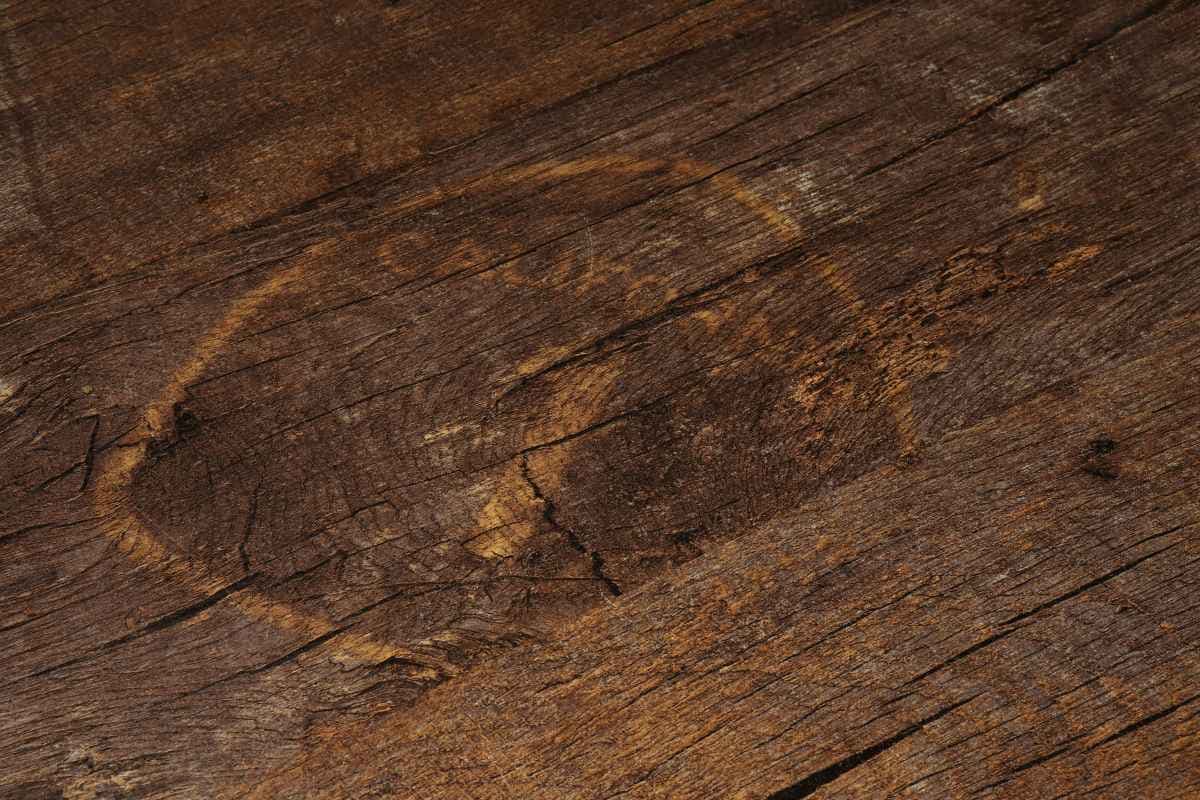
Image by Unsplash
Table of Contents
White rings and cloudy marks can make wooden furniture look worn, but careful treatment may restore the surface without stripping its protective coating. How to remove water stains from wood? It begins with identifying whether moisture is trapped in the finish or has penetrated deeper.
In this guide, let’s discover gentle household methods, suitable tools, and important precautions for lifting discoloration while protecting the wood’s color, texture, and shine.
1. Identify the Surface Before You Try a Home Remedy
Learning how to remove water stains from wood begins with identifying the material, finish, and depth of the moisture damage. Confirming the surface first helps prevent peeling, discoloration, swelling, or accidental removal of the protective coating.
Solid Wood
Solid wood can often tolerate gentle heat, mild abrasives, or oil-based treatments better than thinner materials.
However, the finish still matters because varnish, lacquer, shellac, and polyurethane respond differently to moisture and friction. Test any remedy on a hidden section first, then use minimal pressure to avoid dulling the sheen or exposing bare wood.
Wood Veneer
Wood veneer consists of a thin layer of real wood attached to another material, so excessive heat or moisture may loosen the adhesive.
Anyone researching how to remove white water stains from wood veneer should begin with the gentlest method, such as low heat through a clean cloth. Avoid soaking, aggressive scrubbing, and prolonged heating that could cause bubbling or separation.
Laminate or Faux Wood
Laminate and faux-wood furniture do not behave like natural timber because the visible pattern is usually printed or manufactured.
Strong abrasives may scratch the surface, while high heat can warp or discolor the coating. Use a lightly dampened microfiber cloth and a mild cleaner, then dry the area immediately rather than applying oil, toothpaste, or sanding methods designed for real wood.
Unfinished or Oiled Wood
Unfinished and oil-treated wood absorbs moisture more easily because they lack a thick protective barrier.
Dark marks may indicate that water has penetrated below the surface, requiring gentle sanding or refinishing rather than a simple household remedy. Work along the grain, remove as little material as possible, and reapply a compatible oil or finish after the stain is treated.
2. How to Remove Water Stains from Wood: by Severity Level
Stain color and age usually reveal how deeply moisture has affected the surface. White marks often remain within the finish, while darker or older stains may have reached the wood underneath.
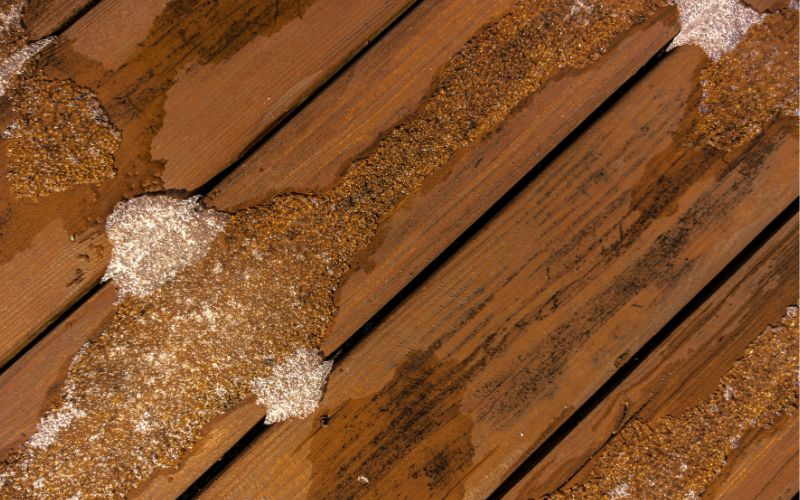
Remove water stains from wood with the right method based on the severity of the damage. (Image by Unsplash)
Light White Stains (Surface-Level Damage)
Pale rings usually form when moisture becomes trapped beneath wax, varnish, or another protective coating.
Fresh marks respond best to gentle heat or mild oil-based treatments before the moisture settles deeper.
Clean and dry the affected area with a soft microfiber cloth.
Place a clean cotton cloth over the stain.
Apply low heat from an iron for several seconds, checking frequently.
Alternatively, use a hair dryer on a low setting while moving it continuously.
Finish with furniture polish once the cloudy mark disappears.
Stop immediately if the coating softens, changes color, or becomes dull.
Deep or Old Water Stains (Penetrated Finish)
Older stains are more difficult to treat because moisture may have passed through the finish and discolored the underlying fibers.
Understanding how to remove old water stains from wood may involve cautious surface restoration rather than a simple drying method.
Clean the area and allow it to dry completely.
Test mineral spirits or a compatible wood cleaner in a hidden spot.
Lightly sand along the grain if the discoloration remains beneath the finish.
Apply an appropriate wood bleach only when suitable for the surface.
Neutralize and dry the treated area as directed.
Reapply matching stain, oil, varnish, or protective finish to restore the surface.
3. Tips for Water Stains on Different Wood Surfaces
Surface shape, finish type, and daily use all influence which treatment is safest.
Adjusting the method to the specific item helps reduce the risk of scratches, uneven color, or finish damage.
For tabletops, anyone researching how to remove water stains from wood table top should begin with a low-heat method using a clean cloth and check the finish every few seconds.
Use coasters, placemats, and felt pads after treatment to reduce repeated moisture exposure on dining tables, coffee tables, and desks.
Test every cleaner, oil, or mild abrasive underneath the furniture or in another hidden area before applying it to the visible stain.
On wood flooring, avoid soaking the area because excess liquid can enter seams, cause swelling, or damage the subfloor beneath the boards.
Work with the wood grain when wiping or sanding floors and furniture to reduce visible scratches and uneven patches.
For carved or detailed pieces, apply products with a cotton swab or soft brush so moisture does not collect inside grooves and decorative edges.
Stop treatment when the finish becomes sticky, cloudy, faded, or unusually soft, as these changes may indicate that professional restoration is safer.
4. Keep Repair Information and Professional Help Close
Furniture damage may require quick access to repair tutorials, product instructions, or advice from an experienced restorer.
Mobile connectivity helps homeowners compare treatments, contact professionals, and review safety precautions before working on delicate wood surfaces.
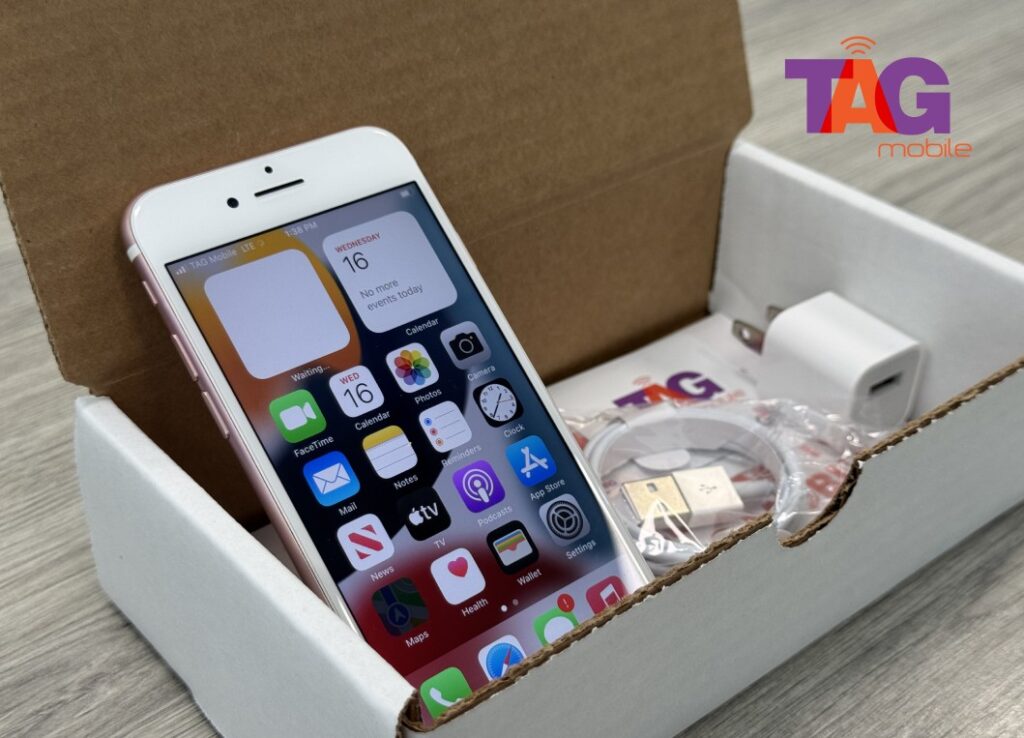
TAG Mobile is an Eligible Telecommunications Carrier participating in the Lifeline Program. Many consumers choose to apply through TAG Mobile because it offers an online enrollment process, Lifeline-supported wireless service, customer assistance, and free or discounted device options depending on location, eligibility, and availability.
Applicants may qualify for Lifeline when household income is at or below 135% of the Federal Poverty Guidelines.
Lifeline eligibility may also come through participation in programs such as SNAP, Medicaid, Supplemental Security Income, Federal Public Housing Assistance, or the Veterans Pension and Survivors Benefit.
Completing the application carefully can reduce verification delays and help applicants receive service sooner. Prepare accurate personal information and clear eligibility documents before beginning these steps:
Check Eligibility: Confirm qualification through household income or participation in an approved government assistance program.
Prepare Supporting Documents: Gather proof of identity, address, income, or program participation, such as a benefit award letter, benefits statement, tax return, or income record.
Enter Your ZIP Code: Provide your ZIP code to confirm that TAG Mobile service, plans, and device offers are available in your area.
Select a Lifeline Plan: Review the wireless service options displayed for your location and choose the most suitable available plan.
Choose an Available Device: Compare any free or discounted phones offered according to eligibility, state rules, and current inventory.
Complete the Application: Enter your full legal name, residential address, date of birth, and other requested identification details accurately.
Upload Required Proof: Submit clear copies or images of supporting documents when automatic eligibility verification cannot confirm your information.
Review and Submit: Check every application field for mistakes before sending the form for approval.
Wait for Approval: Many applications may receive a decision quickly, while cases requiring manual document verification can take several business days. Applicants can check their status through their TAG Mobile account.
After approval, TAG Mobile begins shipping the phone or SIM card.
Delivery generally takes 7-10 business days, and the package includes tracking details and instructions for activating the service.
Where can I get a free phone or tablet? TAG Mobile is the answer.
Note: Eligibility varies by state and program. Offers depend on availability and qualifications. TAG Mobile operates under the federal Lifeline Program as an Eligible Telecommunications Carrier (ETC). Service is non-transferable and limited to one service per household.
5. Questions about Wood Finishes and Water Marks
The best approach to how to remove water stains from wood depends on how deeply the moisture has penetrated the surface. These frequently asked questions cover common treatment methods, when they are most effective, and situations where additional caution is needed.
Are white water stains permanent?
White water stains are often not permanent because they usually indicate moisture trapped within the finish rather than damage to the wood itself. Gentle heat or another finish-safe method may lift the cloudiness, but results depend on the coating and how long the mark has remained.
Can heat remove moisture trapped in a wood finish?
Low, controlled heat can sometimes draw trapped moisture out of a protective finish. Use a hair dryer or an iron over a clean cloth in short intervals, checking frequently to prevent softening, discoloration, or damage to the coating.
Is mayonnaise safe for every type of wood furniture?
No, mayonnaise is not suitable for every wood surface. Its oils may help with some white rings, but they can stain unfinished wood, affect delicate finishes, or leave residue, so testing a hidden area first is essential.
Can toothpaste scratch a wood table?
Yes, toothpaste can scratch or dull a wood table because many formulas contain mild abrasives. Avoid gel and whitening products, use only a tiny amount of plain white toothpaste, and rub gently after testing an inconspicuous spot.
6. Final Thoughts
Restoring wood successfully begins with identifying the surface, stain depth, and finish before choosing any treatment. Knowing how to remove water stains from wood helps prevent scratches, discoloration, swelling, or further moisture damage.
Gentle heat may lift fresh white marks, while older stains can require careful sanding or refinishing. Testing every method first and stopping when the finish changes helps protect the furniture’s natural beauty.
Share
TAG Blog
Stories, guides, and helpful updates for staying connected.