Removing acrylics safely is less about speed and more about protecting the natural nail underneath. Knowing how to remove acrylic nails properly means softening the product first, avoiding forceful peeling, and working gently around the nail plate and cuticle area.
The right removal method can reduce breakage, thinning, and surface damage while making it easier to restore moisture and keep natural nails looking healthier afterward.
1. Check the Condition Before You Remove Acrylic Nails
Taking a moment to inspect the nails first can help you choose a safer removal method and avoid making existing damage worse. Pay attention to both the acrylic layer and the natural nail underneath before you begin filing, soaking, or lifting any product.
- Look for lifting: Check whether the acrylic has separated from the natural nail around the edges or cuticle area. Lifted sections should not be pulled or peeled because they can take layers of the natural nail with them.
- Check for cracks or breaks: Notice any splits in the acrylic or natural nail. Broken areas need extra care because pressure from filing or prying can worsen the damage.
- Watch for discoloration: Green, yellow, dark, or unusual discoloration under the acrylic may signal trapped moisture, staining, or a possible nail problem. Avoid covering it again until the cause is clear.
- Notice pain or tenderness: Soreness, throbbing, swelling, or sensitivity can indicate irritation or injury. Stop home removal if the nail feels unusually painful.
- Inspect the surrounding skin: Cuts, redness, swelling, or irritation around the cuticle can make acetone and filing more uncomfortable. Let damaged skin recover when possible before starting removal.
- Assess acrylic thickness: Very thick extensions may need careful shortening and surface filing before soaking so the remover can penetrate the product more effectively.
>>>Also read: How to Fix Frizzy Hair: Simple Solutions That Really Work
2. How to Remove Acrylic Nails at Home
Home removal should prioritize patience and protecting the natural nail rather than trying to lift acrylics off quickly. Softening the product gradually and avoiding force can reduce peeling, thinning, and unnecessary surface damage.
How to Remove Acrylic Nails Without Acetone
Non-acetone removal is usually slower because acrylic is designed to resist ordinary polish removers. When learning how to safely remove acrylic nails, the safest approach is to shorten and soften the enhancement gradually rather than prying it away from the natural nail.
- Trim the acrylic length carefully with nail clippers if the extensions are long.
- File down the top layer and reduce as much bulk as possible without reaching the natural nail.
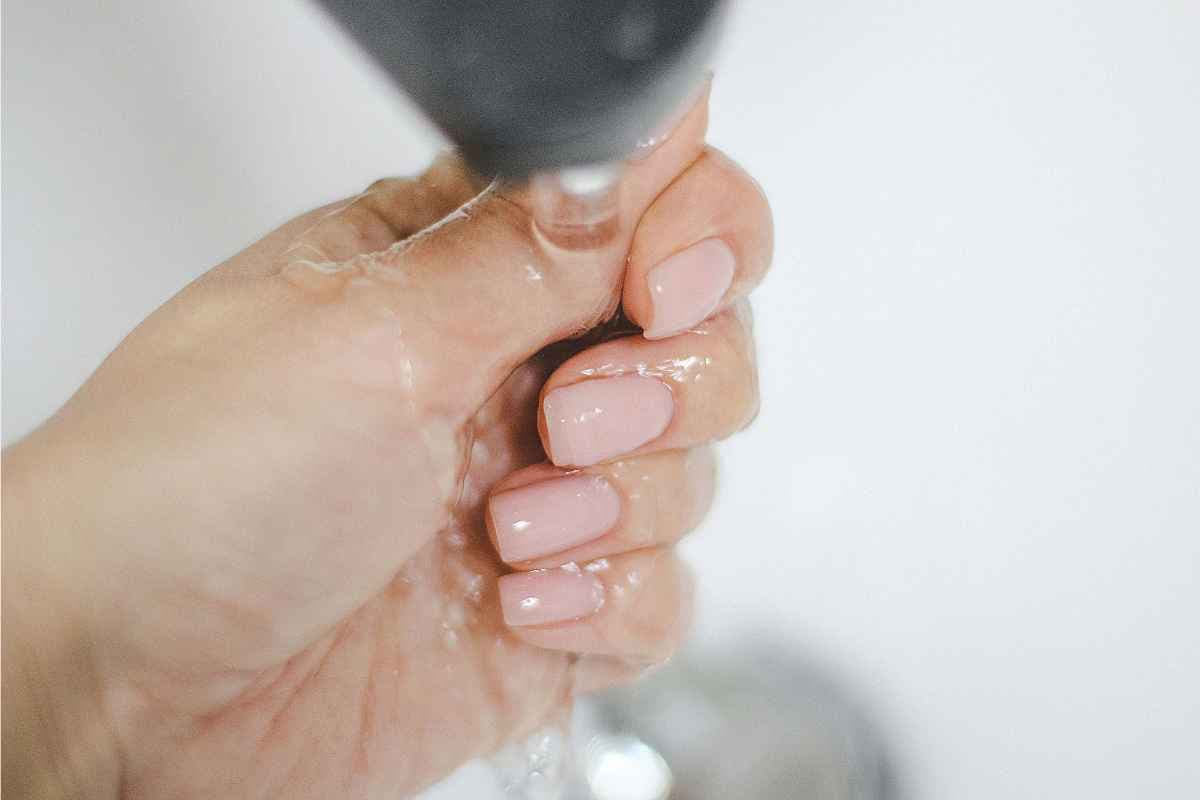
- Soak the nails in warm, soapy water for 20 to 30 minutes to soften any lifted edges.
- Apply cuticle oil around the nail and gently test whether the loosened acrylic moves.
- Repeat soaking and filing as needed instead of forcing resistant areas.
- Stop if you feel pain or the natural nail begins to bend or peel.
How to Remove Acrylic Nails at Home Without Tools
Removing acrylics without proper tools is limited, so the goal should be softening and reducing stress rather than attempting a complete removal by force. If the product remains firmly attached, waiting or having it professionally removed is safer than peeling it off.
- Soak your fingertips in warm, soapy water for 20 to 30 minutes.
- Massage cuticle oil around the edges to help soften the surrounding area.
- Gently press on any naturally lifted sections to see whether they loosen without resistance.
- Repeat the soak if the acrylic remains attached.
- Never use cards, dental floss, or other objects to pry underneath the enhancement.
- Leave firmly bonded acrylic in place until you can remove it properly with suitable supplies or professional help.
3. Common Acrylic Nail Removal Mistakes
Careless removal can leave natural nails thinner, rougher, or more sensitive than they were before the acrylics were applied. Avoiding a few common mistakes can make the process gentler and reduce unnecessary damage.
Peeling Off Acrylics
Peeling or prying acrylics away can strip layers from the natural nail plate along with the enhancement. When learning how to remove acrylic nails, soften the product first and never force sections that remain firmly attached.
Filing Too Deep
Filing helps reduce acrylic thickness, but excessive pressure can reach the natural nail and cause thinning, soreness, or sensitivity. Stop once most of the product is removed and avoid trying to create a perfectly smooth surface by filing aggressively.