How to Make Cold Brew Concentrate That Stays Smooth and Versatile
How to make cold brew concentrate? Balanced flavor begins with selecting coarse coffee grounds, clean water, and a suitable brewing ratio. It also requires careful steeping, thorou...
Quincy D.-Aug 10, 2026
Image by Unsplash
Table of Contents
How to make cold brew concentrate? Balanced flavor begins with selecting coarse coffee grounds, clean water, and a suitable brewing ratio.
It also requires careful steeping, thorough filtering, and proper refrigeration to avoid excessive bitterness or sediment. Once prepared, the concentrate can be diluted with water or milk, served over ice, or adapted for flavored drinks, making it a practical base for several coffee recipes.
1. How to Make Cold Brew Concentrate at Home That Fits Your Taste
Creating a smooth concentrate requires more than simply combining coffee grounds and water. Adjusting each brewing element carefully helps control strength, bitterness, clarity, and the final flavor once the concentrate is diluted.
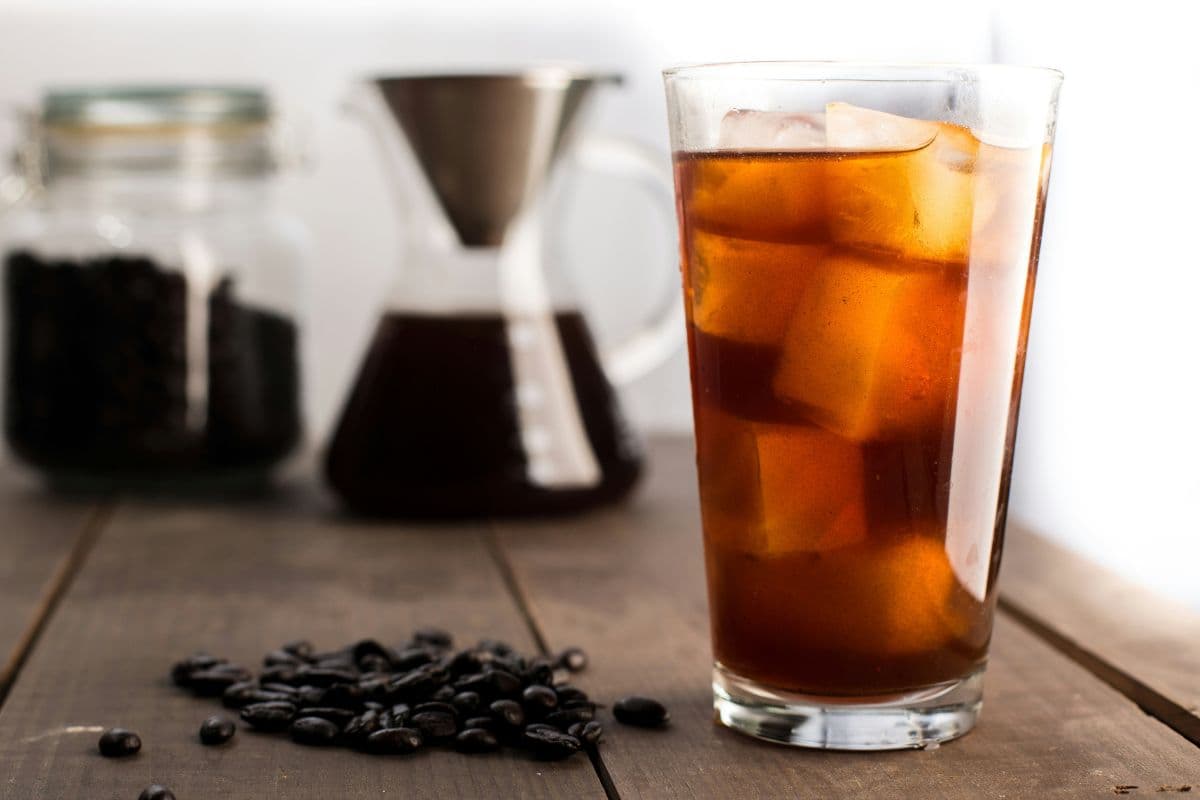
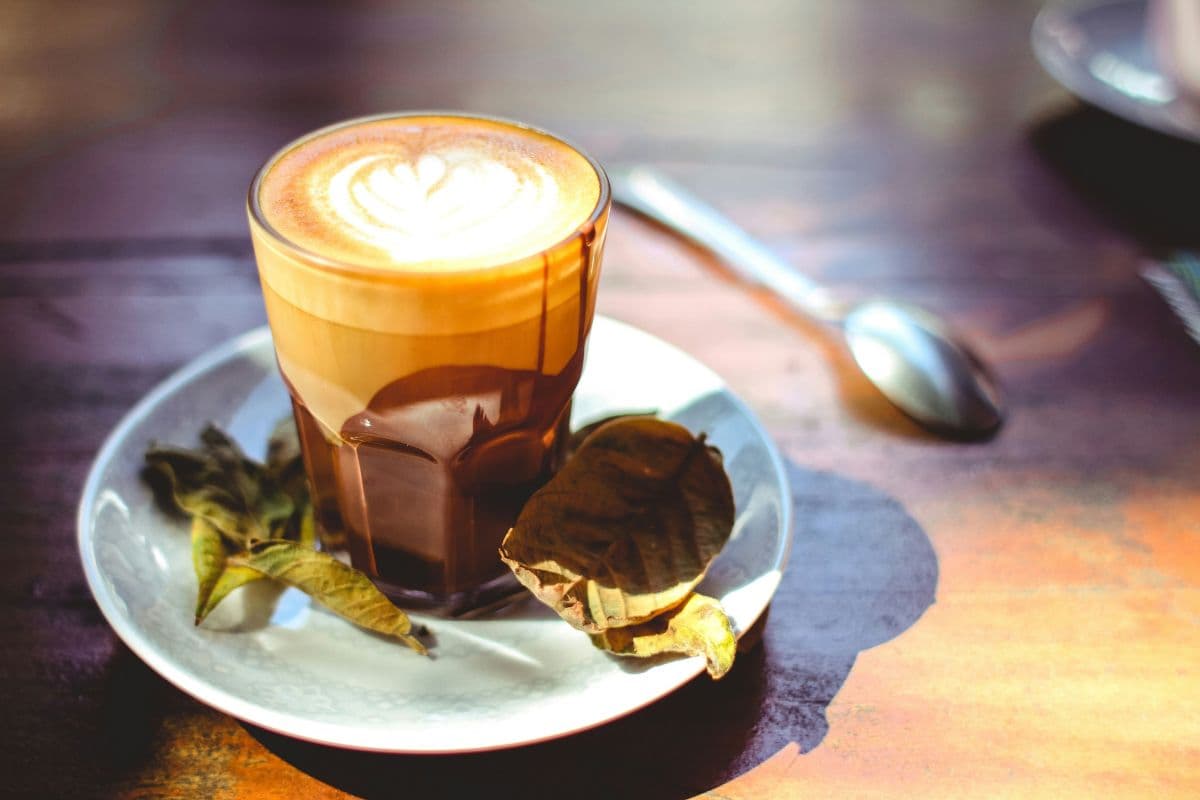
Make cold brew concentrate at home and adjust the strength to match your personal taste. (Image by Unsplash)
Coffee-to-Water Ratio
Begin with about one part coffee to four parts water by weight for a strong concentrate, then adjust future batches to suit your preference.
Anyone learning how to make cold brew concentrate can use slightly more water for a lighter base or more coffee for greater intensity. Measure consistently so each batch delivers a predictable result.
Grind Size
Coarsely ground coffee allows slow, even extraction and makes filtering easier.
Grounds that are too fine may release bitter flavors and create cloudy sediment, while extremely coarse grounds can produce a weak concentrate. Aim for a texture similar to coarse sea salt and avoid grinding too far in advance, since fresher grounds usually provide better aroma.
Steeping Time
Let the mixture steep for approximately 12 to 18 hours, depending on the coffee, temperature, and desired strength.
Shorter brewing may leave the concentrate thin or underdeveloped, while excessive steeping can introduce woody or bitter notes. Taste near the end of the brewing window and record the timing that produces your preferred balance.
Water Quality
Since water forms most of the brew, its flavor directly affects the finished concentrate.
Use clean, filtered water without strong chlorine tastes or unpleasant odors. Extremely hard or overly softened water may also change extraction, so choose water that tastes pleasant on its own and use the same source consistently for more reliable results.
Filtering Thoroughly
Strain the brew first through a fine-mesh sieve to remove large grounds, then filter it again through a paper filter, clean cloth, or coffee filter for greater clarity.
Avoid pressing or squeezing the grounds because this can force fine particles and bitter compounds into the liquid. Careful filtering produces a smoother concentrate with less sediment.
2. Small Brewing Mistakes Have Big Flavor Consequences
Minor errors during preparation can make cold brew taste bitter, weak, cloudy, or unbalanced. Paying attention to measurements, steeping conditions, and filtering helps create a smoother concentrate with more consistent flavor.
Guessing the Coffee Ratio
Estimating ingredients instead of measuring them often leads to unpredictable strength. Research from the University of Guelph has examined the brewing ratio as one of the key variables affecting the physicochemical characteristics of immersion cold-brewed coffee.
Too much coffee can create an overpowering concentrate, while too much water produces a thin result. Anyone learning how to make cold brew coffee concentrate should weigh both ingredients and record the ratio used for future batches.
Using Grounds That Are Too Fine
Fine coffee grounds extract quickly and may release harsh or bitter flavors during a long steep. They can also pass through filters and leave gritty sediment in the concentrate. Choose a coarse, even grind to support slower extraction and make the final liquid cleaner and easier to strain.
Steeping Far Too Long
Leaving coffee in contact with water beyond the useful brewing window does not always create a better concentrate.
Excessive steeping may introduce dry, woody, or bitter notes that become more noticeable after dilution. Strain the mixture once the desired strength and flavor have developed.
Stirring or Squeezing Too Aggressively
Heavy stirring can break the grounds into smaller particles, while squeezing them during filtering may push sediment and bitter compounds into the liquid.
Gently wet the grounds at the beginning, then allow them to steep undisturbed before filtering carefully without pressing.
Storing the Concentrate Incorrectly
Warm temperatures, loose lids, and prolonged air exposure can weaken aroma and make the concentrate taste stale.
Transfer the filtered coffee to a clean, airtight container and refrigerate it promptly. Labeling the preparation date also helps ensure it is used while the flavor remains fresh.
3. Frequently Asked Questions About Brewing Concentrate
When exploring how to make cold brew concentrate, small decisions about coffee ratio, steeping time, and storage can noticeably change the final result. These answers address common questions to help you create a concentrate that is smooth, balanced, easy to adjust, and ready for different serving styles.
How long should concentrate steep?
Cold brew concentrate usually needs about 12 to 18 hours of steeping. Shorter times may create a weak flavor, while leaving it too long can produce woody or bitter notes.
Can you drink concentrate without dilution?
Yes, but undiluted concentrate may taste very strong and contain more caffeine per serving. Most people mix it with water, milk, or ice to create a smoother and more balanced drink.
What’s the best coffee ratio for concentrate?
A common starting point is 1 part coffee to 4 parts water by weight. The ratio can be adjusted slightly depending on the roast, desired strength, and how much the concentrate will be diluted before serving.
How long does homemade concentrate last?
Homemade cold brew concentrate generally keeps well for about one to two weeks when stored in a clean, airtight container in the refrigerator. Its flavor may gradually become flatter or more stale, so earlier use usually gives better results.
Can you freeze cold brew concentrate?
Yes, concentrate can be frozen in small containers or ice cube trays for later use. Leave some space for expansion and thaw only the amount needed, since repeated freezing and thawing may reduce flavor quality.
4. Final Thoughts
Mastering how to make cold brew concentrate depends on using the right coffee ratio, coarse grounds, clean water, controlled steeping, and careful filtering. Small adjustments can make the final drink smoother, stronger, or lighter according to personal taste. Once refrigerated properly, the concentrate becomes a versatile base for iced coffee, milk-based drinks, flavored recipes, or quick daily servings at home.