How to Keep Avocados From Browning After Cutting Them
Cut avocados darken when their exposed flesh reacts with oxygen, but careful storage can slow that process and preserve color. If you want to know how to keep avocados from brownin...
Quincy D.-Aug 10, 2026
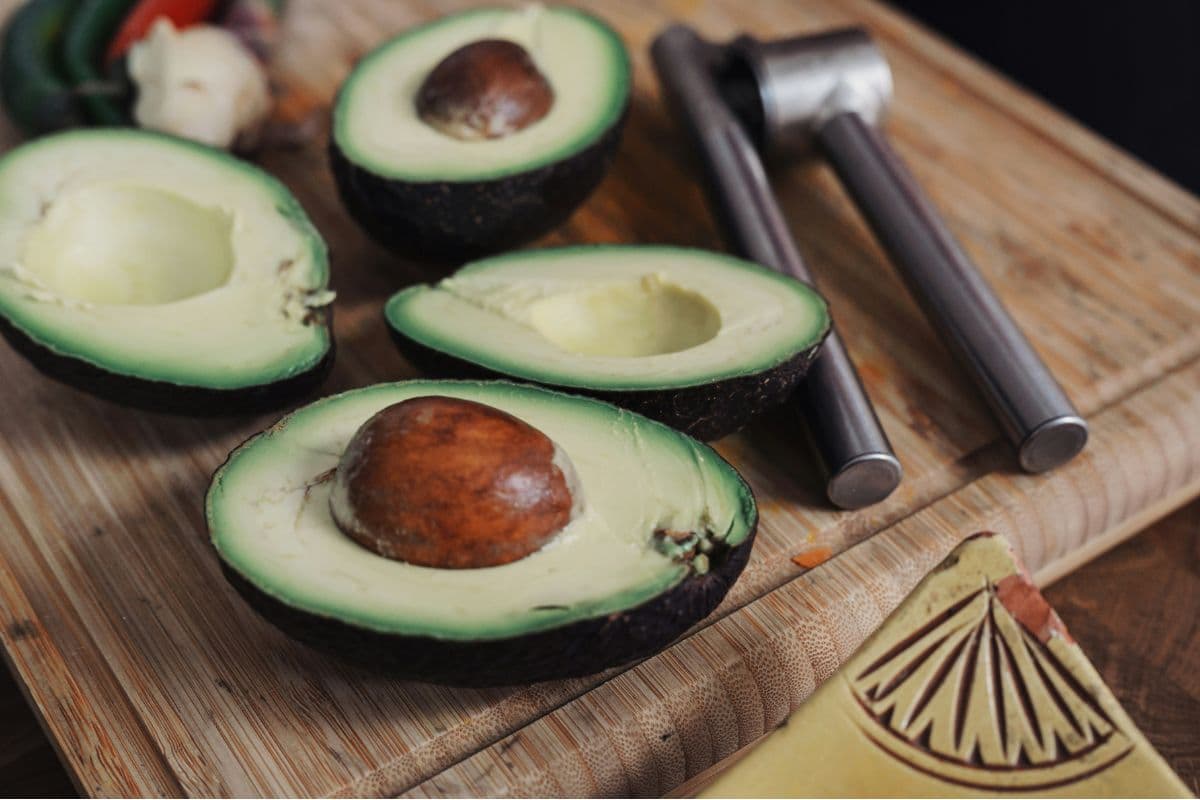
Image by Unsplash
Table of Contents
Cut avocados darken when their exposed flesh reacts with oxygen, but careful storage can slow that process and preserve color. If you want to know how to keep avocados from browning, it involves limiting air contact, adding mild acidity, and refrigerating them promptly.
Check our guide to compare practical methods for avocado halves, slices, and guacamole, helping you choose the right approach without changing texture, adding excess moisture, or relying on ineffective storage tricks.
1. Why Does Cutting Activate Browning in Avocados?
Once the flesh is exposed, natural compounds inside the avocado begin reacting with oxygen. The speed of discoloration depends on how much surface area is uncovered, how the fruit is stored, and how quickly it is refrigerated.
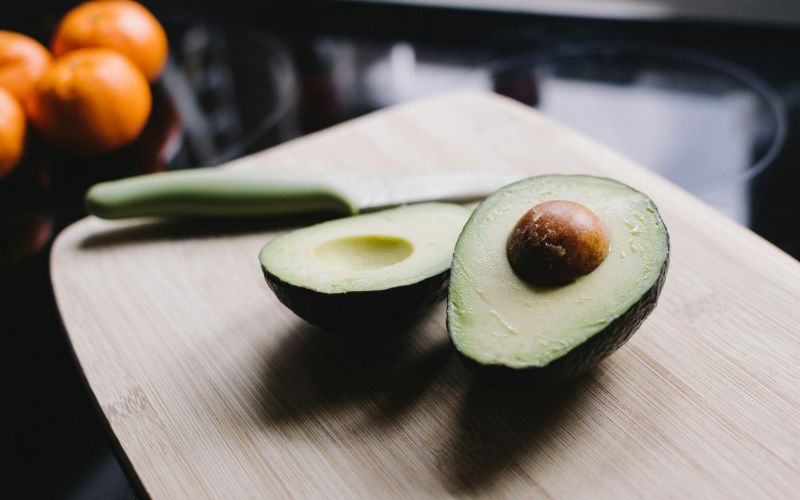
Discover why avocados turn brown after cutting and how to slow the process. (Image by Unsplash)
Oxygen Reaches the Exposed Flesh
Cutting breaks open the avocado’s cells and exposes enzymes and natural compounds to air.
This contact triggers oxidation, which gradually changes the bright green surface to brown. Covering the flesh tightly or placing it in an airtight container helps reduce the amount of oxygen reaching the cut area.
Natural Enzymes Trigger Discoloration
Polyphenol oxidase is the main enzyme involved in avocado browning.
Once cutting damages the cells, the enzyme reacts with oxygen and naturally occurring phenolic compounds, creating darker pigments. Cooling the avocado slows this activity, while acidic ingredients such as lemon or lime juice can reduce the reaction further.
Sliced Avocados Need More Protection Than Halves
Slices expose more flesh to oxygen than a single avocado half, so they usually brown faster.
Each cut surface creates another area where oxidation can begin. Arrange slices closely, add a light acidic coating, and seal them with minimal trapped air to preserve their color more effectively.
Warm Temperatures Speed Up Browning
Heat increases the rate of many chemical reactions, including oxidation. Leaving cut avocado on a warm counter can therefore cause discoloration more quickly than storing it in the refrigerator. Prompt chilling slows enzyme activity and also helps protect the fruit’s texture and freshness after cutting.
Loose Storage Allows Continuous Airflow
A loosely covered plate or poorly sealed container leaves the avocado exposed to a steady supply of oxygen.
Plastic wrap pressed directly against the flesh, a tight lid, or another low-air storage method creates a stronger barrier. Reducing empty space inside the container can also help slow visible browning.
2. How to Keep Avocados From Browning
Preserving the green color of cut avocado requires limiting oxygen, adding mild acidity, and keeping the fruit cold.
These steps explain how to keep cut avocados from browning without making them watery or changing their texture too much.
Choose the right method: Keep halves intact when possible because they expose less surface area than slices or mashed avocado.
Add lemon or lime juice: Brush a thin layer over the exposed flesh to slow oxidation with natural acidity.
Press wrap against the surface: Place plastic wrap directly on the avocado so fewer air pockets remain between the fruit and covering.
Use an airtight container: Transfer the avocado to a small container with a tight lid to reduce continuous airflow.
Refrigerate promptly: Store cut avocado in the refrigerator as soon as possible because cooler temperatures slow enzyme activity.
Keep the pit when practical: Leaving the pit in half protects only the area beneath it, so cover the remaining exposed flesh carefully.
Check before serving: Remove any thin brown surface layer if needed, then inspect the smell and texture before eating.
Small storage errors can expose cut avocado to more oxygen, warmth, and moisture than necessary. Avoiding these habits helps preserve its color, texture, and fresh taste for longer.
Leaving the Flesh Uncovered
Exposed avocado reacts quickly with oxygen, which causes the surface to darken.
According to the Harvard T.H. Chan School of Public Health, avocado flesh undergoes enzymatic browning when exposed to air, and tightly wrapping or sealing cut avocado can reduce oxygen exposure and slow discoloration.
Using Too Much Citrus Juice
Lemon or lime juice can slow browning, but adding too much may make the avocado watery, sour, or overly soft. Anyone learning how to keep avocados from browning should apply only a light coating across the exposed surface instead of soaking the fruit.
Storing It at Room Temperature
A cut avocado browns faster when left on the counter because warm temperatures speed up enzyme activity.
Refrigerate it promptly after cutting, especially if it will not be eaten immediately. Cooler storage helps preserve color and texture while reducing the risk of spoilage.
Relying Only on the Pit
Keeping the pit in place protects only the small area directly underneath it. The rest of the exposed flesh can still brown quickly. Cover the entire surface carefully and reduce trapped air rather than depending on the pit as the main preservation method.
Using a Container With Too Much Empty Space
Large containers hold more air around the avocado, allowing oxidation to continue even when the lid is closed.
Choose a container that fits the fruit closely, or press wrap directly against the surface before sealing. Less empty space usually means slower discoloration.
4. Main Concerns about Keeping Avocados Green
Storage choices can influence avocado flavor, texture, and browning speed in several ways. The answers below clarify which methods work best for halves, slices, and longer-term preservation.
Common questions regarding keeping avocados fresh. (Image by Unsplash)
Is lemon or lime juice better for avocado?
Both lemon and lime juice can slow oxidation because their acidity reduces browning on exposed flesh. Lime often pairs more naturally with avocado dishes, while lemon provides a slightly brighter flavor, so the better choice depends on the recipe.
How do you store half an avocado overnight?
Lightly coat the cut surface with citrus juice, press plastic wrap directly against the flesh, and place the half in a small airtight container. Anyone learning how to keep avocados from browning should refrigerate them promptly and use them within a short period for the best texture and color.
Can oil keep cut avocado green?
Yes, a thin layer of neutral oil can create a barrier that limits contact with oxygen. Use only a small amount, since excess oil may change the texture, add unwanted flavor, or make the surface feel greasy.
Can you freeze cut avocado?
Yes, cut avocado can be frozen, especially when mashed or blended with a little lemon or lime juice. Freezing may soften the texture after thawing, so it works better for guacamole, smoothies, sauces, or spreads than for fresh slices.
5. Final Thoughts
Keeping avocados green after cutting depends on limiting oxygen, adding mild acidity, and refrigerating them promptly.
Knowing how to keep avocados from browning helps preserve their fresh color, creamy texture, and mild flavor. Tight wrapping, small airtight containers, and light citrus or oil coatings can slow discoloration and reduce food waste without making the fruit watery or unpleasantly sour overall.
Want more practical instructions? You can always check on TAG Mobile for the latest news covering daily tips, government support, technology, and more!
Share
TAG Blog
Stories, guides, and helpful updates for staying connected.