How to Heal a Sprained Ankle Overnight: What to Do Before Morning
An ankle sprain can turn a normal evening into hours of throbbing pain, swelling, and uncertainty about the next morning. Searching how to heal a sprained ankle overnight often ref...
Quincy D.-Sep 30, 2026
Image by Unsplash
Table of Contents
An ankle sprain can turn a normal evening into hours of throbbing pain, swelling, and uncertainty about the next morning. Searching how to heal a sprained ankle overnight often reflects a need for immediate relief, but safe care should prioritize protecting the joint and recognizing warning signs.
This guide explains practical nighttime measures that may control symptoms, support early recovery, and help determine when professional evaluation is necessary.
1. Can a Sprained Ankle Really Heal Overnight?
No, ligament damage cannot repair completely in a single night. Prompt protection, cold therapy, elevation, and appropriate symptom management may noticeably reduce pain and swelling by morning while creating better conditions for gradual healing afterward.
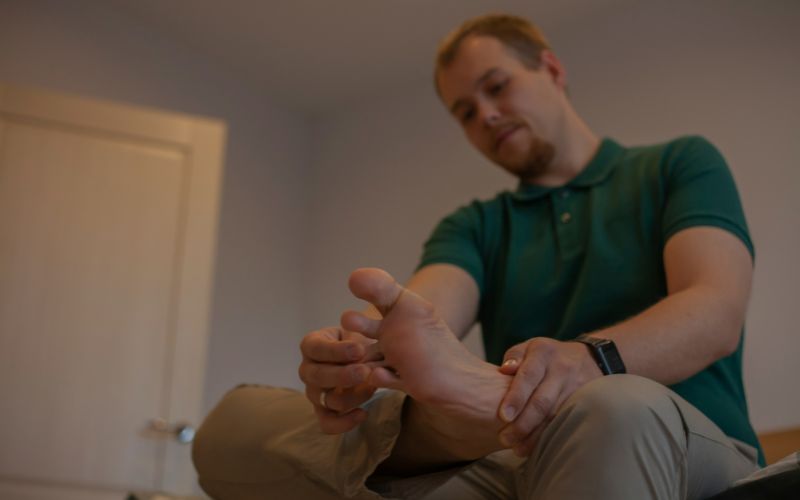
A sprained ankle cannot heal overnight, but early care may help reduce pain and swelling. (Image by Unsplash)
2. How to Heal a Sprained Ankle Overnight?
Overnight care should calm symptoms and prevent further injury instead of promising instant ligament repair. Following how to heal a sprained ankle overnight safely means protecting the joint, controlling swelling, and allowing uninterrupted recovery.
Stop the Activity and Protect the Ankle
Stop the activity that caused the injury and avoid repeatedly testing the ankle through painful walking, running, or exercise. During the early stage, protect the joint from further injury and limit weight-bearing if it causes significant pain.
Protect the joint with supportive footwear, a properly fitted brace, or crutches when weight-bearing is painful. Seek prompt medical assessment if you notice deformity, numbness, rapidly increasing swelling, worsening pain, or an inability to take several steps safely.
Use Cold Therapy for Short-Term Pain and Swelling Control
Place ice cubes, a cold pack, or frozen vegetables inside a thin towel before applying it to the injured ankle. Keep the compress in place for 15-20 minutes to ease pain and temporarily control swelling.
Repeat the treatment every two to three hours while awake, allowing the skin to return to its normal temperature between sessions. Never apply ice directly to bare skin, exceed the recommended duration, or fall asleep with a cold pack attached.
Add Gentle Compression
Apply an elastic bandage snugly rather than tightly if compression feels supportive or helps manage swelling. Check the toes for normal color and sensation, and loosen or remove the wrap if you develop numbness, tingling, discoloration, or increasing pain. Remove a standard compression wrap before sleeping unless a healthcare professional has specifically instructed otherwise.
Check circulation regularly by observing the toes for normal color, warmth, and sensation. Loosen or remove the bandage immediately if numbness, tingling, coldness, discoloration, or increased pain develops, and avoid wearing a standard compression wrap during sleep unless medically advised.
Elevate the Ankle
Position the injured ankle on several firm pillows, so it rests comfortably above heart level. Proper elevation uses gravity to encourage excess fluid to move away from the damaged tissues, which may lessen pressure, swelling, and throbbing overnight.
Support the calf and lower leg rather than placing all the pressure directly beneath the painful joint. Keep the knee slightly relaxed, avoid awkward twisting, and adjust the pillows if the position causes numbness, back discomfort, or disturbed sleep.
Manage Pain Appropriately
Consider an over-the-counter pain reliever only after confirming that it is suitable for your health conditions, current medications, and age. Follow the package dosage carefully, and never combine products containing the same active ingredient.
Speak with a pharmacist or healthcare professional if you have kidney disease, liver disease, stomach ulcers, bleeding problems, allergies, pregnancy, or other medical concerns. Medication may reduce discomfort, but it should not be used to mask pain so you can resume activity prematurely.
Give the Ankle a Quiet Night
Limit unnecessary walking and create a comfortable resting area before settling down. Keep water, medication, a phone, and other essentials within reach so you do not repeatedly stand or place avoidable pressure on the injured ankle.
Avoid hot baths, heating pads, alcohol, vigorous massage, and forceful stretching during the early injury stage because they may aggravate swelling or discomfort. Resume gentle movement gradually when pain allows, but stop if symptoms noticeably worsen.
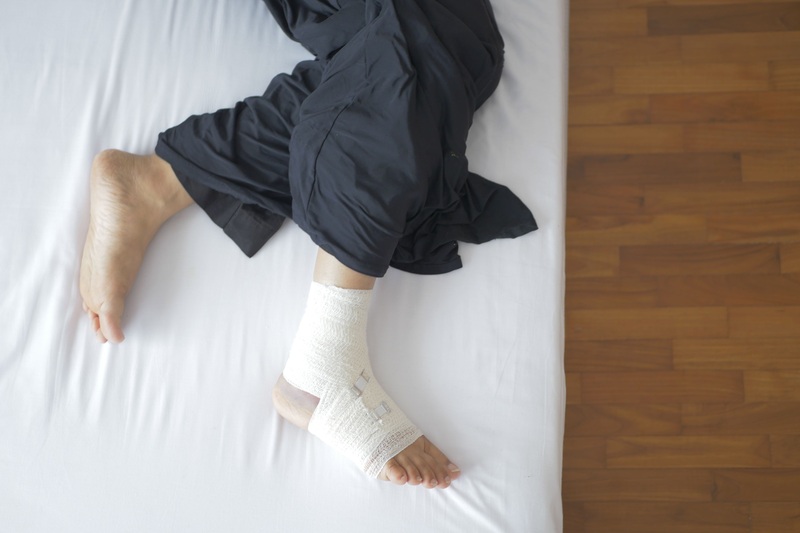
Overnight care should calm symptoms and prevent further injury instead of promising instant ligament repair. (Image by Pexels)
3. Ice, Heat, or Both? What Should You Use Tonight?
Temperature therapy should match the injury stage, since fresh swelling and later stiffness require different approaches. Anyone researching how to heal a sprained ankle fast overnight should prioritize safe symptom control rather than continuous exposure to ice or heat.
Option
Best Use
How to Use It Tonight
Important Precautions
Ice
Fresh sprains with swelling, throbbing, tenderness, or warmth
Apply a wrapped cold pack for 15-20 minutes every two to three hours while awake.
Never place ice directly on the skin or leave it attached while sleeping.
Heat
Later-stage stiffness after swelling and warmth have largely resolved.
Avoid heat during the first night of a newly sprained ankle; consider gentle warmth later only when appropriate.
Early heat may increase blood flow, swelling, and discomfort.
Both
Later recovery, when alternating warmth and cold has been recommended.
Contrast therapy is generally unnecessary during the first night of an acute injury.
Consult a clinician before alternating treatments, especially with circulation problems or reduced sensation
Comfortable positioning, safe compression, and realistic recovery expectations can make the first night easier. These answers address common concerns about how to heal a sprained ankle overnight without creating additional pressure, swelling, or circulation problems.
Should I Wrap a Sprained Ankle Overnight?
Elastic compression can support the ankle during waking hours, but sleeping in a standard wrap is not routinely recommended unless a healthcare professional advises it. Swelling may change overnight, allowing the bandage to become too tight and restrict circulation.
How Should I Sleep With a Sprained Ankle?
Sleep on your back or in another comfortable position with the lower leg supported on pillows above heart level. Keep pressure away from the injured joint, and never fall asleep with an ice pack, heating pad, or excessively tight compression wrap attached.
How Long Does a Mild Ankle Sprain Take to Heal?
Mild ankle sprains often improve within several days and may heal sufficiently for normal activities in approximately one to three weeks. Recovery varies, so resume exercise only when walking, movement, strength, and balance return without meaningful pain or swelling.
Final Thoughts
Real progress with how to heal a sprained ankle overnight means reducing pain and swelling while protecting the injured ligaments, not expecting complete recovery by morning. Use brief cold therapy, comfortable elevation, and cautious daytime compression during the early stage.
TAG Mobile can help eligible households stay connected when contacting healthcare providers or arranging support. Seek medical care promptly if severe pain, deformity, numbness, or inability to bear weight occurs.
Share
TAG Blog
Stories, guides, and helpful updates for staying connected.