How Much Weight Can You Lose in a Month? A Realistic Look for Healthy Weight Loss
Weight loss rarely follows the same timeline from one person to another, and the first few weeks can be especially unpredictable. So, how much weight can you lose in a month withou...
Quincy D.-Aug 31, 2026
Image by Unsplash
Table of Contents
Weight loss rarely follows the same timeline from one person to another, and the first few weeks can be especially unpredictable. So, how much weight can you lose in a month without setting unrealistic expectations?
Starting weight, eating habits, physical activity, sleep, medications, and shifts in body water can all influence the number on the scale. Rather than chasing rapid changes, it is more useful to focus on steady progress that can continue beyond the first month.
1. How Much Weight Can You Lose in a Month?
For many adults, a commonly recommended pace is about 1 to 2 pounds per week, which works out to roughly 4 to 8 pounds over four weeks. This gradual approach is generally considered more sustainable than trying to lose a large amount of weight quickly. However, there is no single amount that everyone should expect to lose in a month.
Your results can vary based on starting weight, calorie intake, activity level, age, medications, medical conditions, sleep, and other factors. Someone with a higher starting weight may lose weight more quickly at first, while another person may see smaller changes even with consistent habits. Water retention, sodium intake, hormones, and changes in digestion can also cause the scale to move up or down from week to week.
It is also worth looking beyond the number on the scale. Changes in waist measurements, how your clothes fit, energy levels, and overall fitness can provide useful signs of progress. Rather than setting an aggressive monthly target, focus on habits you can maintain consistently.
2. What Happens to Your Body During the First Month?
The first month rarely follows one perfectly straight line. When evaluating how much weight can you lose in a month, it helps to separate early water changes from the slower fat loss that may become more noticeable as the weeks continue.
Stage 1: Faster Changes During the First Few Weeks
Early weight loss can look surprisingly quick, particularly after reducing calories or carbohydrates. Part of that drop may come from glycogen depletion and the water stored with it rather than body fat alone. This explains why the scale can move sharply at first and then slow down later.
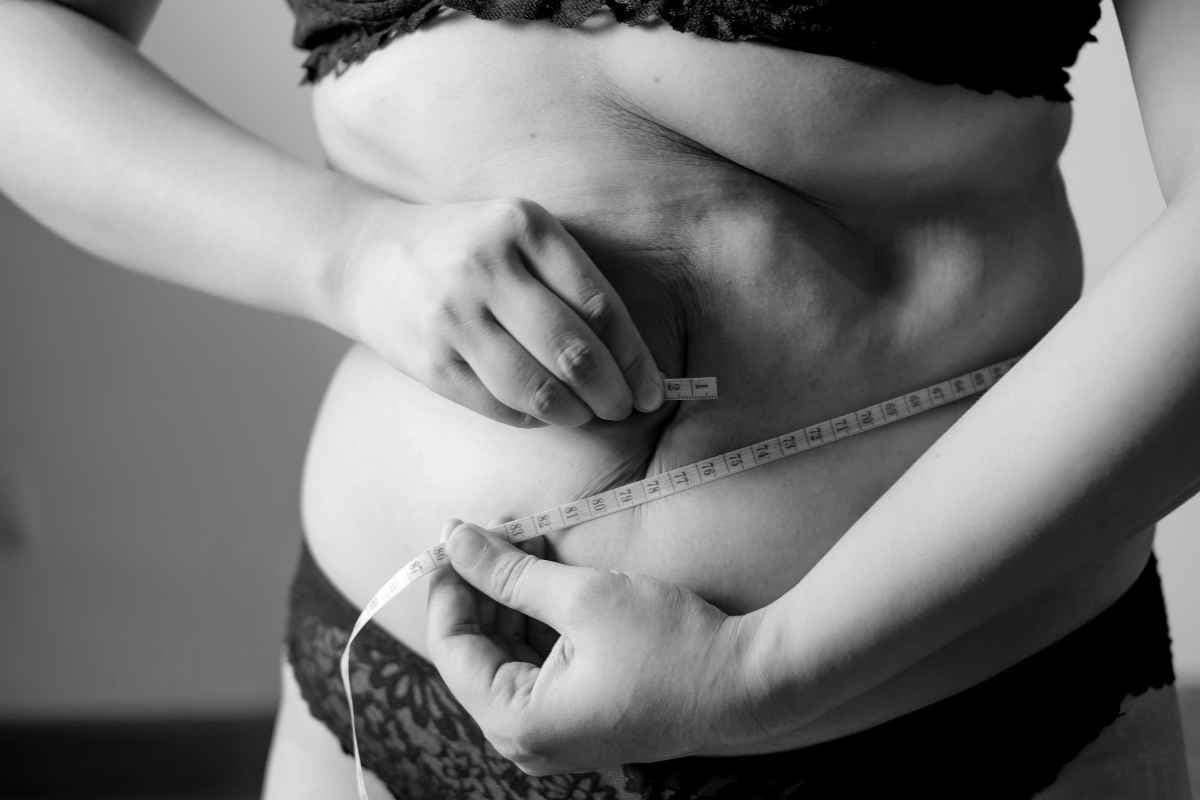
Early weight changes often include water loss, while fat loss typically happens more gradually. (Image by Unsplash)
Stage 2: Fat Loss Becomes a Larger Part of Progress
After the early phase, weight loss commonly settles into a slower pattern. During this stage, a greater share of the change may come from body fat, provided you maintain an appropriate calorie deficit. Daily scale readings can still fluctuate because hydration, food intake, and digestion change from day to day.
Stage 3: Your Rate May Begin to Level Out
Toward the end of the month, progress may feel less dramatic than it did during the first week. Your body is no longer shedding the same amount of initial water, and normal fluctuations can temporarily hide fat loss. Consistent habits and longer-term trends become more useful than expecting the scale to fall every day.
3. Can You Lose Weight Faster at a Higher Starting Weight?
Yes, people with a higher starting body weight can sometimes lose more pounds early in the process. Larger bodies generally require more energy for basic functions and daily movement, so a similar percentage calorie deficit may translate into a larger absolute change on the scale.
That does not mean faster is always better, though. Early losses may also include substantial water weight, and sustainable progress still matters more than a dramatic short-term number.
People with a higher starting body weight can sometimes lose more pounds early in the process. (Image by Pexels)
4. How to Tell Whether Your Monthly Weight Loss Is Working
Scale weight is useful, but it is only one way to evaluate progress. Instead of judging how much weight can you lose in a month from a single weigh-in, combine several measurements to see whether your habits are producing meaningful changes over time.
Track Your Weekly Average Weight
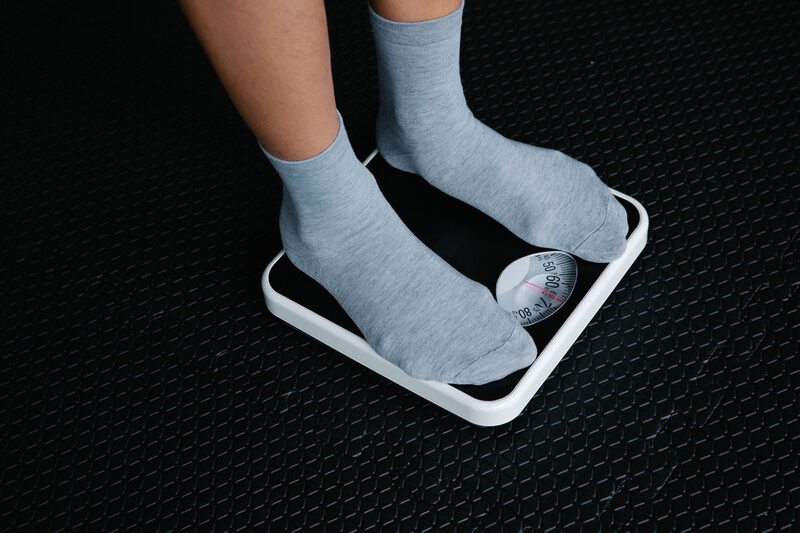
Daily weight can rise or fall because of water, sodium, hormones, digestion, and meal timing. Weighing under similar conditions and comparing weekly averages can give you a clearer trend than focusing on one unusually high or low reading.
Measure Your Waist
Waist circumference can change even during weeks when the scale barely moves. Measure at the same location and under similar conditions every few weeks, then compare the numbers over time rather than expecting noticeable differences from one day to the next.
Watch How Your Clothes Fit
Jeans, belts, shirts, and fitted clothing can reveal changes that a scale misses. If clothes gradually feel looser around the waist, hips, or thighs, your body composition may be changing even when water fluctuations temporarily hide progress on the scale.
Track Strength, Energy, and Fitness
Better stamina, stronger workouts, improved mobility, and steadier energy can all indicate useful progress beyond weight alone. These signs are especially valuable if you are exercising regularly, since gaining or maintaining muscle can affect how quickly scale weight changes.
Take Progress Photos Consistently
Photos can reveal gradual physical changes that are easy to miss when you see yourself every day. Take pictures every few weeks using similar lighting, clothing, and poses, then organize them by date in a free app such as Google Photos.
If you need an affordable phone for taking photos and accessing tracking apps, eligible customers can also explore free or discounted smartphone options through TAG Mobile’s Lifeline-supported service.
5. FAQs about Monthly Weight Loss
Month-to-month results can differ because body weight is influenced by calorie intake, activity, starting weight, water balance, medications, and other health factors. Looking at these common questions can help set more realistic expectations and keep progress focused on sustainable habits.
Is losing 5 pounds in a month a good goal?
CDC research recommends gradual, steady weight loss of about 1 to 2 pounds per week, making 5 pounds over roughly a month consistent with that general range for many adults. Whether that target is appropriate for you depends on your starting weight, overall health, and the approach you are using.
Should I weigh myself every day while losing weight?
Daily weighing can be useful if you focus on trends rather than individual numbers. Body weight naturally changes from hydration, sodium, digestion, and hormonal shifts, so weekly averages often provide a clearer picture of progress.
Can you lose weight while building muscle?
Yes, especially if you are new to resistance training, returning after a break, or have a higher body-fat percentage. Since muscle gain can offset some fat loss on the scale, waist measurements, strength gains, and progress photos can provide valuable additional feedback.
How much weight can you lose in a month with Ozempic?
There is no fixed amount because individual responses to Ozempic vary, particularly during the first month when treatment typically starts at a low dose. Ozempic is a prescription medication approved for specific uses in type 2 diabetes, so weight changes and treatment decisions should be discussed with a healthcare professional.
Is it possible to lose 5 kg in a month?
Losing 5 kg, or about 11 pounds, in one month is possible for some people, particularly when starting at a higher weight or experiencing significant early water loss. However, that pace is faster than the commonly recommended gradual rate for many adults and should not be treated as a standard goal.
Can a person lose 20 pounds in a month?
It can happen in certain circumstances, especially with very high starting weights, substantial water loss, illness, or medically supervised treatment, but it is not a typical goal for most people. Losing 20 pounds in one month is far faster than the general 1-to-2-pound-per-week guidance and warrants medical input rather than aggressive self-directed restriction.
Final Thoughts
The scale does not need to drop dramatically for a month to count as meaningful progress. When considering how much weight can you lose in a month, roughly 4 to 8 pounds is often used as a general reference for gradual weight loss, though results vary from person to person.
Look beyond a single weigh-in, build habits you can maintain, and consider professional guidance when setting a target that fits your individual needs.
Share
TAG Blog
Stories, guides, and helpful updates for staying connected.