Pull-ups reveal how grip, shoulder control, back strength, and core stability work together against body weight. Mastering how to do a pull up begins long before the chin clears th...
Quincy D.-Sep 30, 2026
Image by Unsplash
Table of Contents
Pull-ups reveal how grip, shoulder control, back strength, and core stability work together against body weight. Mastering how to do a pull up begins long before the chin clears the bar, with hanging mechanics and deliberate movement shaping every attempt.
This guide moves from setup to execution, then addresses technique errors that waste energy, overload joints, or prevent beginners from turning assisted practice into a controlled first repetition.
1. How to Do a Pull Up Step-by-Step?
Successful pull-ups depend on controlled positioning from the initial hang through the final descent. Anyone learning how to train to do a pull up should practice each phase separately before combining everything into one strict repetition.
Step 1: Choose a Stable Bar and Set Your Grip
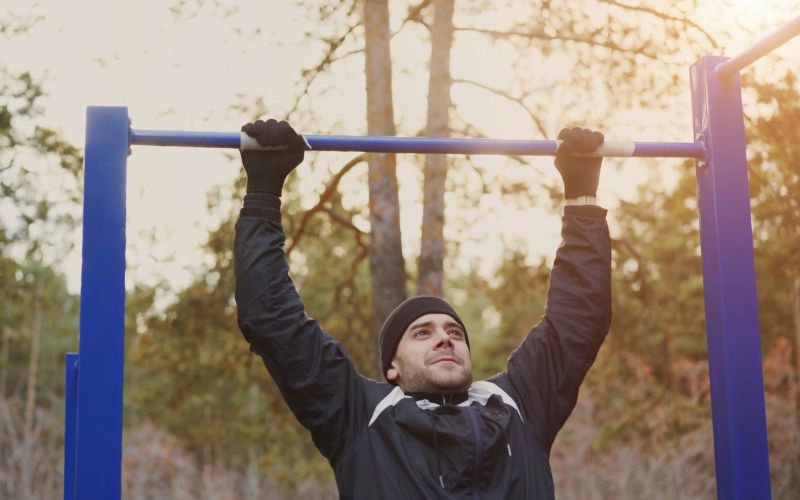
Use a secure pull-up bar positioned high enough for your body to hang without touching the floor. Hold it with an overhand grip slightly wider than shoulder-width, wrap your thumbs around the bar, and keep both wrists aligned comfortably.
Step 2: Begin From a Controlled Dead Hang
Extend your arms fully beneath the bar while keeping your body still. Let your legs hang naturally or cross your feet behind you when space is limited, but avoid bending excessively, kicking forward, or using the floor for assistance.
Step 3: Brace Your Core and Lower Body
Tighten your abdominal muscles, squeeze your glutes, and bring your ribs into a neutral position. Maintain a long, controlled body line without arching the lower back, allowing your torso to remain stable as the upper body begins pulling.
Step 4: Engage the Shoulder Blades First
Draw your shoulder blades gently down and toward each other before bending the elbows significantly. This small scapular movement activates the upper back, stabilizes the shoulders, and creates a stronger starting position than pulling from completely relaxed joints.
Step 5: Drive the Elbows Down and Back
Pull your chest toward the bar by directing both elbows toward your sides and slightly behind you. Keep your core braced and avoid swinging, kicking, or shrugging the shoulders upward as you move through the hardest portion.
Step 6: Finish With Your Chin Above the Bar
Continue pulling until your chin passes the bar without stretching your neck forward. Pause briefly at the top while maintaining shoulder control, a firm grip, and a stable torso rather than collapsing your chest or losing tension.
Step 7: Lower Under Control and Reset
Extend your elbows gradually as you lower back toward the starting position. Finish in a controlled dead hang, reset your shoulders and core, then begin another repetition only if you can maintain proper form without pain or excessive swinging.
2. 5 Pull-Up Mistakes That Make the Exercise Harder
Small technique problems can waste strength before the body reaches the hardest portion of a pull-up. Recognizing how to do a proper pull up helps you move more efficiently, protect your shoulders, and build repeatable strength.
Starting With Completely Loose Shoulders
Starting every repetition with completely relaxed shoulders can make it harder to establish a stable pulling position, especially for beginners. Instead of immediately bending the elbows, create controlled tension through the shoulder girdle before beginning the upward phase.
Create an active hang by drawing the shoulder blades gently downward before bending your elbows. Keep the arms nearly straight during this initial movement, then begin pulling once the shoulders feel stable and connected to the torso.
Swinging or Kicking for Momentum
Swinging the legs, thrusting the hips, or kicking toward the bar can make a repetition appear easier, but momentum reduces the strength-building benefit. Uncontrolled movement also makes body position inconsistent and may place additional stress on the shoulders.
Brace your core, tighten your glutes, and keep your legs quiet throughout every strict repetition. Use deliberate assistance from a resistance band or machine when necessary instead of creating momentum through repeated body swinging.
Pulling Mostly With the Arms
Pull-ups require coordinated effort from the back, shoulder, and elbow-flexor muscles rather than the arms alone. The latissimus dorsi and biceps brachii are both substantially active, so inefficient technique can make the movement feel disproportionately arm-dominant.
Think about driving your elbows down toward your sides while lifting your chest. Scapular pull-ups, assisted repetitions, and controlled rows can help develop the coordination needed to engage the lats and upper back properly.
Using an Incomplete Range of Motion
Starting with bent elbows or stopping before the chin clears the bar reduces the distance traveled and limits strength development. Craning the neck upward may create the illusion of completing a repetition without raising the body high enough.
Begin each rep with fully extended arms and finish with the chin naturally above the bar. Maintain a neutral head position, control the entire movement, and use assistance when a complete range cannot be performed cleanly.
Training Too Often Without Proper Progression
Attempting maximum repetitions every day can overload the elbows, forearms, and shoulders before the muscles recover. Fatigue may also reinforce poor technique, especially when every session continues until grip or form completely fails.
Schedule recovery between demanding sessions and increase volume gradually through assisted pull-ups, negatives, rows, and active hangs. Stop sets before technique breaks down, track progress consistently, and reduce training intensity if persistent joint pain develops.
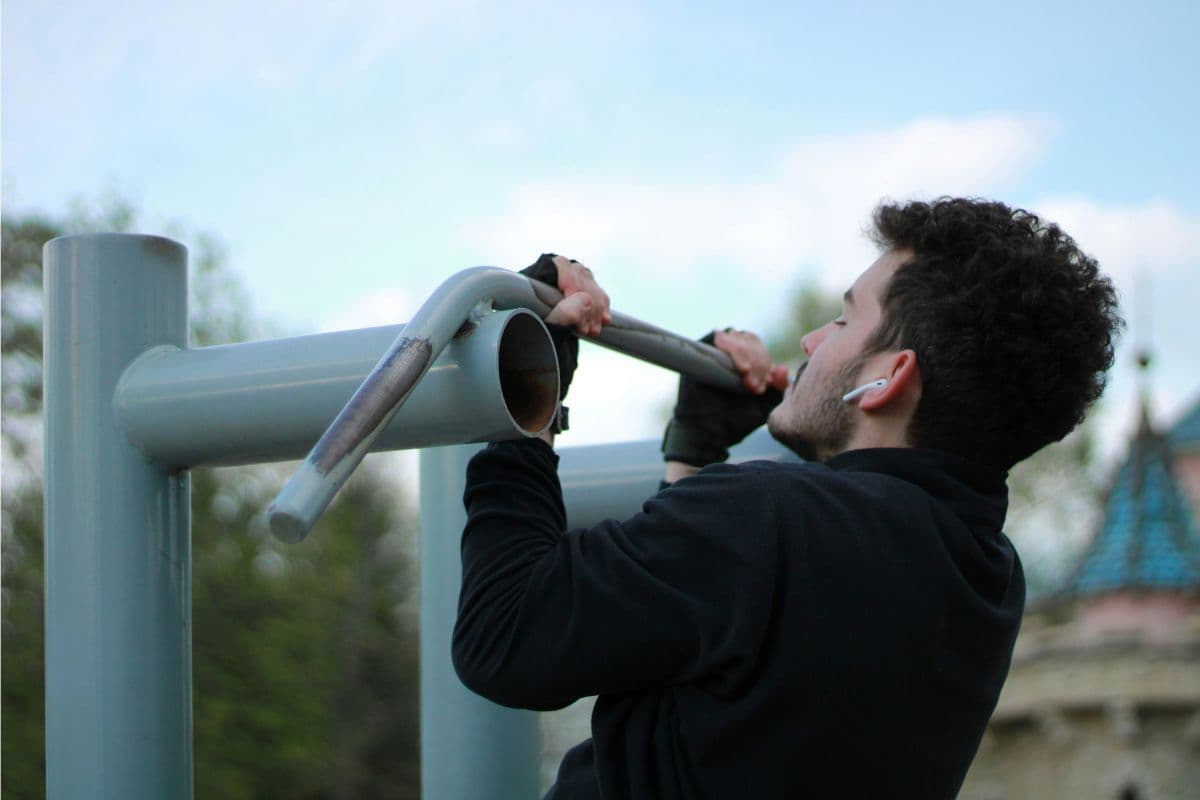
Five common pull-up mistakes to improve technique, save energy, and build strength more effectively. (Image by Unsplash)
3. Pull-Up vs. Chin-Up: Which Should Beginners Learn First?
Both exercises use similar movement patterns, yet their grip positions change muscle emphasis and perceived difficulty. Beginners exploring how to do a pull up may benefit from learning chin-ups first while continuing assisted pull-up practice.
Comparison Point
Pull-Up
Chin-Up
Grip direction
Overhand grip with palms facing away
Underhand grip with palms facing toward the body
Hand position
Usually slightly wider than shoulder-width
Usually shoulder-width or slightly narrower
Primary emphasis
Places greater emphasis on the lats, upper back, and shoulder stabilizers
Involves the back while placing greater emphasis on the biceps and chest
Core involvement
Requires core tension to prevent swinging and maintain alignment
Requires similar core control throughout the movement
Typical difficulty
Often feels harder because the biceps have less mechanical advantage
Often feels easier because the underhand grip recruits the biceps more effectively
Beginner suitability
Useful as a primary goal but may require bands, negatives, or assisted repetitions
Often provides a more accessible first bodyweight pulling exercise
Range of motion
Begins from extended arms and finishes with the chin above the bar
Uses a similar range, often allowing the chest to move closer to the bar
Best approach
Practice alongside rows, active hangs, and assisted pull-ups
Use as a strength-building bridge while developing strict pull-up ability
Progress depends on current strength, grip endurance, body weight, training frequency, and movement quality. Anyone researching how to be able to do a pull up should prioritize consistent practice and gradual progression rather than chasing a fixed deadline.
How Long Does It Take to Learn a Pull-Up?
Some beginners achieve their first repetition within several weeks, while others may need several months of structured training. Progress usually comes faster when practicing assisted pull-ups, rows, negatives, grip work, and scapular control two or three times weekly with adequate recovery.
Are Negative Pull-Ups Good for Beginners?
Yes, negatives strengthen the same pulling muscles by emphasizing the controlled lowering phase. Step onto a box to begin with your chin above the bar, then descend slowly for three to five seconds while keeping your shoulders stable and core engaged.
Do Dead Hangs Help With Pull-Ups?
Dead hangs can improve grip endurance, comfort on the bar, and tolerance for supporting body weight. However, they should be combined with active hangs, scapular pull-ups, rows, and assisted repetitions because passive hanging alone does not develop the full pulling motion.
Is a Chin-Up Easier Than a Pull-Up?
Chin-ups often feel easier because their underhand grip allows the biceps and chest to assist more effectively. Individual experience may differ based on mobility, body proportions, grip comfort, and whether someone has stronger arms or back muscles.
Should Your Chin Go Over the Bar?
Yes, a standard strict repetition usually finishes when the chin passes above the bar. Lift your body by driving the elbows downward and bringing the chest toward the bar instead of craning the neck forward to create an artificial finish.
Final Thoughts
Building your first pull-up comes down to consistent practice, strong positioning, and gradual progression. Use chin-ups, negatives, assisted reps, and active hangs while learning how to do a pull up with complete control.
TAG Mobile helps you stay connected to training videos, fitness apps, and workout plans wherever you exercise. Keep each repetition strict, rest sufficiently, and increase difficulty only when your form remains steady.
Share
TAG Blog
Stories, guides, and helpful updates for staying connected.