How to Clean a Refrigerator Properly: Inside, Outside, and Hidden Areas
Food spills, sticky shelves, dust, and forgotten items pile up inside your fridge. And how to clean a refrigerator properly means going beyond what’s visible. Our guide will walk y...
Quincy D.-Aug 19, 2026
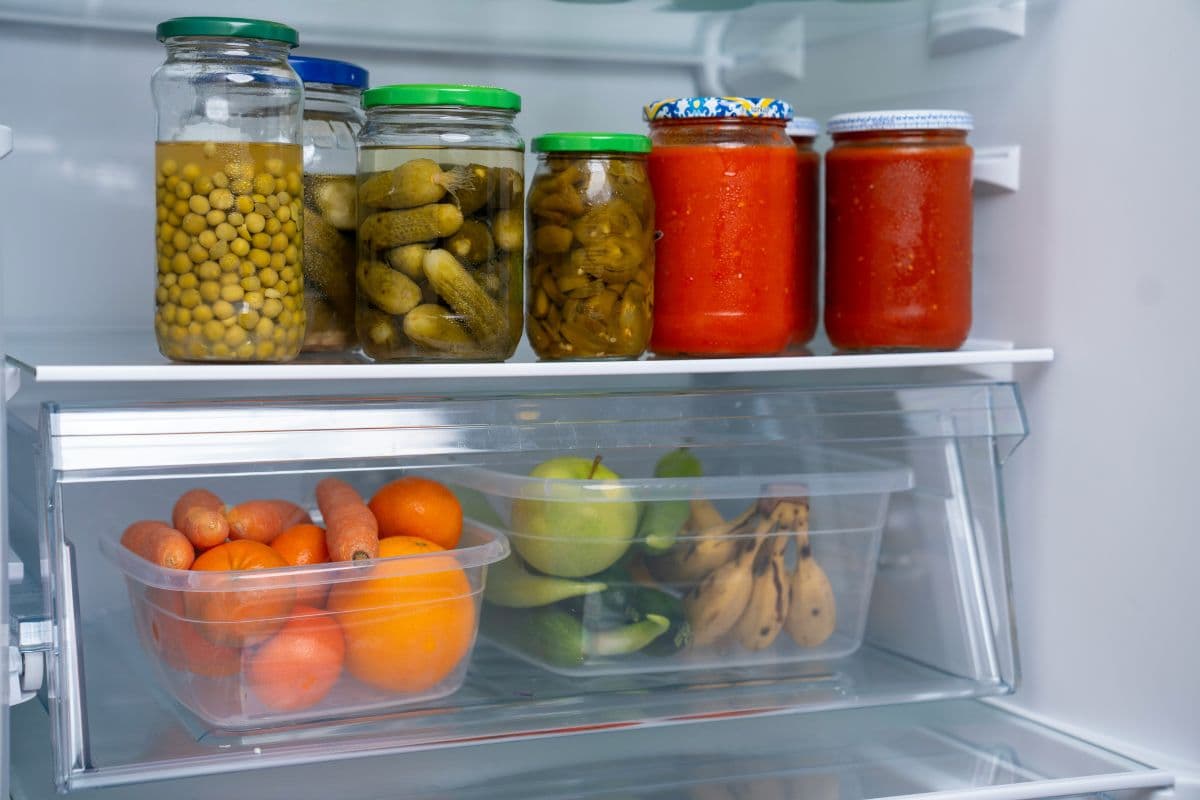
Image by Unsplash
Table of Contents
Food spills, sticky shelves, dust, and forgotten items pile up inside your fridge. And how to clean a refrigerator properly means going beyond what’s visible.
Our guide will walk you through a thorough approach that keeps your appliance running clean and healthy.
1. What You Need Before Cleaning Your Refrigerator
Preparing the right supplies first makes the cleaning process more efficient and helps you avoid stopping midway to look for tools.
When learning how to clean a refrigerator properly, choose gentle, food-safe cleaning items that can handle spills, residue, shelves, seals, and exterior surfaces without causing unnecessary damage.
Item
Purpose
Microfiber cloths
Wipe shelves, walls, doors, and exterior surfaces without leaving much lint
Soft sponge
Removes sticky residue and everyday grime without harsh abrasion
Mild dish soap
Cleans grease, spills, and food residue from washable surfaces
Warm water
Dilutes soap and helps loosen dried spills
Baking soda
Helps clean stubborn residue and neutralize lingering odors
Small bowl or bucket
Holds cleaning solution while you work
Soft-bristled brush
Reaches door seals, corners, grooves, and narrow crevices
Old toothbrush
Scrub small gaps and detailed areas around gaskets or drawer tracks
Dry towels
Dry shelves, drawers, and interior surfaces before food is returned
Trash bags
Hold expired food, spoiled items, and other discarded contents
Cooler or insulated bag
Keeps perishable food cold while the refrigerator is being cleaned
Vacuum with brush attachment
Removes dust from accessible coils, vents, and surrounding areas where appropriate
2. How to Clean a Refrigerator Properly From Top to Bottom
Thorough refrigerator cleaning works best when you move in a clear order, from food removal and removable parts to interior surfaces and final drying.
Working from top to bottom also helps prevent loosened crumbs, drips, and residue from falling onto areas you have already cleaned.
Step 1: Empty and Sort the Refrigerator
Remove all food and keep perishables in a cooler or insulated bag during cleaning. Check expiration dates and discard spoiled produce, old leftovers, expired products, or anything that is no longer safe to eat.
Step 2: Remove and Wash Shelves and Drawers
Take out removable shelves, bins, racks, and crisper drawers. Wash them with warm water and mild dish soap, following the manufacturer’s care instructions, especially for glass components that may be sensitive to sudden temperature changes.
Step 3: Clean the Interior From Top to Bottom
Start with the ceiling and upper shelves, then move down to the walls, shelf supports, crisper compartments, and refrigerator floor.
Use a soft cloth or sponge with mild soapy water to loosen crumbs, sticky spills, and dried food residue.
Step 4: Clean the Door, Seals, and Crevices
Wipe door shelves and bins to remove sticky rings and drips from bottles and containers. Use a soft brush or old toothbrush to gently clean gasket folds, tracks, corners, and other narrow spaces where residue can collect.
Step 5: Rinse and Dry Everything
Wipe cleaned surfaces with a separate damp cloth to remove any remaining soap or cleaning solution. Dry the interior, shelves, drawers, and door seals thoroughly with clean towels before putting everything back together.
Step 6: Reassemble and Organize the Food
Return the shelves and drawers, then put back only fresh food. Wipe dirty or sticky containers first and group similar items together to keep the refrigerator organized and make future cleaning easier.
3. The Refrigerator Areas Most People Forget to Clean
Visible shelves usually get the most attention, but hidden refrigerator areas can collect crumbs, moisture, dust, and sticky residue for weeks.
Knowing how to clean a refrigerator properly means checking these overlooked spots as part of a complete routine instead of focusing only on the main storage surfaces.
Clean these often-forgotten refrigerator areas to prevent hidden grime, spills, and odors. (Image by Unsplash)
Under the Crisper Drawers
Food particles, produce moisture, and small spills often settle underneath crisper drawers where they can remain unnoticed.
Remove the drawers completely and inspect the base beneath them for sticky residue or mold-prone moisture. Wipe the area with warm water and mild dish soap, then dry it thoroughly before reinstalling the drawers. Cleaning this space regularly can also make it easier to notice leaks or spoiled produce early.
Door Gasket Folds
Rubber door gaskets contain narrow folds that can trap crumbs, spills, and moisture around the refrigerator seal.
Use a soft-bristled brush or old toothbrush with mild soapy water to clean inside the grooves without pulling or damaging the gasket. Wipe away residue with a damp cloth and dry the seal carefully. Keeping the gasket clean also helps you spot cracks, looseness, or buildup that may interfere with proper door closure.
Shelf Tracks
Shelf tracks and support grooves are easy to overlook because most cleaning happens on the flat shelf surfaces.
Crumbs, dried liquids, and sticky residue can collect inside these narrow channels over time. Remove adjustable shelves when possible, then use a small brush or damp cloth to clean along the tracks. Dry the area before reinstalling the shelves so moisture does not remain trapped in the grooves.
Ice Bin
Ice bins can collect old ice, food odors, and small amounts of residue, especially when they are rarely emptied completely.
Discard stale ice and remove the bin according to the refrigerator instructions.
Wash it with warm water and mild dish soap if the manufacturer allows, then rinse and dry it fully before reinstalling. Fresh ice should be made only after the bin and surrounding compartment are clean.
Water Dispenser Area
Water dispenser paddles, drip trays, and surrounding surfaces can develop mineral spots, dried drips, and grime from frequent contact.
Remove the drip tray if possible and wash it separately, then wipe the dispenser area with a soft cloth and mild cleaner suitable for the surface.
Avoid spraying liquid directly into openings or controls. Regular attention keeps this frequently touched area cleaner and prevents residue from becoming difficult to remove.
Top of the Refrigerator
Dust, grease, and kitchen residue can accumulate on top of the refrigerator because the surface is rarely visible during everyday use.
Move stored items aside, then wipe or vacuum loose dust before cleaning the surface with a damp microfiber cloth and mild soap if needed.
Dry it afterward and avoid overcrowding the area, particularly if your refrigerator requires clearance for ventilation according to the manufacturer’s instructions.
Floor Under the Refrigerator
Crumbs, pet hair, dust, and small spills often collect beneath the refrigerator, where they can remain for months.
If the appliance can be moved safely, follow the manufacturer’s guidance and pull it forward carefully without damaging flooring, water lines, or electrical connections.
Vacuum loose debris, wipe the floor, and let it dry before returning the refrigerator to position. Avoid forcing a heavy appliance if assistance is needed.
4. What Should You Avoid When Cleaning a Refrigerator?
Good cleaning habits matter, but avoiding the wrong methods is just as important for protecting the appliance and food-contact surfaces.
When learning how to clean a refrigerator properly, steer clear of harsh products, excess moisture, and shortcuts that can damage finishes, seals, or electrical components.
Using Harsh or Abrasive Cleaners
Strong chemicals, scouring powders, steel wool, and rough scrubbers can scratch shelves, cloud plastic, damage coatings, or leave unwanted residue behind.
Choose mild dish soap, warm water, and soft cloths instead. For stubborn spots, let the cleaning solution sit briefly before wiping rather than increasing pressure or reaching for an abrasive product.
Spraying Cleaner Directly Into Vents or Controls
Spraying liquid directly around vents, control panels, lights, or electrical openings can allow moisture to reach sensitive components. Apply cleaner to a cloth first, then wipe the surface carefully. This gives you better control over how much liquid is used and reduces the chance of cleaner dripping into areas that should remain dry.
Putting Cold Glass Shelves Into Hot Water
Sudden temperature changes can cause some glass refrigerator shelves to crack or shatter.
Let removable glass components reach a safer temperature before washing them with warm water, and avoid exposing chilled glass to very hot water. Always follow the refrigerator manufacturer’s cleaning guidance, especially when handling tempered glass shelves or removable panels.
Mixing Cleaning Chemicals
Never mix household cleaning chemicals unless the product instructions specifically permit it. CDC/NIOSH warns that mixing bleach with ammonia or acids can produce poisonous fumes, including hazardous chlorine or chloramine gases.
Returning Food Before Everything Is Dry
Replacing food while shelves, drawers, or seals are still wet can leave excess moisture trapped inside the refrigerator.
Dry all cleaned components thoroughly before reassembly, then return food once surfaces are ready. This also gives you time to wipe sticky containers, discard spoiled items, and organize products before putting them back.
5. Main Concerns about Cleaning a Refrigerator
Routine refrigerator cleaning helps control spills, odors, dust, and hidden buildup before they become harder to manage.
These common questions cover how often to deep clean, when unplugging is necessary, which cleaners are suitable, and why coil maintenance can matter.
How often should a refrigerator be deep cleaned?
Deep cleaning every three to four months is a practical schedule for many households, although spills and spoiled food should be handled immediately. Refrigerators used heavily or shared by larger households may need more frequent attention.
Do I need to unplug my refrigerator before cleaning it?
Unplugging is recommended when cleaning areas near electrical components, moving the appliance, or servicing coils. For a quick interior wipe, follow the manufacturer’s instructions and avoid allowing excess moisture near lights, vents, controls, or wiring.
Can I use dish soap to clean the inside of my fridge?
Yes, mild dish soap diluted with warm water is suitable for many washable refrigerator surfaces. Use only a small amount, wipe away remaining soap with a clean, damp cloth, and dry the interior thoroughly before returning food.
Should you clean refrigerator coils?
Yes, accessible condenser coils can collect dust and debris, which may reduce the refrigerator’s efficiency.
Clean them according to the manufacturer’s guidance, usually with the appliance unplugged, using a vacuum or suitable coil brush without bending or damaging the components.
6. Final Thoughts
Keeping your refrigerator fresh starts with consistent care beyond the visible shelves. In general, how to clean a refrigerator properly? It involves removing spills, washing drawers, wiping seals, and checking hidden areas where dust and residue collect.
Gentle products, careful drying, and regular maintenance can help control odors, protect surfaces, and keep the appliance cleaner, more organized, and easier to manage.
Share
TAG Blog
Stories, guides, and helpful updates for staying connected.