Trip conditions should guide your sleeping bag choice, from expected nighttime temperatures to pack size, insulation, and sleeping position. This guide explains how to choose a sleeping bag by comparing the features that matter most for camping, backpacking, and different seasons.
Matching the bag to your climate, comfort needs, and travel style can make nights outdoors warmer, lighter, and much more comfortable.
1. What Makes a Sleeping Bag Right for You?
Choosing the right sleeping bag starts with your actual trip conditions rather than a brand name or one standout feature. For anyone comparing how to choose a sleeping bag for backpacking, temperature, location, season, pack space, and carrying weight should all work together.
- Where you will camp: Mountain campsites, forests, deserts, and humid lowlands can feel very different at night, so the sleeping bag should match the environment you expect to face.
- When you will use it: Summer trips usually need less insulation, while shoulder-season or winter camping calls for a warmer bag with a lower temperature rating.
- Expected temperatures: Check typical nighttime lows for your destination and choose a bag with enough warmth for those conditions, ideally with some safety margin for colder-than-expected weather.
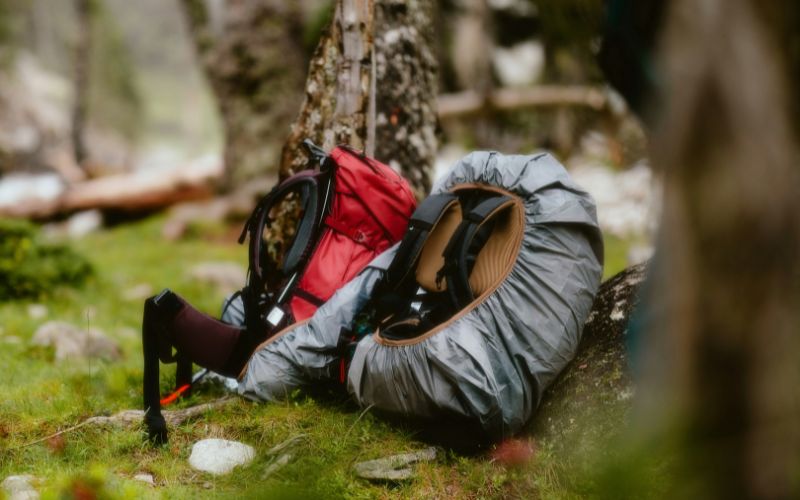
- How much space you can carry: Car campers can usually handle bulkier bags, while backpackers benefit from compact designs that compress easily inside a pack.
- How much weight matters: Lightweight insulation is especially valuable on longer hikes, where every extra ounce adds up over distance. Comfort, warmth, and packability should be balanced rather than judged separately.
2. How to Choose a Sleeping Bag in 5 Decisions
Sleeping bag selection becomes much easier when you break the choice into a few practical decisions. Temperature rating, insulation, shape, trip style, and fit all influence how warm, comfortable, and easy to carry the bag will be.
Choose a Sleeping Bag Based on Temperature Rating
Start with the lowest nighttime temperature you realistically expect on your trip. When comparing how to choose a sleeping bag temperature rating, look for a comfort rating that gives you a small buffer below typical conditions rather than choosing a bag rated exactly at the forecast minimum.
Choose Between Down and Synthetic Sleeping Bag Insulation
Down and synthetic insulation each offer clear advantages, so the better choice depends on weather, budget, and packability. Down is lighter and compresses smaller, while synthetic insulation generally handles damp conditions better and usually costs less.
| Insulation Type | Pros | Cons |
| Down | Lightweight, highly compressible, excellent warmth-to-weight ratio | More expensive, loses efficiency when wet unless treated |
| Synthetic | Performs better when damp, dries faster, usually more affordable | Bulkier and heavier for the same warmth |
Select the Best Sleeping Bag Shape for Your Needs
Mummy bags fit closely around the body, which helps retain heat and reduce weight. Rectangular bags provide more room to move but are usually bulkier, while semi-rectangular designs offer a middle ground between warmth efficiency and sleeping space. Choose based on how much freedom you want while sleeping.
Match Your Sleeping Bag to Your Camping Style
Backpackers usually prioritize low weight and compact packed size, while car campers can focus more on comfort and roominess.
Cold-weather trips require stronger insulation and lower temperature ratings, while family or occasional camping may favor affordable, easy-to-use designs. For how to choose a sleeping bag for camping, your trip style should guide the final balance of warmth, weight, and comfort.
Find the Right Sleeping Bag Size, Fit, and Comfort Features
Proper sizing helps a sleeping bag retain warmth without feeling restrictive during the night.
Check your height, shoulder and hip room, zipper placement, hood design, draft collars, footbox shape, and ventilation options. Side sleepers may prefer a slightly roomier cut that allows easier movement while still keeping unnecessary empty space to a minimum.
3. Sleeping Bag Features That Are Worth Considering
Small design details can make a sleeping bag more practical, easier to pack, and more comfortable across different trips. Once warmth and fit are settled, these extra features are worth comparing before making a final choice.