How to Brew Kombucha at Home: A Beginner’s 7-Step Guide
Homemade kombucha begins with a few basic ingredients, clean equipment, and enough time for fermentation to develop its signature tang. The process for how to brew kombucha usually...
Quincy D.-Sep 10, 2026
Image by Unsplash
Table of Contents
Homemade kombucha begins with a few basic ingredients, clean equipment, and enough time for fermentation to develop its signature tang.
The process for how to brew kombucha usually involves preparing sweet tea, adding a SCOBY and starter liquid, allowing the mixture to ferment, then tasting and bottling it at the right stage. Careful hygiene and temperature control help create a safer, more consistent batch for beginners.
1. What You Need to Brew Kombucha
Good preparation makes the brewing process smoother and helps reduce contamination risks from the start. For how to brew kombucha at home, gather the basic ingredients and equipment below before preparing your first batch.
Item
Recommended Amount
Main Purpose
Water
About 3.5 liters
Forms the base of the kombucha
Black or green tea
6-8 tea bags or about 2 tablespoons loose-leaf tea
Provides nutrients and flavor for fermentation
Granulated sugar
About 1 cup
Feeds the yeast and bacteria during fermentation
SCOBY
1 healthy SCOBY
Contains the culture needed to ferment the sweet tea
Starter kombucha
About 2 cups
Helps lower the initial pH and supports fermentation
Glass jar
1 large jar, about 1 gallon
Holds the kombucha during the first fermentation
Breathable cloth or coffee filter
1 piece
Covers the jar while allowing airflow
Rubber band
1
Secures the cloth over the jar opening
Wooden or silicone spoon
1
Used for stirring without reacting with the brew
Clean bottles with secure lids
4-6 bottles
Stores finished kombucha and supports optional second fermentation
Funnel
1
Makes bottling easier and reduces spills
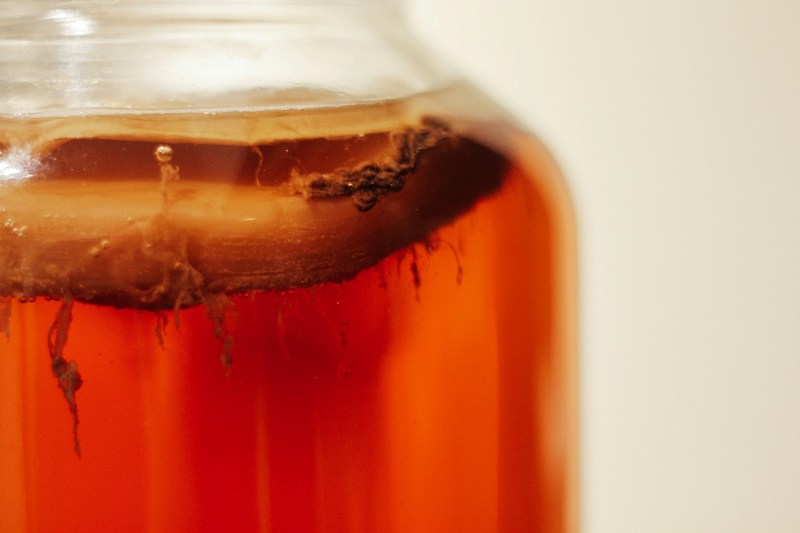
How to brew kombucha? You’ll need a SCOBY in order for it to ferment. (Image by Unsplash)
2. How to Brew Kombucha at Home in 7 Steps
Successful kombucha brewing depends on clean equipment, the right tea-to-sugar balance, and enough fermentation time for the culture to work properly.
Following each stage in order also makes it easier to monitor flavor, acidity, and overall batch consistency.
Step 1: Clean Your Brewing Equipment
Wash the jar, spoon, funnel, and any other brewing tools thoroughly with hot soapy water, then rinse well. Clean hands and equipment help reduce unwanted contamination, while avoiding heavily scented cleaners can prevent residues from affecting the culture or the flavor of the finished kombucha.
Step 2: Brew the Sweet Tea
Bring the water to a boil, steep the tea, and stir in the measured sugar while the liquid is still hot. Make sure the sugar dissolves completely, since it provides food for the yeast and bacteria during fermentation. Remove the tea bags or strain out loose leaves afterward.
Step 3: Let the Sweet Tea Cool Completely
Allow the sweet tea to reach room temperature before adding the SCOBY (symbiotic culture of bacteria and yeast) or starter liquid. Hot tea can damage the living culture, so do not rush this stage.
Cooling naturally may take some time, but it helps protect the microbes needed for a healthy fermentation.
Step 4: Add Starter Tea and the SCOBY
Pour the cooled sweet tea into the clean glass jar, then add the reserved starter kombucha and gently place the SCOBY on top. The starter lowers the pH and helps create a more favorable environment for fermentation while discouraging unwanted microbial growth.
Step 5: Cover and Let It Ferment
Cover the jar with a breathable cloth or coffee filter and secure it with a rubber band.
Keep it away from direct sunlight at a stable room temperature, generally around 75-85°F (24-29°C), and let it ferment for about 7-14 days depending on taste and conditions.
Step 6: Taste Until It Reaches the Balance You Want
Begin tasting after about a week using a clean straw or spoon. The kombucha should gradually become less sweet and more tart as fermentation continues.
This progression is also your signal for how to continuous brew kombucha. The same tasting approach will determine when part of the batch is ready to remove and replace with fresh sweet tea.
Step 7: Reserve Starter and Bottle the Rest
Before bottling, set aside enough plain kombucha to use as starter liquid for the next batch. Transfer the remaining brew into clean bottles, leaving a little headspace.
You can refrigerate it immediately or begin a second fermentation with fruit or flavorings if you want more carbonation and complexity.
Steeping time depends on the tea variety because stronger leaves generally need longer extraction.
Black and oolong tea typically steep for about 5-15 minutes, while green and white tea usually need only 3-5 minutes. When considering how long to brew kombucha, remember that these times apply to preparing the tea base, not the fermentation period itself.
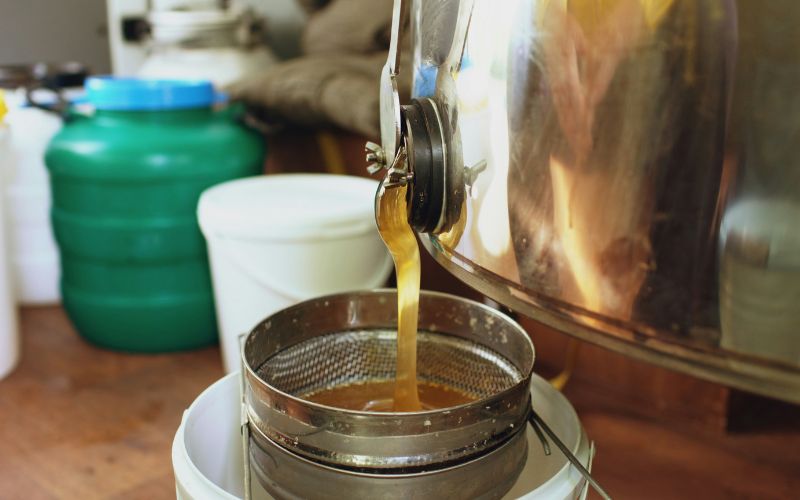
Steep kombucha tea for 3-15 minutes, depending on the type of tea you use. (Image by Unsplash)
4. Is Your Kombucha Ready? Use the Sip Test
Flavor is one of the simplest ways to judge whether fermentation has reached the point you prefer.
Rather than relying only on the calendar, taste a small amount with a clean straw or spoon and look for a balance between sweetness and acidity.
Still very sweet: Fermentation likely needs more time because much of the sugar has not yet been converted.
Lightly tart with some sweetness: This is often a good stopping point for people who prefer a milder, smoother kombucha.
Noticeably tangy but pleasant: Many home brewers consider this a balanced stage for how to brew kombucha, especially before bottling or adding flavorings.
Strongly sour or vinegary: The batch has fermented longer and may be better used as starter liquid or in recipes rather than as a mild drinking kombucha.
Consistent taste over several checks: Once the flavor matches your preference, reserve starter liquid and bottle the rest instead of extending fermentation unnecessarily.
5. FAQs about Brewing Kombucha
Brewing results can change depending on the starter liquid, tea type, fermentation time, and method you choose. These common questions help clarify what matters most for keeping the process reliable and the finished drink balanced.
Can I make kombucha without starter tea?
It is not recommended. Starter tea helps acidify the sweet tea quickly, creating a safer environment for the SCOBY and reducing the chance of unwanted microbial growth during early fermentation.
Is continuous brewing better than batch brewing?
Neither method is automatically better. Each suits a different routine. Continuous brewing is convenient for frequent drinkers because part of the kombucha stays in the vessel, while batch brewing gives you more control over each separate batch.
Can kombucha ferment too long?
Yes. Kombucha becomes progressively more acidic during fermentation, so leaving it too long can produce an increasingly sharp, vinegar-like flavor. Stop fermentation when the desired flavor and appropriate pH are reached. Do not reuse a batch that shows mold, unusual odors, or other signs of contamination. (Source: UGA Extension)
What type of tea is best for kombucha?
Plain black tea is a reliable choice for beginners, and University of California guidance recommends starting with 100% black tea for the first several batches.
Green, oolong, white, or combinations of true teas can also be used. Teas containing oils or certain added flavorings and spices may interfere with the culture, so they are generally better avoided during primary fermentation, especially when establishing a new culture.
6. Final Thoughts
Brewing kombucha at home becomes easier once you understand the role of clean equipment, sweet tea, starter liquid, and fermentation time. With how to brew kombucha, tasting regularly is just as important as following a set number of days, since flavor develops differently in each batch. Careful bottling and reserving enough starter also help keep future brews consistent.
For more practical kitchen and lifestyle guidance, explore TAG Mobile blog!
Share
TAG Blog
Stories, guides, and helpful updates for staying connected.