How Many Oz in a Pint? Your Quick Measurement Guide
A pint may sound like a simple measurement until a recipe starts mixing cups, ounces, and different measurement systems. The answer to how many oz in a pint depends on where the re...
Quincy D.-Aug 29, 2026
Image by Unsplash
Table of Contents
A pint may sound like a simple measurement until a recipe starts mixing cups, ounces, and different measurement systems. The answer to how many oz in a pint depends on where the recipe comes from, since U.S. customary and imperial pints are not the same size. Getting that distinction right can make liquid conversions quicker and help keep cooking and baking measurements on track.
1. How Many Oz in a Pint?
For U.S. liquid measurements, 1 pint equals 16 fluid ounces, making it one of the easiest kitchen conversions to remember. Anyone checking how many oz are in a pint can use 16 U.S. fl oz as the standard reference.
This relationship is especially useful when measuring milk, broth, sauces, beverages, or other liquids in recipes that switch between pints and ounces.
2. How to Convert Pints to Fluid Ounces
U.S. pint-to-ounce conversions are easy once you remember the basic relationship: 1 pint equals 16 fluid ounces. This rule is useful when scaling recipes, comparing beverage portions, or measuring liquids with containers marked in different units. It also reduces the need to check a conversion chart for common quantities.
Once you know how many fl oz in a pint, simply multiply the number of pints by 16. For example, ½ pint equals 8 fluid ounces, 1½ pints equal 24 fluid ounces, and 2 pints equal 32 fluid ounces.
Pints
Fluid Ounces
½ pint
8 fl oz
1 pint
16 fl oz
1½ pints
24 fl oz
2 pints
32 fl oz
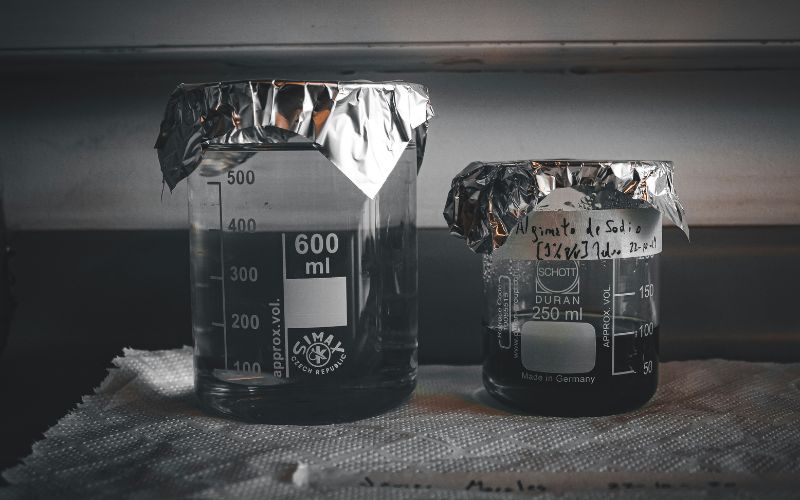
Remember the simple conversion: 1 U.S. pint equals 16 fluid ounces. (Image by Unsplash)
3. U.S. Pint vs. Imperial Pint: Why the Numbers Are Different
“Pint” is not a universal measurement, so its exact volume depends on the system being used. This difference is especially important when following recipes, measuring beverages, or converting quantities from international sources.
The U.S. customary system and the Imperial system both use the word “pint,” but they assign different volumes to it, which can easily cause confusion if the measurement standard is overlooked.
When checking how many oz is in a pint, first identify whether the source uses U.S. or Imperial units. A U.S. liquid pint contains 16 U.S. fluid ounces, while an Imperial pint contains 20 Imperial fluid ounces. Knowing this distinction helps prevent inaccurate conversions and keeps recipes, drink portions, and other liquid measurements consistent.
Measurement System
Pint Size
U.S. liquid pint
16 U.S. fl oz
Imperial pint
20 Imperial fl oz
Imperial and U.S. liquid pints may share the same name, but they represent different volumes. An Imperial pint is larger, so using the two measurements interchangeably can lead to noticeable errors in recipes, beverage portions, and other liquid calculations, especially when instructions come from different countries.
For accurate results, identify the measurement system before converting. U.S. recipes typically use 16 fluid ounces per pint, while Imperial measurements use 20 Imperial fluid ounces, making that distinction essential for consistent quantities.
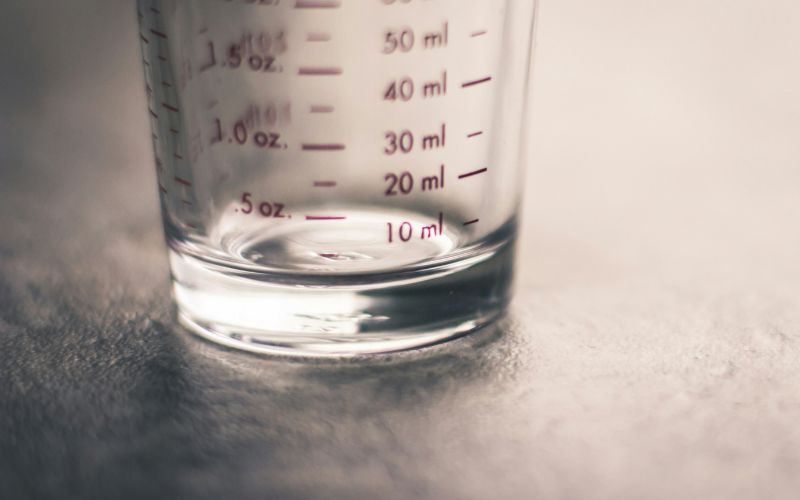
When checking how many oz is in a pint, first identify whether the source uses U.S. or Imperial units. (Image by Unsplash)
4. FAQs About Pints and Ounces
Once the basic pint conversion is clear, other kitchen measurements become much easier to manage. Knowing how many oz in a pint gives you a useful reference for converting between cups, tablespoons, teaspoons, and gallons, helping you follow recipes more accurately and adjust ingredient quantities with confidence.
Is a pint bigger than a cup?
Yes. In U.S. liquid measurements, 1 pint equals 2 cups, so a pint holds twice the volume of a standard cup. This makes the conversion especially useful when adjusting recipes, measuring beverages, or scaling ingredient quantities without needing to switch between multiple measuring tools.
How many tablespoons are in a pint?
One U.S. liquid pint contains 32 tablespoons, which makes smaller-volume conversions easy to handle. Since each fluid ounce equals 2 tablespoons and a pint holds 16 fluid ounces, the math works out to 32 tablespoons. This measurement is especially useful when recipes list liquids in tablespoons instead of cups or pints.
How many teaspoons are in a pint?
One U.S. liquid pint equals 96 teaspoons. The calculation comes from 32 tablespoons per pint, with each tablespoon containing 3 teaspoons. Knowing this relationship is useful when converting very small ingredient amounts into larger measurements or double-checking recipe quantities that use different volume units.
How many pints fit in a standard gallon?
One U.S. gallon contains 8 liquid pints, making this conversion useful for larger-volume measurements. Since 2 pints equal 1 quart and 4 quarts equal 1 gallon, multiplying those relationships gives a total of 8 pints per gallon. This simple reference is helpful when scaling recipes, preparing beverages, measuring bulk liquids, or converting between common U.S. kitchen units.
How Many Cups Are in a Pint?
One U.S. liquid pint equals 2 cups, with each cup holding 8 fluid ounces. Together, those two cups make the standard 16 fluid ounces in a pint. This simple conversion is useful when recipes switch between cups and pints, helping you measure liquid ingredients accurately without stopping to calculate each time.
Does a Dry Pint Equal 16 Fluid Ounces?
No. A dry pint and a liquid pint measure volume differently, so they should not be treated as interchangeable. In the U.S., dry pints are typically used for foods such as berries or produce, while fluid ounces measure liquids. Checking the measurement type first helps prevent inaccurate recipe conversions.
Final Thoughts
Accurate measurements can make recipes easier to follow and everyday conversions much less confusing. Remembering how many oz in a pint gives you a useful reference point, with 16 U.S. fluid ounces in a U.S. liquid pint and 20 Imperial fluid ounces in an Imperial pint. Once that difference is clear, converting between pints, cups, tablespoons, and other common units becomes much more manageable.
For more helpful tips, practical guides, and answers to everyday questions, explore the TAG Mobile Blog. It offers useful information on wireless service, mobile connectivity, and other topics that can help make everyday tasks a little easier.
Share
TAG Blog
Stories, guides, and helpful updates for staying connected.