How Long Will Food Last in Refrigerator Without Power? 5 Safety Tips
When the power goes out, the clock starts ticking on refrigerated food safety. Temperature changes can put perishable groceries at risk, even when they still look and smell normal...
Quincy D.-Nov 13, 2026
Image by Unsplash
Table of Contents
When the power goes out, the clock starts ticking on refrigerated food safety. Temperature changes can put perishable groceries at risk, even when they still look and smell normal. So, how long will food last in refrigerator without power depends on factors such as the refrigerator’s internal temperature and how often the door is opened.
Learn the essential safety guidelines to determine what you can keep, what you should discard, and how to reduce food waste without compromising your health.
1. How Long Will Food Last in Refrigerator Without Power?
During a power outage, refrigerated food generally stays safe for up to 4 hours if the door remains closed.
A full freezer can preserve food for approximately 48 hours, while a half-full freezer lasts around 24 hours.
When considering how long will food last in the refrigerator without power, remember that perishable items should be discarded if their temperature rises above 40°F (4°C) for more than 2 hours.
2. Which Refrigerated Foods Should You Throw Away?
Not everything in your refrigerator becomes unsafe at the same time, but temperature-sensitive foods require particular attention.
Understanding how long will food in a refrigerator last without power helps you identify what to discard after four hours without electricity or another reliable cooling source.
Meat, Poultry, and Seafood
Raw and cooked animal proteins are highly perishable and should be among the first items you check after an outage.
Discard these products if they have been without adequate refrigeration for more than two hours:
Meat-based soups, broths, and casseroles.
Raw or cooked beef, pork, lamb, and ground meat.
Fresh chicken, turkey, and other poultry products.
Raw or cooked fish, shrimp, crab, and shellfish.
Deli meats, hot dogs, and opened bacon.
Milk, Eggs, and Dairy Products
Milk and other moisture-rich dairy products require consistent refrigeration.
When considering how long will food last in refrigerator without power, pay particular attention to these highly perishable items, as prolonged exposure to warm temperatures can make them unsafe to consume.
Eggs also need careful handling. Discard refrigerated raw eggs, egg-based dishes, custards, and quiches exposed to unsafe temperatures for too long.
Some dairy products are more resistant to temporary temperature changes:
Shelf-stable milk that remains unopened.
Hard cheeses, including cheddar, Parmesan, and Swiss.
Butter and margarine.
Leftovers and Prepared Meals
Cooked foods can become unsafe even when they look and smell perfectly normal.
Dishes containing meat, dairy, eggs, or cooked grains provide favorable conditions for bacterial growth when left without proper cooling. Discard affected leftovers, including:
Cooked rice, pasta, and potato dishes.
Meatloaf, casseroles, and cooked meat portions.
Pizza, sandwiches, and prepared wraps.
Soups, stews, and meat-based sauces.
Restaurant takeout and meal-prep containers.
Cooked starch dishes and prepared meals require careful handling after an outage.
It is recommended to discarding perishable foods that have been above the recommended refrigeration temperature for more than two hours.
Fruits, Vegetables, and Condiments
Whole produce generally tolerates temporary temperature changes better than cut or cooked varieties.
Once fruits and vegetables are peeled, sliced, or prepared, however, they become more perishable.
Use these guidelines when sorting your produce and condiments:
Discard:
Cream-based dressings, opened mayonnaise-based salads, seafood sauces, and pesto if they have been inadequately refrigerated.
Cut melons, cut tomatoes, cooked vegetables, and pre-cut leafy greens exposed to unsafe temperatures for too long.
Generally safe to keep:
Whole apples, oranges, bananas, potatoes, onions, and other uncut produce.
Pickles, mustard, ketchup, and relish.
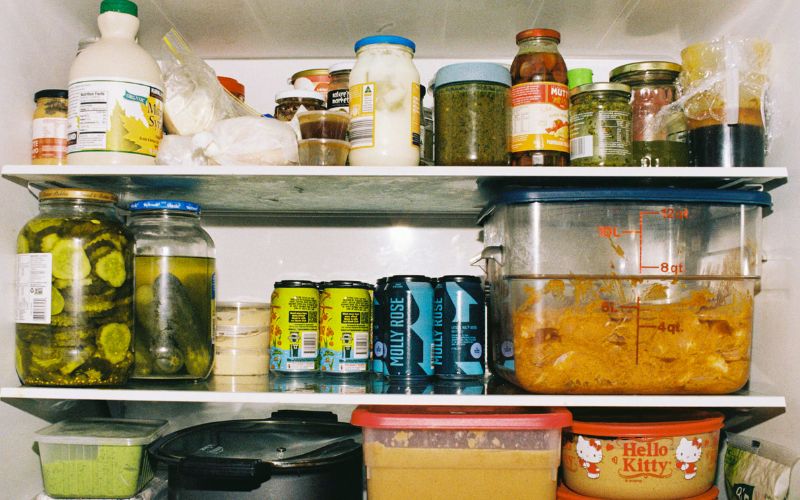
How long will food last in refrigerator without power? Identify refrigerated foods to discard after a prolonged power outage. (Image by Unsplash)
For longer outages, transfer meat, seafood, dairy products, and other high-risk foods into an insulated cooler filled with ice.
Wrap raw meat securely and place it separately from ready-to-eat items to prevent cross-contamination. Drain excess water as needed and replenish the ice when it melts.
Monitor Food Temperatures With a Thermometer
An appliance thermometer provides a more reliable safety indicator than estimating how long groceries have been without electricity.
Place one inside the refrigerator and another in the freezer to track temperature changes. This helps you determine whether food remains sufficiently chilled or needs to be discarded.
Prepare Alternative Cold Storage Options
Prepare for extended outages by freezing extra water bottles, storing ice packs, and identifying alternative cold storage locations.
If electricity remains unavailable, consider moving perishables to a working refrigerator at another location. You can also purchase additional ice from nearby stores to extend cooler storage time.
Knowing how long will food last in refrigerator without power can help you plan these precautions before an outage occurs.
If electricity remains unavailable, consider moving perishables to a working refrigerator at another location or purchasing additional ice from nearby stores to extend cooler storage time.
4. Food Safety Mistakes to Avoid After a Power Outage
Power restoration doesn’t automatically mean everything inside your refrigerator is safe to eat.
Improper food inspection after an outage can increase the risk of foodborne illness, making proper safety decisions essential.
Relying on Smell or Appearance to Judge Food Safety
Food can look and smell perfectly normal even when harmful bacteria have multiplied to dangerous levels. Never taste questionable items to determine whether they’re safe.
Instead, check Check storage temperatures and follow established food safety guidelines, especially when dealing with high-risk perishables.
Assuming Refrigerated Food Is Safe After Four Hours
Wondering how long will food last in refrigerator without power is only part of making safe decisions.
An unopened refrigerator generally keeps food safe for four hours, but temperatures can rise sooner if doors are opened frequently.
Discard perishables after four hours without power or an adequate alternative cooling source.
Opening Refrigerator and Freezer Doors Repeatedly
Frequent door openings release cold air and allow warmer air to enter, shortening the time food remains safely chilled.
Keep refrigerator and freezer doors closed whenever possible, and use appliance thermometers to evaluate temperatures once power returns.
Avoid checking items unnecessarily during an outage. (Image by Pexels)
Refreezing Thawed Foods Without Checking Their Condition
Not every thawed food item can safely return to the freezer. Discard perishable foods that have remained above this temperature for more than two hours.
Believing Reheating Can Make Spoiled Food Safe
Thorough reheating can destroy many harmful bacteria, but certain toxins produced during improper storage may survive cooking.
Never attempt to rescue unsafe leftovers through high-heat re-cooking. Discard questionable perishables and prioritize safe food handling rather than risking foodborne illness.
5. FAQs about Refrigerated Food During Power Outages
Rising temperatures and thawing perishables can create difficult decisions after an outage.
Beyond general timelines, these FAQs cover critical safety guidelines and signs that answer how long will food last in refrigerator without power and when refrigerated items should be discarded.
Is refrigerated food safe after a 6-hour power outage?
Most refrigerated perishables should be discarded after a six-hour outage without an alternative cooling source. Foods continuously maintained at 40°F (4°C) or below may remain safe, so reliable temperature measurements are essential.
Can you eat food from the fridge after 12 hours without power?
After 12 hours without electricity or alternative cooling, refrigerated perishable foods should generally be discarded. However, non-perishable items and intact produce may remain safe depending on their storage requirements and condition.
Does a full refrigerator stay cold longer?
A well-stocked refrigerator may retain cold temperatures longer than a nearly empty one because chilled contents provide additional thermal mass.
Can you save food by moving it to a cooler?
Yes, transferring perishable foods into an insulated cooler with sufficient ice or frozen gel packs can help preserve them during an extended outage.
6. Final Thoughts
Power outages can quickly raise concerns about the safety of refrigerated groceries, especially when temperatures begin to rise.
The answer to how long will food last in refrigerator without power depends on proper storage conditions and the duration of the outage.
Keep refrigerator doors closed, monitor food temperatures, and follow safety guidelines to reduce the risk of foodborne illness. For more practical food storage guidance and everyday kitchen advice, check out other helpful articles on TAG Mobile.
Share
TAG Blog
Stories, guides, and helpful updates for staying connected.