Can You Freeze Cheese? 6 Types That Freeze Well and 6 That Don’t
Freezing cheese can be useful when you buy in bulk, have leftovers, or want to reduce food waste, but not every variety responds the same way. If you are wondering “Can you freeze...
Quincy D.-Aug 31, 2026
Image by Unsplash
Table of Contents
Freezing cheese can be useful when you buy in bulk, have leftovers, or want to reduce food waste, but not every variety responds the same way.
If you are wondering “Can you freeze cheese?“, the answer depends largely on moisture content, texture, and how you plan to use it later. Firmer cheeses generally handle freezing better, while softer varieties may become grainy or watery after thawing.
1. Can You Freeze Cheese?
Yes, many cheeses can be frozen successfully, especially firm and semi-firm varieties. For better results, divide the cheese into practical portions, wrap it tightly, then place it in a freezer-safe bag or airtight container to limit freezer burn.
Shredding, crumbling, or portioning the cheese before freezing can also make later use easier. Just remember that texture may change after thawing, even when flavor remains acceptable.
2. Which Types of Cheese Freeze Best?
Moisture level and protein structure have a major effect on how cheese behaves in the freezer. When asking can you freeze cheese, firmer, lower-moisture varieties are usually the safest choices because they tend to retain their structure better than delicate fresh cheeses.
Cheese Type
Freezing Performance
What to Expect After Thawing
Cheddar
Very good
May become slightly more crumbly but still works well for cooking
Parmesan
Very good
Firm texture generally holds up well, especially when tightly sealed
Asiago
Good
Lower moisture helps preserve structure
Pecorino
Good
Dense, aged texture generally tolerates freezing well
Monterey Jack
Good
Freezes reasonably well for melting and cooking
Low-moisture mozzarella
Good
Best frozen shredded and used later for cooked dishes
Brie
Poor
Soft texture may become less creamy
Camembert
Poor
Texture can change noticeably after thawing
Ricotta
Poor
Often becomes grainy or watery
Cottage cheese
Poor
Curds and liquid may separate
Cream cheese
Poor
Can become grainy and less smooth
Fresh mozzarella
Poor
High moisture can lead to a softer, watery texture
Hard and semi-hard cheeses such as cheddar, Monterey Jack, and Parmesan generally freeze better than soft cheeses. Fresh or high-moisture varieties are more vulnerable because larger ice crystals can disrupt their internal structure during home freezing.
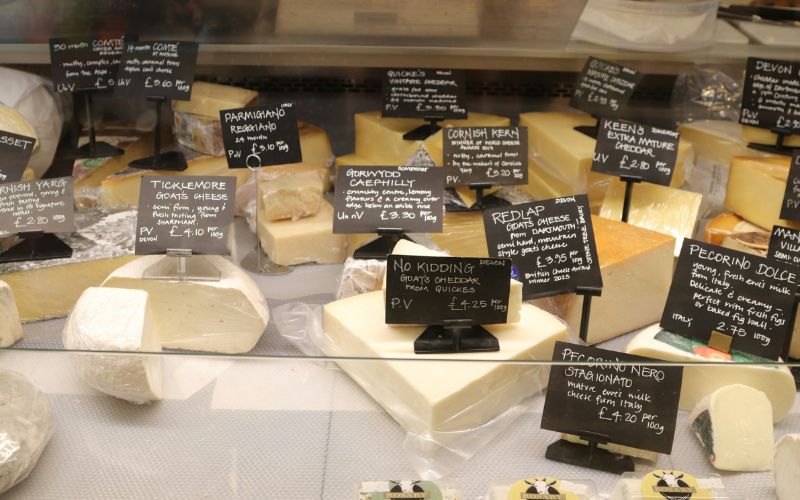
Freeze cheese properly to preserve its quality, flavor, and texture for longer. (Image by Unsplash)
3. How to Freeze Cheese the Right Way
Proper preparation can reduce freezer burn and make the cheese easier to use once it comes back out. Even though can you freeze cheese has a simple yes-or-no answer for many varieties, portion size, packaging, and thawing technique strongly influence the final quality.
Step 1: Divide It Into Smaller Portions
Cut large blocks into manageable portions before freezing instead of storing one oversized piece. Glad recommends keeping blocks relatively small, which makes them easier to thaw and reduces the need to repeatedly expose the entire package to temperature changes.
Step 2: Wrap the Cheese Tightly
Cover each portion securely with freezer-safe wrap to minimize exposure to air. Removing as much air as possible helps reduce freezer burn, which can dry the cheese and introduce unpleasant flavors during longer storage.
Step 3: Place It in a Freezer Bag
After wrapping, transfer the cheese to a freezer-safe bag or suitable airtight container. Press excess air from the bag before sealing and label it with the cheese type and freezing date so older portions can be used first.
Step 4: Freeze Shredded Cheese in Convenient Amounts
Pre-shredded cheese can be frozen in its original suitable packaging or transferred into smaller freezer portions. Keeping serving-size amounts separate makes it easier to take out only what you need for pizza, casseroles, pasta, or other cooked dishes.
Step 5: Thaw Slowly in the Refrigerator
Move frozen cheese to the refrigerator instead of thawing it rapidly on the counter. Glad recommends refrigerated thawing for about 24 to 48 hours for many cheeses, allowing moisture to redistribute more gradually before the cheese is used.
Not every cheese handles freezing well. Although freezing generally affects texture more than safety, cheeses with high moisture or delicate structures can become watery, crumbly, grainy, or separated after thawing. If texture matters, the following cheeses are usually better kept refrigerated rather than frozen.
Cream Cheese
Can you freeze cream cheese? Yes, but it is not ideal if you want to preserve its original smooth, spreadable texture.
Freezing can cause the water and fat to separate, leaving cream cheese grainy or slightly crumbly after thawing. Frozen cream cheese is generally better used in cooked dishes, sauces, casseroles, or baked goods than as a fresh spread.
Ricotta Cheese
Ricotta cheese has a high moisture content, so freezing can noticeably change its delicate texture. Once thawed, it may become watery and grainy as the liquid separates from the curds. It can still work in cooked recipes such as lasagna or stuffed pasta, but it may be less appealing when served fresh.
Cottage Cheese
Cottage cheese generally does not freeze well when texture is important. Its curds can become softer or grainier, and excess liquid may separate during thawing. Like ricotta, previously frozen cottage cheese is usually more suitable for cooked recipes than eating on its own.
Fresh Mozzarella
Fresh mozzarella contains considerably more moisture than low-moisture mozzarella, making it vulnerable to texture changes in the freezer. After thawing, it may lose some of its soft, springy consistency and release excess water. For salads and other fresh preparations, refrigeration is usually preferable.
Soft and Delicate Cheeses
Soft cheeses such as Brie and Camembert may lose some of their creamy texture after freezing and thawing. Ice crystals can disrupt their structure, resulting in a less smooth consistency. If you plan to serve these cheeses on a cheese board, keeping them refrigerated generally produces a better experience.
5. What Happens When You Thaw Frozen Cheese?
Freezing changes more than temperature because water inside the cheese turns into ice crystals that affect its internal structure. Knowing can you freeze cheese therefore also means considering how the cheese will look, feel, and perform after it returns to refrigerator temperature.
Hard cheeses may become more crumbly: Ice crystals can disrupt the protein network, leaving cheddar, Parmesan, or similar cheeses slightly drier or easier to break apart.
Soft cheeses may turn grainy: High-moisture varieties such as cream cheese and ricotta are more likely to lose their smooth texture.
Water may separate: Cottage cheese, fresh mozzarella, and other moist cheeses can release noticeable liquid during thawing.
Melting performance may change: Some cheeses can still work perfectly well on pizza, casseroles, sauces, or baked dishes even when their texture is less appealing for eating fresh.
Flavor is often less affected than texture: Properly packaged cheese may retain much of its original flavor, although freezer burn can introduce unwanted off-flavors.
Slow thawing can improve results: Refrigerating frozen cheese while it thaws gives moisture more time to redistribute and is preferable to rapid room-temperature thawing.
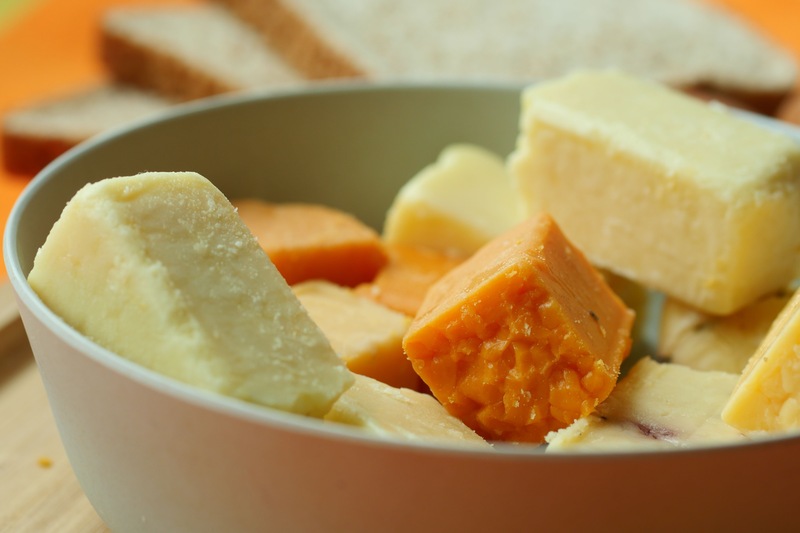
Freezing changes more than temperature because water inside the cheese turns into ice crystals that affect its internal structure. (Image by Pexels)
6. FAQs about Freezing Cheese
Freezing can extend the usefulness of leftover cheese, but storage time and post-thaw texture vary considerably between varieties. These answers cover several common situations that can help you decide whether the refrigerator or freezer makes more sense.
Can you freeze cottage cheese?
Yes, but cottage cheese generally does not freeze well if you want to eat it fresh afterward. Its high moisture content can cause the curds and liquid to separate, leaving a watery or grainy texture that works better in cooked recipes.
Can you freeze ricotta cheese?
Ricotta can be frozen, although freezing may noticeably change its texture. Once thawed, it can become grainier and release moisture, so it is usually more suitable for lasagna, stuffed shells, or other cooked dishes than for fresh preparations.
Can you freeze shredded cheese?
Yes. Unlike many soft cheeses, shredded varieties such as cheddar, Monterey Jack, and low-moisture mozzarella generally freeze relatively well.
Their texture may become slightly more crumbly after thawing, but this is usually less noticeable when the cheese is melted into pizza, casseroles, soups, or other cooked dishes.
Can you eat 5-year-old frozen cheese?
Keeping cheese frozen for five years is far beyond common quality recommendations. Continuous freezing at 0°F can keep foods from supporting microbial growth, but quality deteriorates over time, and Glad recommends up to about six months for many hard cheeses, so a five-year-old package would be a poor choice for quality and should be evaluated cautiously.
Which cheeses freeze best?
Firm, lower-moisture cheeses generally perform best in a home freezer. Cheddar, Parmesan, Asiago, Pecorino, Monterey Jack, and low-moisture mozzarella are better candidates because their stronger structure and lower water content help them withstand freezing more successfully.
Should I keep cheese in the fridge or freezer?
Refrigeration is usually best when you expect to eat the cheese within its normal storage period because it preserves texture better. Freezing makes more sense for surplus cheese you cannot use soon, particularly firm varieties intended for future cooking.
Final Thoughts
The freezer can rescue leftover cheese from going to waste, but not every variety comes back exactly as it went in. For anyone asking can you freeze cheese, the best results usually come from firmer cheeses and portions prepared with their future use in mind.
Wrap them tightly, freeze only what you can realistically use, and thaw in the refrigerator. If the texture changes, save the cheese for melting, sauces, casseroles, or other cooked dishes where flavor matters more than a perfect slice.
From food storage and cooking tips to everyday how-to guides, the TAG Mobile blog covers plenty of useful topics worth expl
Share
TAG Blog
Stories, guides, and helpful updates for staying connected.