How Long to Smoke Ribs? Timing by Temperature and Rib Type
Smoking ribs successfully comes down to balancing time, temperature, rib type, and doneness rather than following one fixed number. If you are asking how long to smoke ribs, the an...
Quincy D.-Sep 15, 2026
Image by Unsplash
Table of Contents
Smoking ribs successfully comes down to balancing time, temperature, rib type, and doneness rather than following one fixed number. If you are asking how long to smoke ribs, the answer changes depending on whether you cook baby back, spare, or St. Louis-style ribs and which smoker temperature you use.
This guide breaks down the key timing ranges, temperature targets, and signs that help ribs turn tender without drying out.
1. How Long to Smoke Ribs at 225°F or 250°F?
Pork ribs generally need about 5 to 6 hours of smoking at 225°F to 250°F, although the exact time depends on the cut, thickness, and cooking method.
If you are wondering how long to smoke ribs at 250, expect the ribs to finish slightly faster than at 225°F while still benefiting from low-and-slow cooking. In detail:
At 225°F, ribs usually need closer to the full 6 hours because the lower temperature cooks them more slowly and gives the connective tissue more time to break down.
At 250°F, ribs often finish slightly faster, usually around 5 hours, while still developing a tender texture and smoky flavor.
Pork ribs are typically done when they become tender and reach roughly 195°F to 203°F internally.
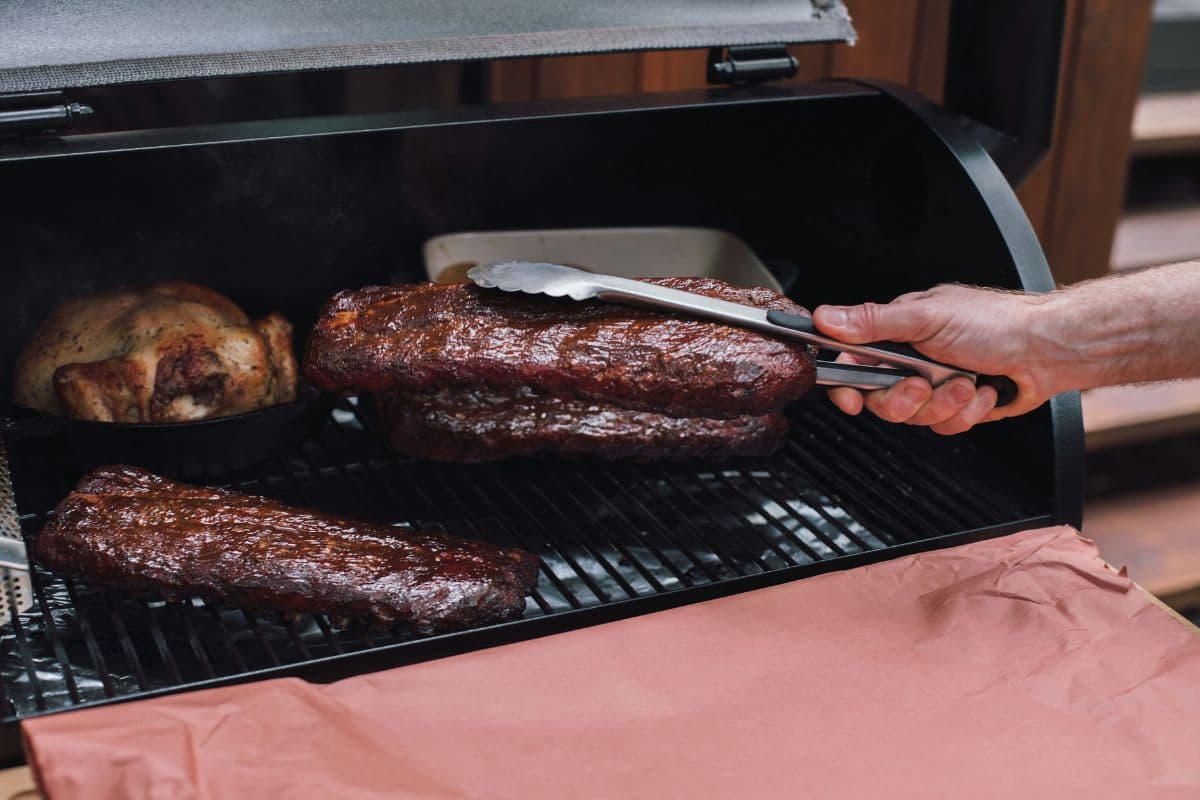
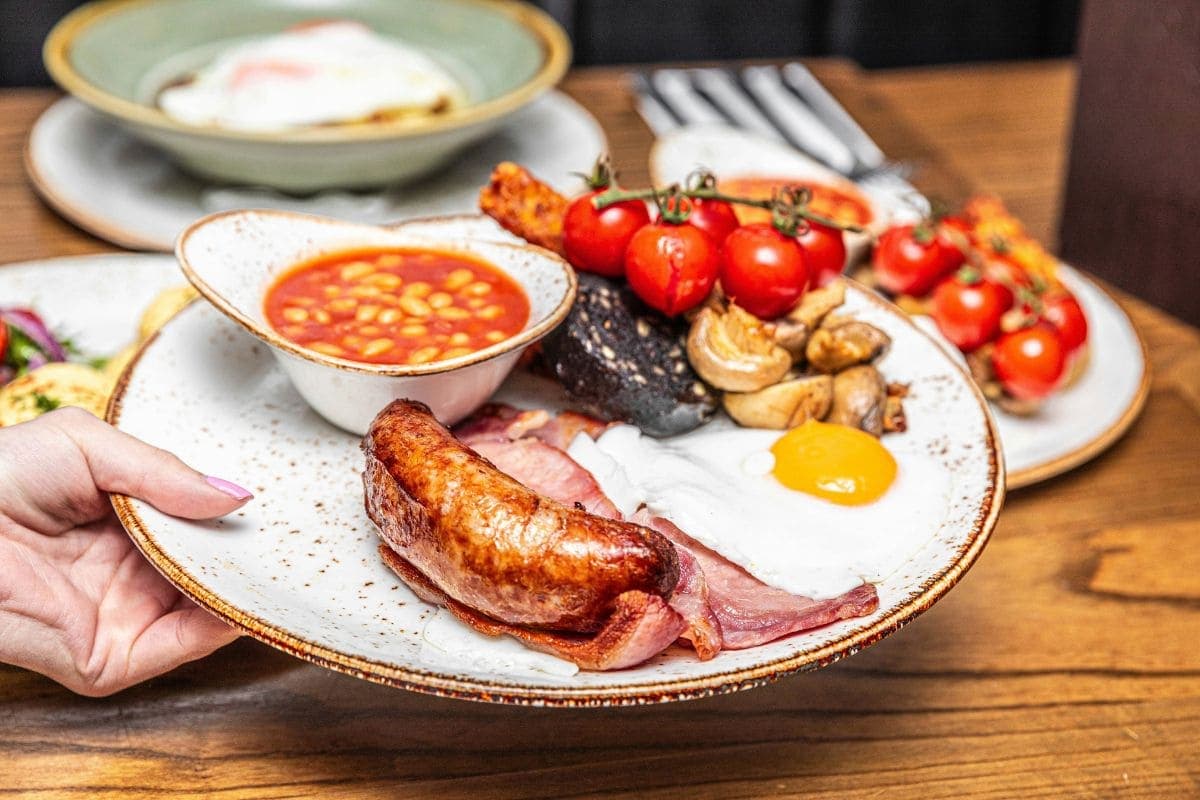
How long to smoke ribs? Follow this step by step guide for tender, juicy meat with rich smoky flavor. (Image by Unsplash)
2. How to Smoke Ribs in 6 Simple Steps
Great smoked ribs develop through careful preparation, steady heat, and enough time for the meat to tenderize while absorbing smoke.
When deciding how long to smoke ribs, the steps below help keep the process organized and make doneness easier to judge.
Step 1: Prepare the Ribs
Start by patting the ribs dry and removing the thin membrane from the bone side. Slide a blunt knife underneath the membrane, loosen it, then pull it away with a paper towel for better grip.
Make sure to trim excess fat or loose pieces so the rack cooks more evenly.
Step 2: Season the Surface
Coat both sides of the ribs evenly with your preferred dry rub. The seasoning should cover the meat, edges, and spaces around the bones.
Let the seasoned rack rest briefly before smoking so the rub adheres properly and begins forming the flavorful outer crust during cooking.
Step 3: Preheat the Smoker
Set the smoker between 225°F and 250°F and allow it to reach a stable temperature before adding the ribs. Maintaining consistent low heat is essential because it gradually breaks down connective tissue while giving the meat enough time to take on smoke without drying out too quickly.
Step 4: Smoke the Ribs
Place the ribs directly on the grates, generally bone-side down, and close the lid.
Let them smoke steadily for several hours, avoiding unnecessary opening of the smoker. Depending on the method, you can occasionally spritz the surface to help maintain moisture as the bark develops.
Step 5: Check for Doneness
Begin checking the ribs as they approach the expected cooking time. Pork ribs are commonly considered tender around 195°F to 203°F, but temperature is not the only indicator. Properly cooked ribs should feel tender when probed and show some separation around the ends of the bones.
Step 6: Rest and Serve
Remove the finished ribs from the smoker and let them rest for about 10 minutes before slicing.
Resting allows the juices to redistribute through the meat instead of immediately escaping when cut. Slice between the bones into individual portions, then serve with sauce if desired.
The 3-2-1 method is a widely-favorite cooking strategy that divides rib smoking into three stages:
Smoke the ribs uncovered for 3 hours.
Wrap them in foil and cook for another 2 hours.
Then unwrap and finish them for 1 final hour.
This technique is designed to build smoky flavor first, tenderize the meat while wrapped, and develop the surface texture at the end.
Besides, it also takes 6 hours. So for most beginners, 250°F with a modified 3-2-1 approach is often easier to manage because it reduces the risk of overcooking while still producing tender ribs.
It’s ideal to combine these methods to get the best result.
4. Timing Tips for Ribs That Don’t Follow the Schedule
Smoking times are useful as a starting point, but ribs rarely finish at exactly the same pace every time.
Apart from the exact answer for how long does it take to smoke ribs, factors such as rib thickness, smoker temperature, wrapping, and heat consistency matter just as much as the clock.
Check tenderness, not only time: Ribs may need more or less time than expected. Use a probe or skewer between the bones; properly cooked meat should feel tender with little resistance.
Watch internal temperature: USDA’s minimum safe temperature for whole cuts of pork is 145°F followed by a 3-minute rest, but smoked ribs are commonly cooked well beyond this point for tenderness.
Keep smoker temperature steady: Frequent temperature swings can extend cooking time or create uneven results. Try to maintain your chosen range instead of repeatedly adjusting the heat.
Wrap when faster tenderizing is needed: Foil traps heat and moisture, which can help ribs cook more quickly and soften during the middle stage.
Avoid opening the smoker too often: Each lid opening releases heat and can slow the cooking process. Check only when necessary, especially during longer smoking sessions.
Adjust for rib size and cut: Thicker spare ribs often need more time than smaller baby back ribs, so use timing ranges rather than treating every rack the same.
5. Smoked Rib Timing FAQs
Cooking temperature, rib cut, wrapping, and desired tenderness all influence how long to smoke ribs, so fixed schedules should be treated as guidelines rather than guarantees. These common questions can help you adjust timing without sacrificing texture or moisture.
Is it better to smoke ribs at 250 or 225?
Both temperatures work well for low-and-slow smoking. Cooking at 225°F generally takes longer and allows more gradual smoke exposure, while 250°F can shorten the process slightly without moving too far from traditional barbecue temperatures.
Do ribs cook faster when wrapped?
Yes. Wrapping ribs in foil helps them cook faster by trapping heat, steam, and moisture close to the meat. This creates a more humid cooking environment that speeds up tenderizing and reduces moisture loss. However, wrapping can soften the bark, so many cooks unwrap the ribs near the end to restore texture.
Can you smoke ribs too long?
Yes. Overcooking can make ribs overly soft, mushy, or dry, depending on the temperature and method. Properly cooked ribs should be tender and pull cleanly from the bone while still maintaining some structure.
How long to smoke baby back ribs?
Baby back ribs often take around 5 hours at approximately 225°F, although thickness and technique can shift the timing. One Traeger method cooks them for about 2 hours initially, followed by roughly 3 more hours until they reach about 203°F to 205°F and become tender.
6. Final Thoughts
Great ribs depend more on steady heat and tenderness cues than on following the clock minute by minute. Once you understand how long to smoke ribs, it becomes easier to adjust for rib type, smoker temperature, wrapping method, and desired texture. Using timing as a guide while checking doneness carefully will help produce more consistent, flavorful smoked ribs.
TAG Mobile shares practical guides that make everyday questions easier to navigate. Catch up with the latest updates for more!
Share
TAG Blog
Stories, guides, and helpful updates for staying connected.