12 Housing Programs for Single Moms: Rental, Emergency, and Homeownership
High rent, urgent bills, and long waitlists often place immense financial pressure on one-parent households. To help families secure a safe and affordable place to live, this compr...
Quincy D.-Sep 28, 2026
Image by Unsplash
Table of Contents
High rent, urgent bills, and long waitlists often place immense financial pressure on one-parent households.
To help families secure a safe and affordable place to live, this comprehensive guide explores the most accessible housing assistance programs for single moms, ranging from immediate rental relief to long-term homeownership support.
1. 12 Housing Programs for Single Moms to Explore
Housing assistance is not limited to traditional Section 8 vouchers. For those pursuing homeownership, programs for single moms to buy a house may also include affordable mortgage options, down payment assistance, and other homebuyer support programs.
Participants can generally choose qualifying apartments, townhouses, or single-family homes, while a local public housing agency administers the voucher and pays part of the rent directly to the landlord.
Eligibility is usually based on household income, family size, and immigration or citizenship requirements. Waiting lists can be long, so checking several PHAs may improve your options.
HUD Public Housing
HUD Public Housing Program offers lower-cost rental homes through developments managed by local public housing agencies.
Eligibility typically depends on annual household income, family status, and U.S. citizenship or eligible immigration status.
Unlike Housing Choice Vouchers, assistance is tied to the specific public-housing property rather than following the tenant into the private rental market.
Applicants should contact the housing authority serving their preferred area and ask about current waitlist availability.
Privately Owned Subsidized Housing
Privately owned subsidized housing includes apartment communities where government assistance is attached to specific units or properties.
Eligible low-income tenants may pay reduced rent because subsidies help cover part of the housing cost. Although these rentals are different from single mom house buying programs, they can provide a more affordable housing option for mothers who are not yet ready to pursue homeownership.
Applications usually go directly through individual property management offices rather than through one national application. Household income limits, availability, unit size, and waiting-list procedures vary by development.
USDA Multi-Family Housing Rental Assistance
USDA Rural Development provides rental assistance for qualifying tenants living in certain USDA-financed Rural Rental Housing or Farm Labor Housing properties.
Payments go to participating property owners on behalf of low-income tenants who cannot afford the full rent.
Depending on how communities use ESG funding, assistance may include emergency shelter, homelessness prevention, rapid rehousing, street outreach, and related stabilization services.
Continuum of Care (CoC) Program
The Continuum of Care Program supports coordinated local efforts to reduce homelessness and quickly rehouse individuals and families.
HUD funds nonprofit organizations, local governments, states, and tribal entities that provide housing and supportive services to eligible people experiencing homelessness.
Transitional Housing Programs for Single Moms
Transitional housing provides temporary accommodation combined with services intended to help families move toward stable independent housing.
Availability varies widely because transitional housing is often operated by nonprofits, shelters, faith-based organizations, or CoC-funded providers.
Fellowship Housing
Fellowship Housing focuses on helping qualifying single mothers build financial stability while living in affordable transitional housing.
Its model combines lower-cost housing with financial coaching and support designed to help families reduce debt, increase savings, and prepare for greater independence.
Catholic Charities Housing Programs
Catholic Charities agencies across the country may provide emergency shelter, rental assistance, homelessness prevention, transitional housing, or referrals to longer-term housing resources.
For families exploring programs for single moms housing, these local services may provide another potential source of support. Available assistance varies considerably from one city or diocese to another.
Depending on the local branch, services may include temporary shelter, rental assistance, transitional housing, rapid rehousing, case management, or support for families at risk of homelessness.
The program generally does not require a down payment, although applicants with sufficient assets may be required to use some of those funds toward the purchase.
USDA Single Family Housing Guaranteed Loan Program
The USDA Guaranteed Loan Program supports eligible rural homebuyers through mortgages issued by approved private lenders and guaranteed by USDA Rural Development.
This program can help eligible households with limited savings because qualifying borrowers may be able to finance up to 100% of the appraised value or eligible acquisition cost, subject to USDA and lender requirements.
2. How to Qualify for Single Mom Housing Programs?
Eligibility differs across rental assistance, emergency housing, nonprofit support, and homeownership programs.
To make sure verification for housing programs for single moms is easier and delays are minimized, applicants should prepare the right documents before applying.
Proof of identity and immigration status: Prepare government-issued identification and any citizenship or eligible immigration documents required by the program.
Proof of residence: Keep a current lease, utility bill, state ID, or other document showing where you live.
Benefit documentation: Keep records showing participation in any qualifying public assistance program when relevant.
Income records: Collect recent documents that verify your household income and financial resources.
Household information: Provide information about everyone who will live in the home and any household circumstances relevant to eligibility or accommodations.
Housing history: Some programs may request information about your current housing situation, eviction risk, homelessness status, or previous addresses.
Contact information: Keep your phone number, email, and mailing address current so you do not miss housing-authority notices or waitlist updates.
Prepare income, household, and housing documents to qualify for single mom housing programs more smoothly. (Image by Unsplash)
3. How to Find More Single Mom Housing Programs Nearby?
Local housing opportunities often change faster than national program pages, especially when waitlists open or emergency funds become available.
Expanding your search across several agencies can uncover housing programs for single moms that are specific to your city, county, or state.
Check Local Public Housing Agencies
Start with public housing agencies serving your city and nearby counties. They can provide information about Housing Choice Vouchers, public housing, homeownership options, application periods, and waitlists.
Checking neighboring jurisdictions may also reveal openings that are unavailable where you currently live.
Search State Housing Finance Agencies
State housing finance agencies may provide affordable housing resources, including rental information, down payment assistance, homebuyer loans, or links to local programs.
Their websites can be especially helpful when you need options beyond federal rental assistance or want to compare homeownership programs.
Contact 211 and Community Resource Networks
Calling 211 can connect families with nearby shelters, rent assistance, housing counseling, utility support, food programs, and homelessness-prevention services.
Since local resources change frequently, referral networks can help identify organizations that are currently accepting applications.
Use HUD Housing Counseling Services
HUD-approved housing counselors can help renters and prospective buyers understand housing options, budgeting, mortgage readiness, foreclosure prevention, and available assistance.
ounseling can be especially useful when several programs have different income rules or application requirements.
Ask Local Nonprofits and Family Service Organizations
Community action agencies, family resource centers, faith-based nonprofits, domestic violence organizations, and local charities may offer rental assistance or housing referrals.
Some programs serve very specific groups, so describing your housing situation clearly can help staff match you with appropriate resources.
4. How Can Low-Cost Phone Plans Help During a Housing Search?
Housing applications often require frequent calls, document uploads, emails, and follow-up messages. Cutting wireless expenses can also free up a small but useful portion of the household budget while you search for housing.
Lifeline is a federal benefit designed to make qualifying phone or internet service more affordable for eligible low-income households.
Depending on the provider and location, eligible customers may receive Lifeline-supported service with reduced out-of-pocket costs.
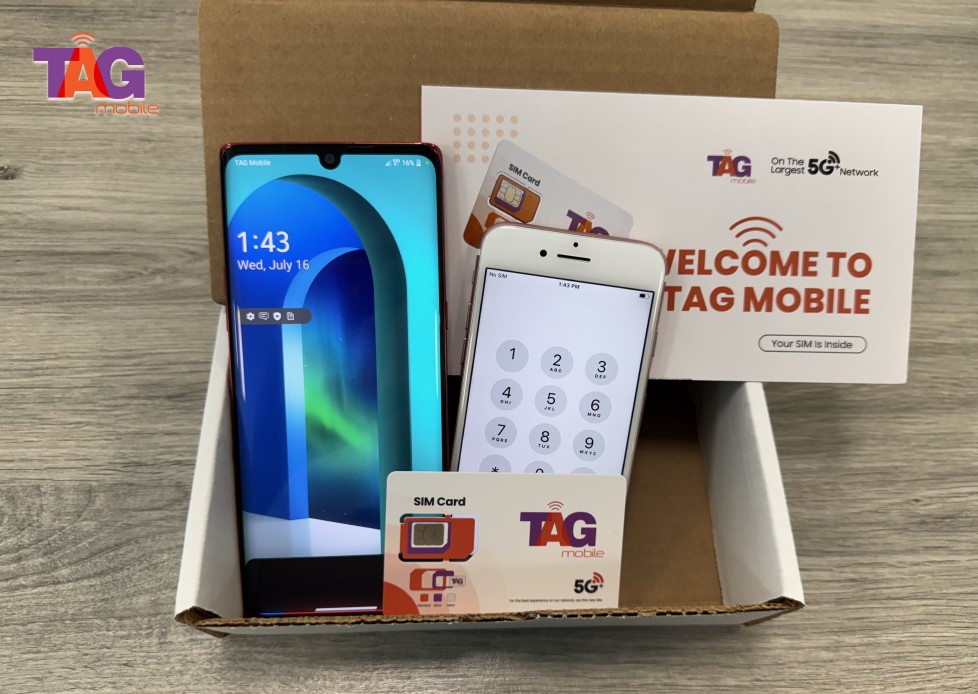
TAG Mobile is an Eligible Telecommunications Carrier and U.S. wireless provider that delivers Lifeline-supported service to qualifying customers.
Lifeline provides the qualifying benefit that reduces service costs, while TAG Mobile provides wireless service and may offer separate device promotions subject to location, eligibility, inventory, and current offers.
Getting started is easier when you first confirm eligibility and then compare the actual plan and device choices available at your ZIP code.
TAG Mobile’s offers can vary by state, so reviewing both parts before submitting an order helps avoid surprises.
Check your Lifeline eligibility: Confirm that you qualify through household income or participation in an eligible assistance program such as SNAP, Medicaid, SSI, FPHA, Veterans Pension or Survivors Benefit, or certain Tribal programs.
Enter your ZIP code: Check whether TAG Mobile provides Lifeline service in your area.
Select an available plan and device: Review the Lifeline-supported service and device options available in your area.
Complete your application: Provide your legal name, date of birth, residential address, household details, and other required information accurately.
Provide documents if needed: Upload requested proof of income or qualifying program participation, along with identity or address documentation when required.
Review and submit your application: Check your information, selected service, and device choice before submitting the application for verification and approval.
Wait for approval and delivery: Once approved and the order is processed, delivery timing depends on the available device, inventory, and shipping conditions.
After receiving your device or SIM, or setting up an eligible eSIM, follow TAG Mobile’s activation instructions to begin using your Lifeline service.
TAG Mobile is the one of the most trusted Lifeline provider choices for eligible US residents.
Note: Eligibility varies by state and program. Offers depend on availability and qualifications. TAG Mobile operates under the federal Lifeline Program as an Eligible Telecommunications Carrier (ETC). Service is non-transferable and limited to one service per household.
5. FAQs about Housing Programs for Single Moms
Rental assistance is only one part of the housing picture, and some families may eventually want to move toward homeownership.
Can a single mom buy a house with low income?
Yes, if income, credit, debt, and repayment ability meet the requirements of the mortgage or assistance program.
Options such as USDA Direct loans, down-payment assistance, state housing finance agency programs, and certain affordable mortgage products may reduce upfront or monthly costs for eligible buyers.
Are there first-time home buyer programs for single moms?
Yes, although most programs are not limited specifically to single mothers. State and local agencies may provide grants, forgivable loans, closing-cost assistance, or affordable mortgages based on income, first-time buyer status, property location, or occupation.
Can I apply for Section 8 in more than one area?
Generally, yes. Because Housing Choice Vouchers are administered by local Public Housing Agencies, applicants may contact multiple PHAs and join more than one waiting list when each agency permits it.
6. Final Thoughts
Secure housing may require comparing several paths, from rental subsidies and emergency support to nonprofit assistance and rural homeownership options. Exploring housing programs for single moms can help identify which resources best match your income, location, and long-term plans.
While working toward stable housing, eligible households may also qualify for Lifeline-supported service that can reduce qualifying phone or internet costs.
Share
TAG Blog
Stories, guides, and helpful updates for staying connected.