35+ Healthy Snacks for Kids, From Protein Picks to School Snacks
Snack time can do more than simply fill the gap between meals when the right foods are within reach. Choosing healthy snacks for kids equals to balancing protein, fiber, healthy fa...
Quincy D.-Sep 15, 2026
Image by Unsplash
Table of Contents
Snack time can do more than simply fill the gap between meals when the right foods are within reach.
Choosing healthy snacks for kids equals to balancing protein, fiber, healthy fats, fruit, vegetables, and kid-friendly flavors in portions that are easy to eat. From lunchbox options to after-school bites, thoughtful snacks can support steady energy while keeping preparation simple for busy families.
1. What to Know To Choose Truly Healthy Snacks for Kids
Nutrition matters most when a snack provides useful nutrients without adding too much sugar, sodium, or heavily processed ingredients.
Parents asking what are some healthy snacks for kids should focus on balance, realistic portions, simple ingredients, and foods that are safe for the child’s age.
Prioritize Whole or Minimally Processed Foods
Fruit, vegetables, plain yogurt, cheese, whole grains, eggs, and simple protein foods are strong starting points for snack time.
The American Academy of Pediatrics encourages parents to make fruits and vegetables readily available for snacks and to limit foods that provide lots of calories with little nutritional value.
Examples of two food groups that can make a snack more satisfying and nutritionally are: fruit with yogurt, vegetables with hummus, or whole-grain foods paired with protein-rich foods.
Watch Added Sugar
Check nutrition facts labels instead of assuming a child-focused product is low in sugar. It is recommended to limit added sugars.
Whole fruit is generally a better everyday choice when kids want something sweet.
Keep Sodium in Check
Packaged crackers, chips, processed meats, and other convenience snacks can contain significant amounts of sodium.
Since children can develop preferences for salty foods early, choosing lower-sodium options and relying more often on minimally processed ingredients can support healthier eating habits over time.
Read the Full Nutrition Label
Front-of-package claims such as “natural” or “made with whole grains” do not tell the complete nutritional story.
Check serving size, added sugars, sodium, fiber, and ingredient lists to compare products more accurately and identify options that provide meaningful nutrients rather than mostly refined ingredients.
Match Portions and Texture to the Child’s Age
Snack size should complement regular meals rather than replace them, while texture needs to match the child’s chewing ability. For younger children, cut foods into small, manageable pieces and avoid shapes or textures that may present choking hazards.
2. 15 Everyday Healthy Snacks Kids Can Actually Get Excited About
Snack time feels easier when nutritious choices are also familiar, colorful, and enjoyable to eat. These healthy snacks for kids balance simple ingredients with kid-friendly textures and flavors that work well at home, after school, or on busy days.
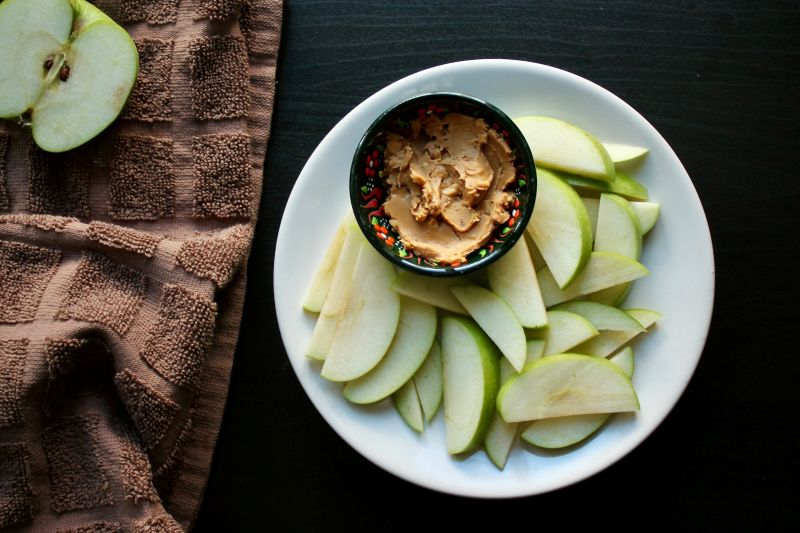
Apple slices with peanut butter
Crisp apples provide fiber and natural sweetness, while peanut butter adds protein and healthy fats. Use a thin layer for younger children and check for nut allergies first.
What are some healthy snacks for kids? Apple slices with peanut butter can be a good start. (Image by Unsplash)
Greek yogurt with berries
Plain Greek yogurt offers protein and calcium, while berries add fiber, vitamins, and natural sweetness. A small drizzle of honey can be added for children over age one if needed.
Banana with almond butter
Bananas are easy to eat and provide potassium and carbohydrates, while almond butter adds protein and fat. Slice the banana into manageable pieces for younger children.
Whole-grain crackers with cheese
This combination pairs carbohydrates with protein and calcium, making it more satisfying than crackers alone. Choose lower-sodium crackers when possible.
Carrot sticks with hummus
Carrots add crunch, fiber, and beta-carotene, while hummus contributes protein and healthy fats. For younger children, use cooked or thinly cut carrots to reduce choking risk.
Hard-boiled eggs
Eggs are a compact source of protein and several essential nutrients. They can be prepared ahead of time and paired with fruit or whole-grain toast for a more complete snack.
Cottage cheese with pineapple
Cottage cheese provides protein and calcium, while pineapple adds sweetness and vitamin C. Choose unsweetened fruit when possible to keep added sugar lower.
Oatmeal with sliced banana
Warm oatmeal offers whole grains and fiber, while banana adds natural sweetness and a softer texture. A small spoonful of nut butter can make it more filling.
Cucumber slices with cream cheese
Cool cucumber slices create a refreshing base, while cream cheese adds richness and a little protein. Keep portions moderate because cream cheese can be relatively high in saturated fat.
Homemade trail mix
Combine unsweetened cereal, dried fruit, seeds, and a small amount of nuts for older children. Avoid whole nuts for younger kids because they can pose a choking hazard.
Strawberries with yogurt dip
Fresh strawberries provide vitamin C and fiber, while yogurt adds protein and calcium. Cutting the berries into smaller pieces makes them easier to manage for younger children.
Avocado on whole-grain toast
Avocado contributes healthy fats and fiber, while whole-grain bread adds complex carbohydrates. Cut the toast into strips or small squares depending on the child’s age.
Edamame
Shelled edamame offers plant-based protein, fiber, and several vitamins and minerals. Serve it plain or lightly seasoned, and supervise younger children while eating.
Pear slices with cheese
Sweet pear pairs naturally with mild cheese, creating a mix of fiber, protein, and calcium. Thin slices are easier for younger children to chew safely.
Smoothie with fruit and yogurt
Blend fruit, plain yogurt, and milk or a suitable alternative for a quick snack. Avoid adding large amounts of juice or sweeteners so the drink stays nutrient-focused rather than dessert-like.
3. 12 Healthy Protein Snacks for Kids Who Get Hungry Again in 20 Minutes
A snack that disappears in two bites may not keep an active child satisfied for very long. For parents wondering what healthy protein snacks work well for kids, options that combine protein with fiber, healthy fats, or whole-food carbohydrates can provide a more balanced and satisfying snack.
Chicken and avocado bites
Pair small pieces of cooked chicken with avocado for a combination of protein and healthy fats. Adjust the size and texture for the child’s age.
Tuna cucumber bites
Top cucumber slices with a small amount of tuna for a fresh, protein-rich snack. Choose lower-sodium tuna when available.
Mini bean quesadilla
Fill a small whole-grain tortilla with mashed beans and a little cheese, then warm until soft. Cut it into manageable wedges before serving.
Tofu cubes
Soft or lightly baked tofu provides plant-based protein and can be served plain or with a mild seasoning or dip.
Kefir with fruit
Plain kefir provides protein and calcium in an easy-to-drink form. Blend or serve it with fresh fruit for natural sweetness.
Chia pudding
Chia seeds soaked in milk create a soft pudding containing protein, fiber, and healthy fats. Fruit can add sweetness without relying heavily on added sugar.
Mini chicken meatballs
Small homemade chicken meatballs can be prepared ahead and refrigerated for quick snacks. Keep seasoning mild and portions age-appropriate.
Mashed white beans on toast
Mash cooked white beans and spread them over a small piece of whole-grain toast for plant protein, fiber, and carbohydrates.
Roasted lentil bites
Cooked lentils can be incorporated into small homemade bites for a plant-based snack containing both protein and fiber.
Pumpkin seed energy bites
Ground pumpkin seeds can be combined with oats and other simple ingredients to make soft homemade bites. Ground seeds are easier to incorporate safely for younger children.
Black bean and avocado cup
Combine mashed black beans with avocado for a creamy snack containing plant protein, fiber, and healthy fats.
Chicken and sweet potato bowl
Small pieces of cooked chicken and soft sweet potato provide protein and carbohydrates in a simple, filling combination.
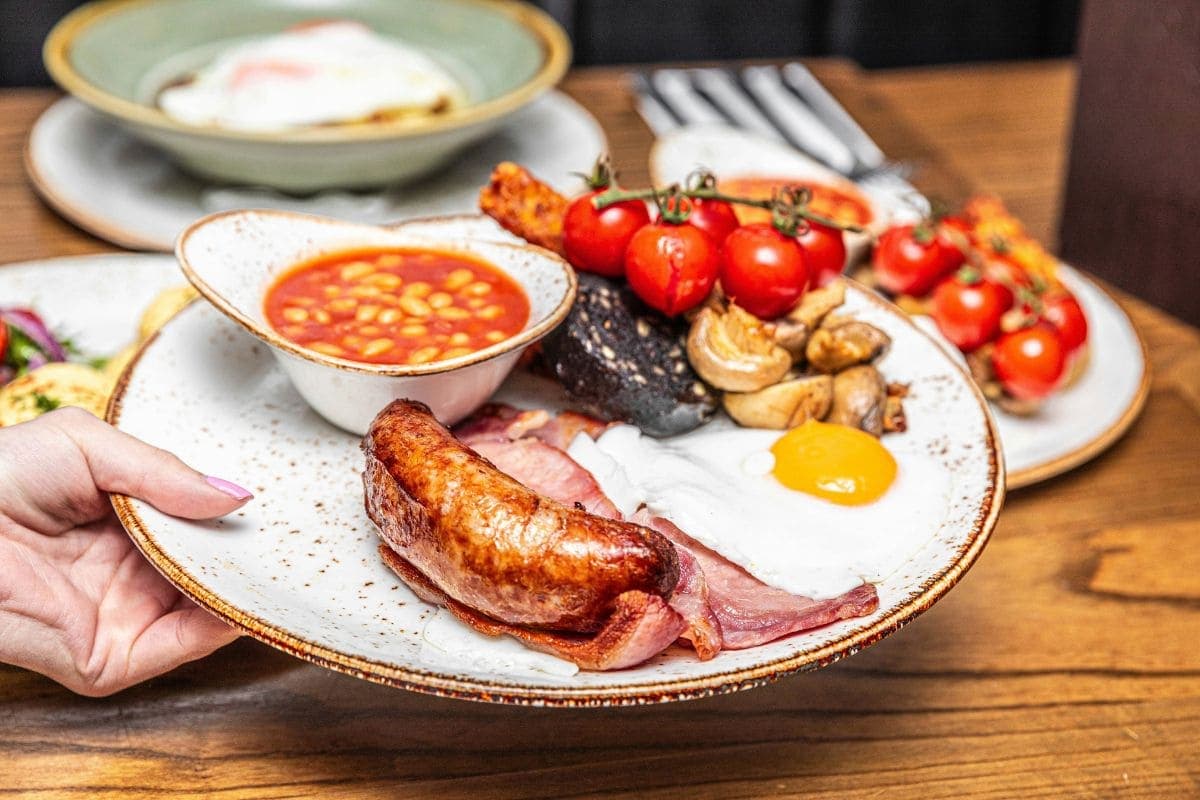
Choose protein-rich snacks to help keep hungry kids satisfied between meals. (Image by Unsplash)
4. What are Healthy Non Processed Snacks for Kids?
Protein can make snack time more satisfying, especially for kids who feel hungry again soon after eating. For parents who want to find protein-rich, healthy snacks for kids, simple combinations of dairy, eggs, legumes, nuts, seeds, and whole foods can provide staying power without making snacks overly heavy.
Banana with cinnamon
Slice a ripe banana and add a little cinnamon for a naturally sweet, fiber-rich snack with no added sugar.
Baked sweet potato
A soft baked sweet potato provides fiber and carbohydrates. Serve it mashed, cubed, or cut into age-appropriate pieces.
Fresh pear with chia seeds
Pear provides natural sweetness, water, and fiber. Chia can add extra fiber when prepared and served appropriately for the child’s age.
Homemade banana oat bites
Combine mashed banana with plain oats and bake into soft bites for a simple alternative to packaged snack bars.
Roasted chickpeas
Roasted chickpeas offer plant protein and fiber. They are best suited to older children who can safely handle crunchy foods.
Homemade trail mix
For older kids, combine suitable nuts, seeds, and unsweetened dried fruit for an easy snack with more control over added sugar and salt.
Frozen fruit
Frozen banana, mango, or berries can replace highly sweetened frozen treats. Adjust the size and texture for younger children to reduce choking risk.
5. Practical Tips for Making Healthy Snacks Easier All Week
Healthy snacks become much easier to maintain when preparation happens before hunger strikes.
Instead of deciding what to serve each time, a few simple habits can make nutritious choices quicker and more convenient throughout the week.
Prep ingredients once or twice a week: Wash fruit, cook eggs, portion yogurt, or prepare other ingredients ahead of time so snacks require minimal work on busy days.
Create a dedicated snack zone: Keep suitable options together in one refrigerator drawer, pantry basket, or shelf. Older children can quickly see what is available without searching through the kitchen.
Pre-portion grab-and-go servings: Divide larger packages into smaller containers based on age-appropriate portions. This saves time and makes it easier to pack snacks for school, activities, or outings.
Pair food groups instead of serving one item alone: Combine protein or healthy fat with fruit, vegetables, or whole grains. For example, pair fruit with yogurt rather than automatically reaching for another packaged snack.
Rotate a few choices each week: There is no need to prepare a completely different snack every day. Choose several reliable combinations and change one or two options weekly to maintain variety without creating extra work.
Keep backup snacks available: Store a few shelf-stable choices for days when fresh ingredients run out, or there is no time for preparation.
Use clear containers when practical: Visible ingredients are easier to remember and use before they spoil. Labeling prepared foods with the date can also help with rotation.
Let kids help with weekly prep: Depending on age, children can wash produce, portion crackers, fill containers, or choose combinations for the week. Giving them some involvement may also make unfamiliar foods feel more approachable.
Match preparation to the child’s age: Cut, cook, or modify foods when necessary to reduce choking risks. Snack convenience should never come at the expense of age-appropriate texture and serving size.
Packaged foods, snack frequency, and school allergy rules can make everyday snack planning feel less straightforward than it seems. A few simple guidelines can help parents balance convenience, nutrition, and safety without turning snack time into a complicated routine
Are packaged snacks unhealthy for kids?
Not necessarily. Some packaged snacks can fit into a balanced diet if they are lower in added sugar and sodium and provide useful nutrients such as fiber, protein, or whole grains. Checking the nutrition facts label and ingredient list is more helpful than judging a product by packaging claims alone.
What are some healthy on-the-go snacks for kids?
Portable options include fresh fruit, cheese sticks, plain yogurt pouches, whole-grain crackers, unsweetened applesauce, and age-appropriate trail mix. Choose snacks that travel well, require little preparation, and are easy for children to eat safely away from home.
How often should kids have snacks?
Many children do well with one to three planned snacks per day, depending on age, appetite, activity level, and meal timing. Snacks are generally most useful when spaced between meals rather than offered continuously, which can reduce appetite at regular mealtimes.
What are good nut-free school snacks?
Nut-free options can include fresh fruit, vegetables with hummus, cheese and whole-grain crackers, yogurt, boiled eggs, popcorn for older children, or seed-based spreads if school rules allow them. Always check the school’s allergy policy, since restrictions can differ by classroom or campus.
7. Final Thoughts
Nutritious snacks can support steady energy, growth, and better eating habits when they combine simple ingredients with flavors children actually enjoy. Building healthy snacks for kids around fruit, vegetables, protein, whole grains, and age-appropriate portions keeps snack time both practical and balanced. Rotating options also helps prevent boredom without relying too heavily on processed foods.
For more useful family, lifestyle, and everyday guides, explore TAG Mobile.
Share
TAG Blog
Stories, guides, and helpful updates for staying connected.