7 Health Food Stores Near Me: Find Natural & Specialty Groceries Nearby
Shopping for healthier groceries often means looking beyond regular aisles and finding stores with natural, organic, allergy-friendly, or specialty products. When you search health...
Quincy D.-Oct 20, 2026
Image by Unsplash
Table of Contents
Shopping for healthier groceries often means looking beyond regular aisles and finding stores with natural, organic, allergy-friendly, or specialty products.
When you search health food stores near me, you can compare nearby places for fresh produce, whole foods, supplements, plant-based items, and diet-specific staples. The right store can make meal planning easier, especially when you need trusted ingredients for daily wellness.
1. What Is a Health Food Store?
Health food stores are grocery retailers that focus on natural, organic, minimally processed, and wellness-oriented products. Many carry foods for specific dietary needs, such as gluten-free, vegan, keto, low-sugar, dairy-free, or non-GMO options.
Some stores also sell vitamins, supplements, herbal products, personal care items, and eco-friendly household goods, making them useful for shoppers who want more specialized choices than a standard supermarket.
Organic fruits and vegetables
Whole grains, beans, nuts, and seeds
Gluten-free, vegan, keto, or dairy-free foods
Plant-based meat and milk alternatives
Natural snacks, cereals, and pantry staples
Vitamins, minerals, probiotics, and supplements
Herbal teas, protein powders, and wellness drinks
Natural skincare, body care, and household products
2. Health Food Stores Near Me: What Should You Look For?
Not every wellness-focused store offers the same products, prices, or quality standards.
Before choosing natural health food stores near me, compare the store type, product selection, freshness, labels, and whether it matches your diet, budget, and shopping routine.
Type of Health Food Store
Best For
What to Look For
Organic Grocery Store
Fresh produce and clean-label pantry staples
Certified organic fruits, vegetables, grains, dairy, and packaged foods
Natural Food Market
Everyday healthier grocery swaps
Minimally processed foods, natural snacks, whole grains, and simple ingredients
Supplement Store
Vitamins and wellness products
Clear labels, trusted brands, dosage guidance, and third-party testing when available
3. Top 7 Health Food Stores Near Me Now in the U.S
Wellness grocery shopping looks different for every household, especially when diets, budgets, and product labels matter.
When searching health food stores near me, compare national chains with smaller neighborhood markets so you can find the right mix of fresh food, pantry staples, and specialty wellness items.
Whole Foods Market
Whole Foods Market is one of the most recognized health-focused grocery chains in the U.S. It is often a strong choice for organic produce, responsibly sourced meat and seafood, plant-based foods, prepared meals, supplements, and natural personal care products.
Shoppers who want clear labels, specialty diet sections, and a wide variety of premium brands may find it convenient. Prices can be higher than standard supermarkets, so checking weekly deals, store brands, and app offers can help manage the final bill.
Sprouts Farmers Market
Sprouts Farmers Market is popular for fresh produce, bulk foods, vitamins, natural groceries, and wellness products. Its layout often feels more like a farmers market than a large supermarket, making it easier to browse fruits, vegetables, nuts, grains, and healthier snacks.
This store can be useful for shoppers looking for organic options, gluten-free foods, dairy alternatives, and affordable produce
Sale items and seasonal promotions may make Sprouts a practical stop for building healthier meals without relying only on expensive specialty products.
Natural Grocers
Natural Grocers focuses heavily on organic produce, natural foods, supplements, and nutrition education. Many locations emphasize carefully selected products, which can help shoppers who want stricter ingredient standards and fewer highly processed choices.
This chain may appeal to people looking for vitamins, probiotics, herbs, clean pantry staples, and diet-specific groceries. If you are comparing local health food stores near me, Natural Grocers can be a helpful option when available in your area.
The Fresh Market
The Fresh Market offers a curated grocery experience with fresh produce, quality meats, seafood, bakery items, prepared foods, and specialty pantry goods.
It may not feel like a traditional health food store, but many shoppers use it for fresher ingredients and better meal-building options.
This store can work well for people who want fresh proteins, seasonal produce, salads, nuts, and chef-inspired prepared foods. Since some items may be more indulgent, shoppers should still read labels and compare ingredients before assuming every product is health-focused.
Trader Joe’s
Trader Joe’s is known for affordable private-label products, frozen meals, snacks, produce, plant-based items, and creative pantry staples. While it is not a pure health food store, many shoppers use it for convenient healthier swaps and budget-friendly specialty foods.
Good picks may include frozen vegetables, whole grains, nuts, hummus, salad kits, Greek yogurt, tofu, and simple frozen entrées.
Since some packaged items can still be high in sodium, sugar, or saturated fat, checking labels remains important.
Local Food Co-Ops
Local food co-ops are community-centered grocery stores that often focus on local produce, organic foods, bulk goods, sustainable products, and transparent sourcing. Many are owned or supported by members, but non-members can often shop there too.
Co-ops can be excellent for seasonal ingredients, local dairy, fresh bread, bulk grains, natural cleaning products, and wellness items. They may also support nearby farms and small producers, which makes them a good choice for shoppers who care about community-based food systems.
Independent Natural Food Stores
Independent natural food stores vary widely, but many offer specialty products that larger chains may not carry.
Shoppers may find organic groceries, herbal teas, supplements, vegan foods, gluten-free staples, local honey, fermented foods, and natural skincare.
These stores can be especially helpful for specific dietary needs or hard-to-find wellness products. Since selection and pricing differ by location, it is smart to call ahead or check online before visiting, especially for supplements, allergy-friendly items, or specialty ingredients.
Seven popular U.S. health food stores for fresh groceries, pantry staples, and specialty wellness products. (Image by Unsplash)
4. Natural vs. Organic: Know What You’re Shopping For
Product labels can sound similar, but “natural” and “organic” do not always mean the same thing.
Knowing the difference helps shoppers choose products based on standards, ingredients, budget, and personal wellness goals instead of relying only on front-label claims.
Label
What It Usually Means
What to Check Before Buying
Natural
Often suggests fewer artificial ingredients, colors, or preservatives, but standards can vary by product category.
Read the ingredient list because “natural” does not always mean low-sugar, low-sodium, organic, or minimally processed.
Organic
Usually refers to foods produced under certified organic standards, including rules for farming, pesticides, and handling.
Look for official organic certification, especially on produce, dairy, meat, grains, and packaged foods.
Non-GMO
Means the product is made without genetically modified ingredients, based on the label or certification used.
Non-GMO does not automatically mean organic, healthier, or less processed, so compare the full nutrition label.
Gluten-Free
Means the product is made without gluten-containing ingredients and may meet gluten-free labeling standards.
Important for celiac disease or gluten sensitivity, but gluten-free snacks can still be high in sugar, fat, or calories.
Plant-based
Usually made mostly or entirely from plants, such as vegetables, grains, beans, nuts, or soy.
Check protein, sodium, saturated fat, and added oils because some plant-based foods are still highly processed.
Clean Label
Suggests simple or recognizable ingredients, but the term is not always strictly regulated.
Focus on the actual ingredient list instead of marketing words on the front of the package.
5. How to Find a Health Food Store Online That Carries What You Need
Online searches are useful, but your phone can make the process faster by showing nearby stores, directions, hours, reviews, and current product information. For specialty items like supplements, gluten-free bread, organic produce, or dairy-free products, checking before you go can save time.
Finding the right health food store often starts with a simple search, but staying connected helps you compare choices while you are moving through the day.
The Lifeline Program helps eligible low-income consumers lower the cost of monthly phone service, which can support daily communicating needs. The benefit is limited to one per household, so applicants should make sure no one else in the household is already receiving Lifeline.
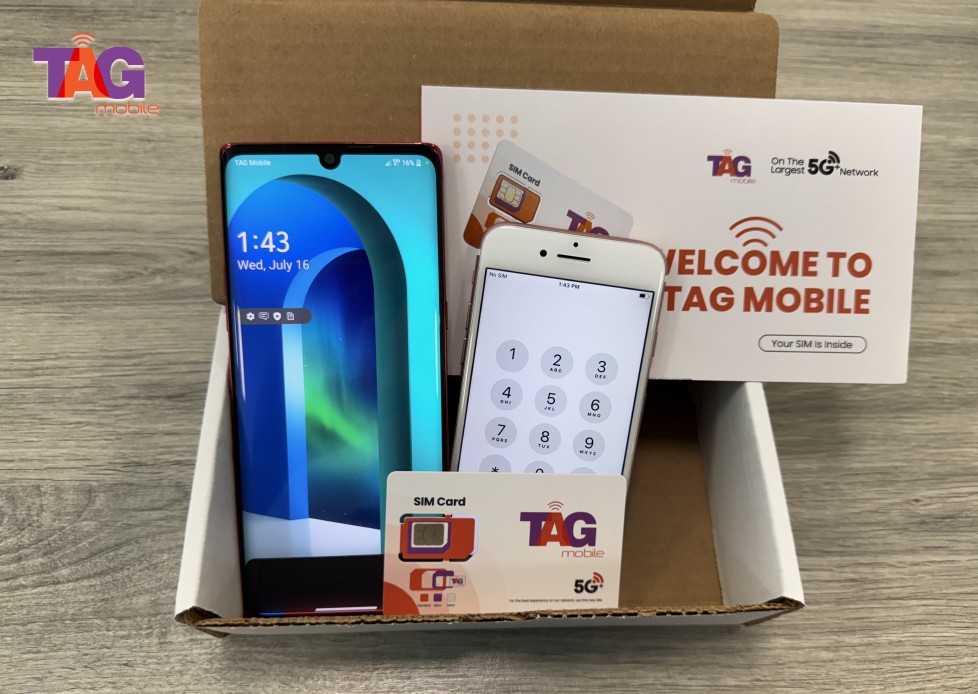
TAG Mobile is an Eligible Telecommunications Carrier that participates in the initiative as an authorized carrier. Through TAG Mobile, qualified users can get access to Lifeline-supported service and various device options.
Eligible customers can check qualification and apply through TAG Mobile by following a few basic steps.
Confirm your Lifeline eligibility: Check whether you qualify through household income or participation in an eligible government assistance program before starting the application.
Enter your ZIP code: Visit TAG Mobile and provide your ZIP code to see the Lifeline service, plans, and device offers available in your area.
Review the available plan: Compare the plan benefits shown for your location, including applicable talk, text, and data allowances.
Choose a device, or BYOD option: Select an eligible free or discounted phone if an offer is available, or choose Bring Your Own Device (BYOD) when supported.
Complete the application: Enter your legal name, date of birth, residential address, contact details, and other required household information accurately.
Complete eligibility verification: Follow the applicable verification process. You may be asked to provide proof of income, qualifying program participation, identity, or address.
Review and submit your application: Double-check your personal information, selected plan, device, and any applicable device charges before submitting.
Wait for approval and order processing: Once your eligibility and application are approved, TAG Mobile can process your service and qualifying device order.
Receive your device: Approved device orders are generally delivered within 7-10 business days, although timing may vary with inventory and shipping conditions.
Finally, follow the provided instructions to activate your phone and SIM/eSIM and begin using your Lifeline-supported service.
TAG Mobile is the one of the most trusted Lifeline provider choices for eligible US residents.
Note: Eligibility varies by state and program. Offers depend on availability and qualifications. TAG Mobile operates under the federal Lifeline Program as an Eligible Telecommunications Carrier (ETC). Service is non-transferable and limited to one service per household.
6. Final Thoughts
The right health food store depends on more than distance, especially when you are shopping for specific ingredients, dietary products, or supplements. Before heading out for health food stores near me, compare product selection, prices, hours, and availability so you can choose a location that fits your needs. A little preparation can make each shopping trip more focused and convenient.
TAG Mobile’s connectivity options may also help eligible consumers access store information, directions, and other useful online resources. Make sure to check out the newest guides!
Share
TAG Blog
Stories, guides, and helpful updates for staying connected.