Free Groceries Near Me: Top 11 Programs, Pantries, and Apps for Food Aid
When grocery costs put pressure on your budget, knowing where to find local food assistance can make a real difference. Resources such as food banks, mobile pantries, benefit progr...
Quincy D.-Nov 25, 2026
Image by Unsplash
Table of Contents
When grocery costs put pressure on your budget, knowing where to find local food assistance can make a real difference. Resources such as food banks, mobile pantries, benefit programs, and community sharing networks may provide different forms of support.
This guide explains where to find free groceries near me, how to compare available options, and what to consider before choosing a program that meets your household’s needs.
1. Top Programs and Places Provide Free Groceries Near Me
Some programs provide immediate grocery pickup, while others offer monthly benefits or connect households with nearby distribution sites.
When comparing free groceries near me, these national programs and local resources can help cover different needs, from emergency food boxes to longer-term nutrition support.
Feeding America Food Bank Network
Feeding America works through a nationwide network of food banks and local partner agencies. Entering your ZIP code can help identify regional food banks, nearby pantries, mobile distributions, and other grocery assistance options.
Best for: Finding established local food networks
What you may receive: Pantry staples, produce, dairy, meat, or emergency grocery boxes
United Way 211 Local Food Helpline
Calling 211 can connect households with grocery assistance, meal programs, utility help, housing resources, and other community services. Specialists may also identify which nearby programs are currently open and explain whether registration or documentation is required.
Best for: Urgent local referrals
Useful when: You are unsure which organization to contact first
FoodFinder Local Pantry Locator
FoodFinder helps users locate nearby pantries and distribution sites based on location. Listings may include addresses, operating hours, contact details, and service information, making it easier to compare nearby options before traveling.
Best for: Quick location-based searches
Useful for: Pantry schedules and pickup details
WhyHunger Find Food Database
WhyHunger connects households with community-based food resources and anti-hunger organizations. Its tools can help identify pantries, meal programs, and local support networks that may not always appear in broader national searches.
Best for: Community-level assistance
Useful for: Finding smaller local organizations and support programs
The Salvation Army Community Food Pantries
Many Salvation Army locations operate food pantries, grocery distributions, or emergency meal programs depending on local resources. Services vary by branch, so contacting the nearest location can clarify current availability.
Best for: Short-term emergency support
What you may receive: Grocery bags, pantry staples, or prepared meals
Supplemental Nutrition Assistance Program (SNAP)
SNAP provides monthly grocery benefits to eligible households through an EBT card. Unlike one-time pantry assistance, SNAP can help households purchase approved groceries regularly at participating retailers.
Best for: Ongoing grocery assistance
Eligibility: Generally based on income, household circumstances, and state rules
Women, Infants, and Children (WIC) Nutrition Program
WIC provides nutrition support for qualifying pregnant and postpartum women, infants, and children under age five. Benefits can cover specific nutritious foods while also connecting families with nutrition education and healthcare referrals.
Best for: Pregnant women and families with young children
What you may receive: Benefits for milk, eggs, produce, cereal, infant foods, and other approved items
Commodity Supplemental Food Program (CSFP) for Seniors
CSFP provides monthly food packages to qualifying low-income adults age 60 and older in participating areas. Packages are designed to supplement diets rather than cover every grocery need.
Best for: Eligible older adults
What you may receive: Shelf-stable foods, canned items, grains, dairy products, and other USDA foods
National School Lunch and Summer Food Service Programs
USDA child nutrition programs help children access nutritious meals during the academic year and school breaks. Depending on the program and location, breakfast, lunch, snacks, or summer meals may be available at no cost.
Best for: School-age children and families
Useful when: Household grocery needs increase during school breaks
Olio Neighborhood Food Sharing App
Olio allows individuals and participating businesses to share surplus food with people nearby. Availability changes constantly, but users may find bread, produce, packaged items, or other groceries offered at no cost.
Best for: Flexible neighborhood-based sharing
Useful for: Supplementing other forms of free groceries near me
Local Churches, Community Centers, and Mobile Food Drives
Neighborhood churches, community centers, schools, and nonprofits often organize recurring or one-time grocery distributions. These events can be especially useful when larger programs have long waits or limited appointment availability.
Best for: Local and same-day assistance
What you may receive: Grocery boxes, produce, pantry staples, or seasonal packages
2. How to Choose the Fastest Free Grocery Option by Situation?
Speed matters when groceries are running low, but not every resource works on the same timeline.
Choosing among free groceries near me becomes easier when you match the type of assistance to your immediate situation.
Need Groceries Today: Call 211, check nearby pantries, community fridges, churches, and same-day distribution calendars.
Need Several Days of Food: Look for food bank partner pantries or mobile distributions that provide larger grocery boxes.
Need Ongoing Monthly Help: Apply for SNAP if your household meets income and eligibility requirements.
Pregnant or Caring for Young Children: Check WIC for food benefits and nutrition support.
Age 60 or Older: Explore CSFP, senior meal programs, and pantry delivery options.
Cannot Travel Easily: Ask local pantries, senior programs, and community organizations whether grocery delivery is available.
Need Weekend Assistance: Check churches, mobile distributions, community centers, and neighborhood event pages for Saturday or Sunday schedules.
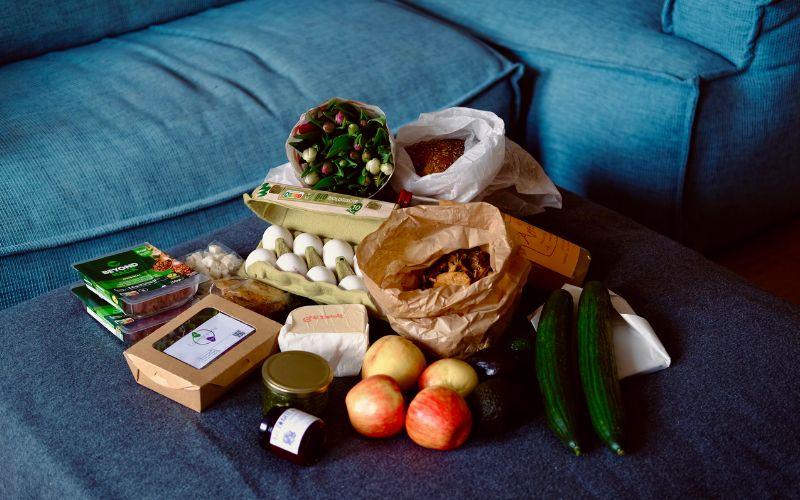
Find the quickest free grocery assistance based on your needs and urgency. (Image by Unsplash)
3. What Other Assistance Can Help You Manage Household Expenses?
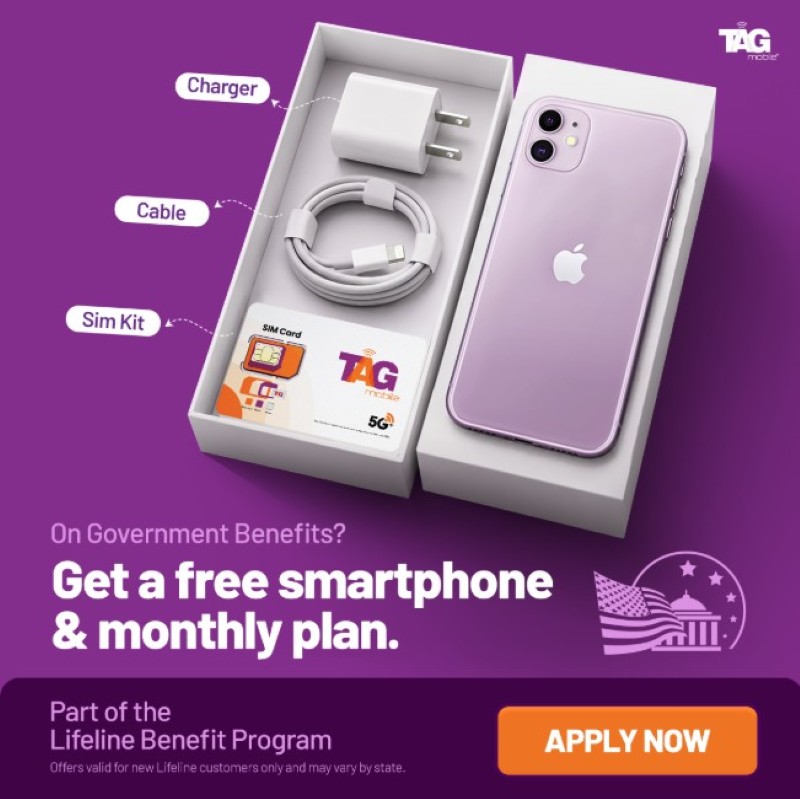
Grocery assistance can take pressure off one part of the budget, but households still have recurring expenses such as phone service, utilities, housing, and transportation. For those who qualify, Lifeline can reduce the cost of qualifying phone or internet service.
The benefit is available through participating providers, including TAG Mobile, an Eligible Telecommunications Carrier (ETC). Qualifying customers can receive Lifeline-supported wireless service with monthly talk, text, and data, while TAG may also provide additional benefits of its own.
Depending on your ZIP code, eligibility, inventory, and current offers, those extras may include free or discounted smartphones, free delivery, and additional calling features. This can reduce both the ongoing cost of staying connected and, when an eligible device offer is available, some of the upfront cost of getting a phone.
Check Whether You Qualify for Lifeline Through TAG Mobile
You may qualify for Lifeline through either household income or participation in an approved government assistance program.
Program-Based Eligibility: Participation in SNAP, Medicaid, Supplemental Security Income (SSI), Federal Public Housing Assistance (FPHA), Veterans Pension or Survivors Benefit, or certain qualifying Tribal assistance programs.
Income-Based Eligibility: Household income at or below 135% of the Federal Poverty Guidelines.
How to Apply for TAG Mobile Lifeline Service
If you meet the eligibility requirements, follow these steps to apply for TAG Mobile service and check available device offers:
Check Your Eligibility: Confirm that you participate in SNAP or another qualifying assistance program, or that your household income meets Lifeline requirements.
Check ZIP Code Availability: Visit TAG Mobile’s website and enter your ZIP code to see which Lifeline plans and device offers are available in your area.
Complete the Application: Provide your full name, date of birth, residential address, and other requested personal information.
Verify Your Eligibility: Complete the required Lifeline verification. If your current qualifying benefit cannot be confirmed automatically, submit an accepted benefits statement or approval letter when requested.
Submit Your Order: Review your application and order details, then submit them for processing. Approved orders typically take around 7-10 business days to ship and arrive, depending on processing time and availability.
See if you qualify for Lifeline, and apply through TAG Mobile to claim the best free phone and plan.
Note: Eligibility varies by state and program. Offers depend on availability and qualifications. TAG Mobile operates under the federal Lifeline Program as an Eligible Telecommunications Carrier (ETC). Service is non-transferable and limited to one service per household.
4. FAQs about Finding Free Groceries
Local grocery assistance does not follow one universal set of rules, so eligibility, delivery, pickup, and documentation can differ by program. When comparing free groceries near me, checking those details first can save time and help you choose the right option.
Do food pantries require proof of income?
Not always. Some pantries ask for income details or household information, while others provide groceries with little or no formal verification.
Can I get free groceries if I have a job?
Yes. Employment does not automatically disqualify you from assistance, especially if household income is still within the program’s limits or you are experiencing temporary financial hardship.
Are there free grocery delivery programs for seniors?
Yes, some senior nutrition programs, local pantries, and community organizations offer grocery or meal delivery for older adults. Availability depends on age, mobility, service area, and local resources.
Can I order free groceries online for pickup?
Sometimes. Certain food banks, pantries, and nonprofit programs allow online registration or scheduled pickup, but availability varies by location and program capacity.
What should I bring when visiting a food pantry?
Bring any documents the pantry requests, such as photo ID, proof of address, or household information. Reusable bags, boxes, or a cart can also make transporting groceries easier.
Access to grocery assistance can make everyday expenses more manageable, especially when households know which local resources match their needs. If you need free groceries near me, check each program’s eligibility criteria, distribution schedule, and pickup requirements before making a visit.
For more practical tips on saving money, finding community support, and managing household expenses, read other helpful articles on the TAG Mobile blog.
Share
TAG Blog
Stories, guides, and helpful updates for staying connected.