Food That Starts With P: How Many of 40+ Global Dishes Have You Tried?

Pizza and pancakes might come to mind first, but the letter P has a lot more to offer. From Spanish paella and Italian pesto to Indian pakora and Filipino pancit, food that starts...

Quincy D.-Nov 11, 2026
Food That Starts With P: How Many of 40+ Global Dishes Have You Tried?
Image by Unsplash

Table of Contents

Pizza and pancakes might come to mind first, but the letter P has a lot more to offer. From Spanish paella and Italian pesto to Indian pakora and Filipino pancit, food that starts with P covers an impressive mix of flavors, ingredients, and cooking traditions.

Some dishes are easy to make at home, while others might inspire your next restaurant order. How many have you already tried?

1. 40+ Foods That Start With P

There’s a whole world of P-foods beyond the usual pizza, pasta, and potatoes.

If you’ve ever asked what is a food that starts with P, this list takes you through familiar favorites and international specialties, with a quick look at their protein sources and nutritional benefits.

Pizza

Few dishes are as customizable as this Italian favorite. Pizza combines a baked dough crust and tomato sauce with melted cheese alongside various protein and vegetable toppings.

  • Protein: Cheese, meat, or plant-based toppings.
  • Health benefits: Can provide protein and calcium; vegetable toppings add fiber and micronutrients.

Pasta

From spaghetti to penne, pasta is a versatile Italian staple served with countless sauces. Whole-grain and legume-based varieties offer additional nutritional options.

  • Protein: Wheat, eggs, or legumes, depending on the pasta.
  • Health benefits: Provides energy; whole-grain varieties contribute fiber.

Paella

Saffron-seasoned rice forms the heart of this Spanish dish, traditionally associated with Valencia.

Depending on the version, a mixture of savory proteins and fresh produce completes the meal.

  • Protein: Chicken, rabbit, seafood, or beans.
  • Health benefits: Can provide protein, minerals, and nutrients from vegetables.

Pad Thai

Thailand’s famous stir-fried noodle dish balances sweet, sour, salty, and savory flavors. Rice noodles are tossed in tamarind sauce along with a blend of proteins and fresh garnishes.

  • Protein: Eggs, tofu, shrimp, or chicken.
  • Health benefits: Provides protein and energy; vegetables add nutrients.

Pesto

A blend of fresh aromatic herbs, nuts, quality oil, and hard cheese creates this fragrant Italian sauce. It’s commonly tossed with pasta or spread onto sandwiches.

  • Protein: Pine nuts and cheese.
  • Health benefits: Supplies unsaturated fats and some calcium.

Pierogi

These Polish dumplings come packed with a variety of sweet or savory fillings. Boiling gives them a tender texture, while pan-frying adds golden edges.

  • Protein: Cheese, meat, or dough.
  • Health benefits: Provides energy and potentially protein, depending on the filling.

Poutine

Canada’s comforting combination of fries topped with cheese curds and rich gravy is hard to resist. The hot gravy softens the cheese and coats every bite.

  • Protein: Cheese curds and gravy ingredients.
  • Health benefits: Provides some protein and calcium, though often high in sodium and calories.

Pho

Warm, aromatic broth gives this Vietnamese noodle soup its distinctive character. Rice noodles, fresh herbs, and thin slices of meat or plant protein make it especially satisfying.

If you’re wondering what is a food that starts with the letter P, pho is a flavorful example with roots in Vietnamese cuisine.

  • Protein: Beef, chicken, or tofu.
  • Health benefits: Can supply protein and fluids; sodium varies by broth.

Pancit

Noodles take center stage in this Filipino favorite, often stir-fried with a colorful mix of proteins and garden produce. Different regional versions use rice or wheat noodles.

  • Protein: Chicken, pork, shrimp, or tofu.
  • Health benefits: Offers protein and vegetables in a single dish.

Pakora

Crispy on the outside and tender inside, these South Asian fritters feature seasoned batter-fried garden produce, making them a popular food that starts with P for snack lovers.

  • Protein: Chickpea flour.
  • Health benefits: Provides some plant protein and fiber, though frying adds fat.

Pani Puri

Small, hollow, crispy shells filled with spiced legume fillings alongside flavorful dipping water make this South Asian street snack wonderfully refreshing.

  • Protein: Chickpeas and other legumes.
  • Health benefits: Legume fillings contribute fiber and plant protein.

Poke

A delicious blend of seasoned seafood and fresh bowl ingredients comes together in this Hawaiian-inspired bowl format. Traditional Hawaiian poke centers on seasoned pieces of seafood.

  • Protein: Tuna, salmon, tofu, or other seafood.
  • Health benefits: Can provide protein, healthy fats, and vegetables.

Polenta

Made from cooked cornmeal, this Italian staple can be served creamy or cooled, sliced, and grilled. Its mild flavor pairs well with sauces.

  • Protein: Cornmeal, with cheese or milk if added.
  • Health benefits: Provides carbohydrates for energy; toppings influence nutritional value.

Pita

Soft and slightly chewy, pita is a popular flatbread across the Mediterranean and Middle East. Its pocket makes it ideal for stuffing with fillings.

  • Protein: Wheat flour.
  • Health benefits: Whole-wheat pita can provide additional fiber.

Pide

Often described as Turkish flatbread, pide can be topped with a variety of savory ingredients before baking until golden.

  • Protein: Meat, cheese, eggs, or flour.
  • Health benefits: Can supply protein and energy; vegetables add nutrients.

Peking Duck

Crispy skin and tender meat make this Chinese specialty instantly recognizable. It’s traditionally served with thin pancakes, scallions, and a savory sauce.

  • Protein: Duck meat.
  • Health benefits: Provides protein, iron, and vitamin B12.

Pupusa

El Salvador’s beloved stuffed corn cakes come packed with a variety of savory fillings. They’re commonly served with curtido, a tangy cabbage slaw.

  • Protein: Beans, cheese, or pork.
  • Health benefits: Can provide protein and fiber, particularly with bean fillings.

Pav Bhaji

Mumbai’s famous street-food favorite pairs buttery bread rolls with a richly spiced vegetable mash. A richly mashed blend of seasoned vegetables creates its comforting texture.

  • Protein: Peas and other vegetables.
  • Health benefits: Supplies carbohydrates, fiber, and various micronutrients.

Piri Piri Chicken

A fiery citrus-chili marinade gives this Portuguese-influenced chicken dish its signature kick.

Grilling adds smoky flavor without requiring heavy breading, making it a flavorful food that starts with P for anyone who enjoys spicy dishes.

  • Protein: Chicken.
  • Health benefits: Provides protein and B vitamins.

Po’ Boy

Louisiana’s iconic sandwich comes packed with hearty fried fillings inside French bread, finished with classic sandwich toppings.

  • Protein: Shrimp, oysters, or roast beef.
  • Health benefits: Provides protein; grilled or roasted fillings may contain less added fat.

Pulled Pork

Slow cooking transforms pork shoulder into tender, easily shredded meat. This American barbecue favorite is often served in sandwiches with sauce and coleslaw.

  • Protein: Pork.
  • Health benefits: Supplies protein, thiamin, and vitamin B12.

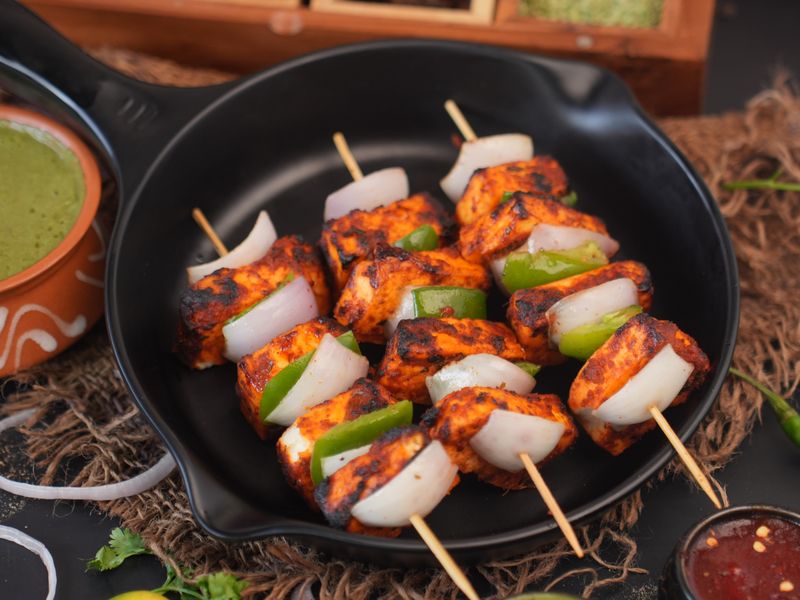
Paneer Tikka

Indian paneer cubes are marinated in yogurt and spices before grilling or roasting. Bell peppers and onions often join the skewers for extra flavor.

  • Protein: Paneer and yogurt.
  • Health benefits: Provides protein and calcium.
what-is-a-food-that-starts-with-p
Paneer Tikka is a North Indian vegetarian appetizer made from cubes of firm Indian cottage cheese and vegetables. (Image by Pexels)

Paratha

Golden, flaky layers make this South Asian flatbread especially satisfying. Some versions are plain, while others contain potatoes, paneer, or spiced vegetables.

  • Protein: Wheat flour, paneer, or other fillings.
  • Health benefits: Provides energy; whole-wheat versions contribute fiber.

Pappardelle

Wide ribbons of pasta are particularly good at holding hearty sauces. Italian recipes often pair pappardelle with slow-cooked meat ragù or mushrooms.

  • Protein: Wheat, eggs, and optional meat.
  • Health benefits: Supplies energy and protein, depending on ingredients.

Porridge

Warm bowls of cooked oats or other grains make an easy breakfast. A mix of healthy toppings can turn a simple serving into something more filling.

  • Protein: Grains, milk, nuts, or seeds.
  • Health benefits: Whole-grain versions provide fiber and sustained energy.

Pancakes

Fluffy, golden pancakes are a breakfast favorite in many countries. They’re typically prepared from a basic batter and served with various sweet toppings.

  • Protein: Eggs, milk, and flour.
  • Health benefits: Provides energy; fruit and whole grains improve nutritional variety.

Papaya

Sweet orange flesh and a soft, buttery texture make this tropical food that starts with P refreshing on its own. Papaya also works beautifully in smoothies and fruit salads.

  • Protein: Very small amounts.
  • Health benefits: Provides vitamin C, carotenoids, and fiber.

Pineapple

Tart sweetness makes pineapple a favorite for fruit salads, desserts, and savory dishes. Fresh chunks also pair surprisingly well with grilled foods.

  • Protein: Very small amounts.
  • Health benefits: Supplies vitamin C, manganese, and fiber.

Pomegranate

Inside its tough outer skin are hundreds of juicy, ruby-colored arils. Their sweet-tart flavor adds a refreshing contrast to fresh salads and breakfast dishes.

  • Protein: Small amounts in the arils.
  • Health benefits: Provides fiber and antioxidant plant compounds.

Pistachios

Small green nuts deliver a satisfying crunch and subtly sweet flavor. Enjoy them roasted or incorporated into savory dishes and desserts.

  • Protein: Plant-based protein.
  • Health benefits: Provides fiber, unsaturated fats, and vitamin B6.

Pumpkin

Roasted, puréed, or simmered into soup, pumpkin is useful far beyond Halloween. Its naturally mild sweetness works in both savory recipes and baked treats.

  • Protein: Small amounts in the flesh.
  • Health benefits: Rich in beta-carotene, which the body converts into vitamin A.

Pear

Juicy pears range from crisp and refreshing to soft and buttery, depending on variety and ripeness. As a versatile food that starts with P, they’re delicious fresh or paired with fine cheese.

  • Protein: Very small amounts.
  • Health benefits: Provides fiber, especially when eaten with the skin.

Peach

Ripe peaches bring fragrant sweetness to summer desserts, salads, and snacks. Their juicy flesh is delicious fresh, grilled, or baked into cobblers.

  • Protein: Very small amounts.
  • Health benefits: Contributes vitamin C, fiber, and carotenoids.

Panna Cotta

This Italian dessert turns sweetened cream into a silky, delicate custard-like treat using gelatin. Berry sauces and fruit toppings provide a refreshing contrast.

  • Protein: Dairy and gelatin.
  • Health benefits: Provides some calcium, though often high in saturated fat and added sugar.

Pavlova

A fruit-topped meringue dessert makes this treat a showstopper. It’s especially popular in Australia and New Zealand.

  • Protein: Egg whites and dairy.
  • Health benefits: Fruit toppings contribute vitamins, though the dessert is high in added sugar.

Pecan Pie

Sweet, gooey filling and crunchy pecans make this dessert a Southern American favorite. It’s traditionally baked in a pastry crust and served in slices.

  • Protein: Pecans and eggs.
  • Health benefits: Pecans provide unsaturated fats, but the pie is calorie-dense.

Profiteroles

Light choux pastry shells become irresistible when filled with sweet creams and topped off with chocolate drizzle. Chocolate sauce often finishes these French-inspired treats.

  • Protein: Eggs, flour, and dairy.
  • Health benefits: Provides some protein and calcium, though typically rich in sugar and fat.

Poffertjes

These tiny Dutch pancakes are soft, fluffy, and traditionally served with butter and powdered sugar. Their bite-sized shape makes them easy to share.

Among the sweeter options for food that starts with P, poffertjes stand out for their delicate texture and simple toppings.

  • Protein: Eggs, milk, and flour.
  • Health benefits: Provides energy and some protein; toppings influence sugar content.

Paniyaram

Made from fermented rice and lentil batter, these South Indian dumplings are cooked in a special pan with rounded molds. Savory versions often contain spices.

  • Protein: Lentils.
  • Health benefits: Contributes carbohydrates and some plant protein.

Panzanella

Stale bread gets a delicious second life in this Tuscan salad. Crusty bread combined with fresh produce and simple dressings creates a satisfying salad.

  • Protein: Small amounts from bread.
  • Health benefits: Provides vegetables, fiber, and unsaturated fats from olive oil.

>>> Read More: What Is a Food That Starts With S? Incredible Foods You Might Not Know

2. How Do You Cook Healthy Meals Using P Ingredients at Home?

Healthy home cooking doesn’t have to mean giving up the foods you already enjoy.

With fresh produce, you can prepare balanced and flavorful meals by choosing the right cooking methods and pairing them with nutritious ingredients.

Build Colorful Bowls With Plant-Based Ingredients

Start with a base of healthy grains, then add roasted vegetables. Chickpeas or tofu can provide extra protein, while a light pesto dressing brings everything together.

Mixing fresh plant ingredients makes these bowls filling and easy to customize.

Roast Potatoes and Parsnips Instead of Deep-Frying

Roasting brings out the natural sweetness of parsnips and creates crispy edges on potatoes without requiring a deep fryer.

Cut them into similar-sized pieces, toss with olive oil and seasonings, then roast until tender and golden. Keep the skins on when appropriate for additional fiber.

Make Protein-Rich Meals With Peas and Pulses

Legumes and pulses work beautifully in hearty plant-based recipes. Combine them with tomatoes, onions, and spices for a satisfying plant-based dinner.

They’re affordable sources of protein and fiber, making them useful when you want to reduce meat consumption without sacrificing fullness.

Use Pesto to Add Flavor Without Heavy Sauces

Fresh pesto can make plain dishes taste much more interesting. Try blending aromatic herbs with nuts and oil, then adjust the amount to suit your meal.

Since pesto is energy-dense, a modest serving can deliver plenty of flavor.

Turn Fresh P-Fruits Into Naturally Sweet Snacks

Fresh tropical and orchard fruits can satisfy a sweet craving without needing much preparation.

Add them to plain yogurt, blend them into smoothies, or serve them alongside nuts. Choosing whole fruit more often than sweetened juices also helps you retain more of the natural fiber.

Choose Cooking Methods That Match Each Ingredient

Not every food that starts with P needs the same treatment. Steam peas to preserve their tender texture, grill peppers for smoky sweetness, roast pumpkin for deeper flavor, and poach pears for a simple dessert.

Matching the cooking method to the ingredient helps create delicious meals without relying on excessive oil or sugar.

food-that-starts-with-p-how-to-cook
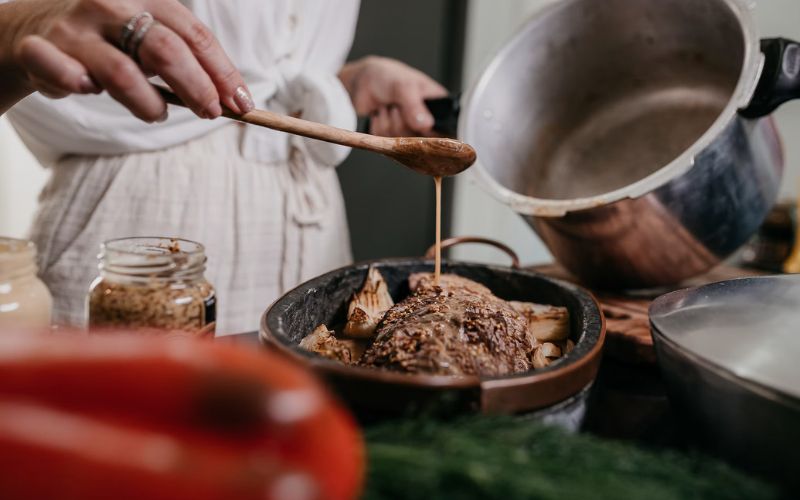
Cook healthy and flavorful meals from food that starts with P with fresh produce. (Image by Unsplash)

3. How Do You Store Fresh Produce to Prevent Early Spoiling?

Nothing is more disappointing than buying fresh fruit or vegetables only to find them soft, moldy, or wilted a few days later.

A little attention to temperature, moisture, and ripeness can help your produce stay fresh longer and reduce unnecessary food waste.

Keep Potatoes in a Cool, Dark, Well-Ventilated Place

Store potatoes in a cool, dark, well-ventilated area away from direct sunlight. Avoid tightly sealed plastic bags that trap moisture, and check regularly for sprouts, soft spots, or green areas.

According to the University of Minnesota Extension, potatoes intended for frying benefit from storage conditions that help prevent cold-induced sweetening, which can affect their color during cooking.

Refrigerate Peppers and Parsnips Properly

Fresh bell peppers and parsnips generally keep best in the refrigerator’s vegetable drawer.

Store peppers dry and unwashed until needed, while parsnips benefit from a perforated bag that limits moisture loss.

Let Peaches and Pears Ripen Before Chilling

Firm peaches and pears can continue ripening at room temperature. Once they reach your preferred ripeness, transfer them to the refrigerator to slow further softening.

Proper storage helps preserve the flavor and texture of fresh food that starts with P, especially delicate fruits like peaches and pears.

Store Pineapple and Papaya Based on Ripeness

Whole pineapples can be kept briefly at room temperature, although refrigeration may help maintain their quality for longer.

Unlike pineapple, unripe papaya can continue ripening at room temperature before being refrigerated.

Once either fruit is cut, store it in a covered container in the refrigerator.

Keep Fresh Peas Cold and Use Them Quickly

Fresh peas gradually lose sweetness after harvesting as their natural sugars convert to starch. Keep them refrigerated and prepare them as soon as practical for the best flavor.

If you won’t use them soon, blanching and freezing can help preserve their quality for future meals.

Separate Produce That Ripens at Different Speeds

Some fruits release ethylene gas, which can accelerate ripening in nearby produce. Keeping ripening pears and peaches away from ethylene-sensitive vegetables can help prevent premature deterioration.

When storing any fresh food that starts with P, check for bruising, excess moisture, and signs of spoilage before putting it away.

4. FAQs About Food That Starts With P

Some P-foods have interesting histories, while others raise practical questions about preparation and ingredients.

From French pastries to unusual fruits and root vegetables, these answers clear up a few things you might have wondered about.

Why are so many popular pastry names derived from French cooking?

French pastry traditions have had a major influence on professional baking, particularly through techniques, culinary schools, and international restaurants.

Many pastries featured in a list of food that starts with P, including palmiers and profiteroles, have French names that reflect this culinary influence, although pastry traditions have also developed across many other cultures.

Can raw parsnips be eaten safely without cooking them first?

Yes, parsnips can be eaten raw when they’re fresh, properly washed, and prepared safely. Peel them if desired, then grate or slice them thinly for salads and slaws; cooking simply makes their texture softer and brings out more sweetness.

What is the difference between passion fruit and dragon fruit?

Passion fruit has a tough rind filled with aromatic, juicy pulp and crunchy seeds, offering a distinctly sweet-tart flavor.

Dragon fruit has brightly colored skin and mild, slightly sweet flesh dotted with tiny edible seeds, making it less acidic and generally more subtle in taste.

5. Final Thoughts

The letter P brings together an exciting variety of flavors, ingredients, and culinary traditions worth discovering. Food that starts with P offers fresh inspiration for experimenting with recipes, expanding your food vocabulary, or adding variety to everyday meals.

Try something unfamiliar from the list and turn your next meal into a new experience. TAG Mobile also provides connectivity options for accessing recipes, grocery information, and food inspiration whenever you need it.

Share
TAG Blog

Stories, guides, and helpful updates for staying connected.

Tags

Free PhoneLifeline ProgramSNAP - Food StampsMedicaidWICSSIFree & Discounted TabletProvidersLifeline Program FactsGovernment SupportLifestyleMobile Tips

Related posts

Lifestyle

What Is First Class Mail? A Complete USPS Guide in 2026

Not every envelope needs the same postage or delivery service. A standard personal letter has different mailing requirements from a thick document or...

Quincy D.-Nov 25, 2026