Grocery budgets can stretch further when shoppers know which payment options work before they reach checkout.
Our guide explains does Tom Thumb take EBT, what SNAP users can usually buy, and how store or online order details may affect the final purchase. For more benefit-friendly shopping guidance and everyday support ideas, refer to TAG Mobile’s guide or article for helpful next steps.
1. Does Tom Thumb Take EBT?
Yes, Tom Thumb accepts SNAP EBT for eligible grocery purchases at its stores. Shoppers can also use their EBT card at regular checkout lanes or self-checkout, making it easier to pay for approved food items during everyday grocery trips.
In Store
When shopping in store, you can use EBT for SNAP-eligible groceries such as produce, dairy, bread, meat, cereals, snacks, and other approved food items.
At checkout, swipe your EBT card and enter your 4-digit PIN. The system will apply your balance only to eligible items, while non-eligible products must be paid for with another payment method.
Online or Delivery Services
For shoppers wondering does Tom Thumb take EBT online, Tom Thumb may allow SNAP EBT payment through its app or supported delivery partners such as DoorDash.
Add eligible groceries to your cart, choose “SNAP EBT” as the payment method, and enter your card details. Depending on availability, you can select curbside pickup or delivery, while fees or non-eligible items require another payment option.
2. Which Foods Qualify for EBT at Tom Thumb?
Tom Thumb carries many everyday groceries that may qualify under SNAP when they are meant for home preparation.
After confirming does Tom Thumb take EBT, shoppers should still check each item type because EBT covers food essentials, not every product in the cart.
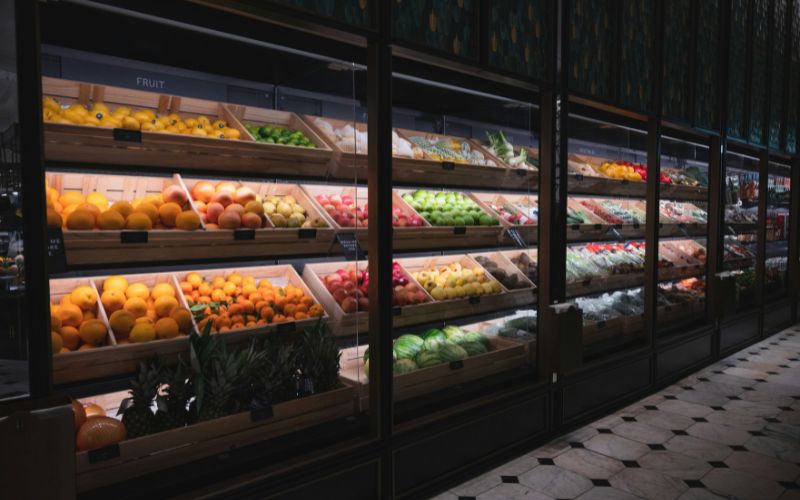
- Fruits and Vegetables: Fresh, frozen, or canned fruits and vegetables usually qualify when they are sold as food for home use. This includes apples, bananas, lettuce, potatoes, frozen berries, canned tomatoes, and similar grocery staples.
- Meat, Poultry, and Fish: SNAP EBT can be used for eligible protein items such as chicken, beef, pork, turkey, fish, and seafood. These items must generally be uncooked or intended for home preparation.
- Dairy Products: Milk, cheese, yogurt, butter, and other dairy basics are commonly SNAP-eligible. Plant-based alternatives may also qualify when they are sold as food products.
- Bread and Cereal: Bread, tortillas, bagels, breakfast cereal, oatmeal, rice, pasta, and similar grain products usually qualify. These items are often useful for stretching grocery budgets across multiple meals.
- Snack Foods: This type of snack may be eligible under federal SNAP rules, but eligibility can depend on product classification and state-specific restrictions. Check the item label in the Tom Thumb app or at checkout before relying on SNAP for candy, sweetened drinks, or similar items.
- Nonalcoholic Drinks: Bottled water and many nonalcoholic grocery beverages may qualify, but sweetened drinks may be restricted depending on current SNAP rules and item classification. Alcoholic beverages, hot prepared drinks, and nonfood beverage products are not covered by SNAP.
- Seeds and Food-Producing Plants: Seeds and plants that grow food for the household can be purchased with SNAP EBT. This may include vegetable seeds, tomato plants, or herbs intended for home food production.
3. Budget-Friendly Grocery Habits for SNAP Users
Small shopping habits can make a real difference when every grocery dollar needs to work harder. Planning before checkout helps shoppers avoid waste, compare better options, and bring home foods that can stretch across several meals.
- Plan Meals Before Shopping: Build a simple meal plan around breakfast, lunch, dinner, and snacks before visiting Tom Thumb. This helps you buy with purpose instead of filling the cart with random items that may not become complete meals.
- Check Weekly Deals: Review Tom Thumb’s weekly ad, app offers, and store discounts before shopping. Matching SNAP-eligible foods with current deals can help you get more value from the same budget.
- Choose Versatile Staples: Rice, pasta, beans, oats, eggs, frozen vegetables, and canned tomatoes can be used in many meals. These basics make it easier to cook different dishes without buying too many separate ingredients.
- Compare Unit Prices: Look at the price per ounce, pound, or serving instead of only the package price. Larger sizes are not always cheaper, so unit pricing helps you spot the better deal.
- Buy Store Brands: Store-brand items often cost less than national brands while still covering the same grocery needs. Choosing them for staples like cereal, dairy, canned goods, and pantry basics can free up more room in your budget.
- Use Frozen and Canned Foods: Frozen vegetables, canned beans, canned tuna, and canned fruit can last longer than fresh items. They also reduce waste because you can use them when needed instead of rushing before the food spoils.
- Separate Eligible and Non-Eligible Items: Keep SNAP-eligible groceries grouped when possible. This can make checkout smoother and help you prepare another payment method for household items, hot foods, or other products that EBT does not cover.
>>> Read More: Surprising Things: What Can You Buy with EBT Cash Now
4. How to Save More With SNAP
Smart budgeting does not stop once the receipt is printed. When a household already receives qualifying assistance, it may also have a path to lower monthly phone service costs through the federal Lifeline Program.
The Lifeline Program is a federal assistance program that helps eligible low-income consumers lower the cost of phone service or internet service through a monthly discount. This benefit is non-transferable, available only to eligible consumers, and limited to one discount per household.