Shopping with SNAP becomes easier when you know which foods qualify before reaching checkout.
This guide breaks down what food can you buy with EBT, including fruits, vegetables, meat, dairy, bread, cereals, snacks, and non-alcoholic drinks, while also explaining common limits on hot meals, vitamins, and household goods. For a clearer item-by-item breakdown, refer to TAG Mobile’s guide below.
1. What Food Can You Buy With EBT?
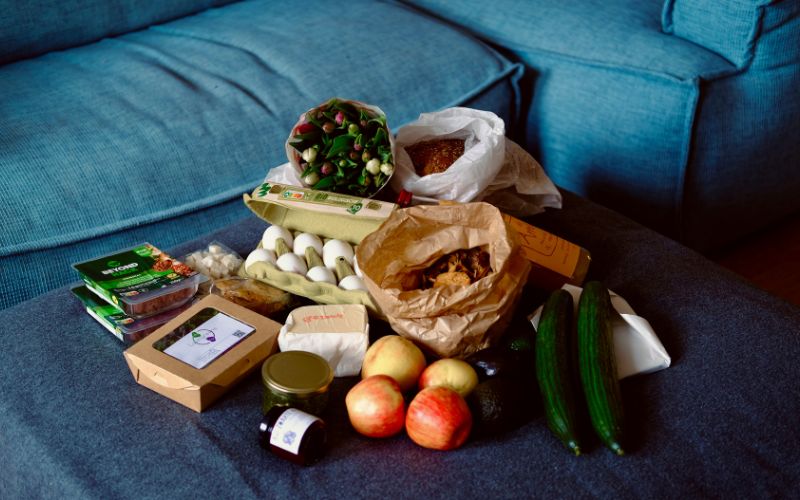
Most EBT food benefits are designed to help households buy groceries they can prepare or eat at home, so many everyday food categories qualify.
Hot foods prepared for immediate eating are usually not allowed, which is why questions like “what fast food can you buy with EBT” depend on special state programs, restaurant participation, and local rules.
- Produce and proteins: Fresh, frozen, or canned fruits and vegetables, along with meat, poultry, and fish.
- Pantry staples: Bread, cereal, rice, pasta, flour, beans, lentils, oats, peanut butter, and similar shelf-stable foods.
- Dairy products: Milk, cheese, yogurt, butter, and other eligible dairy items.
- Treats and drinks: Chips, cookies, candy, ice cream, soda, juice, bottled water, and other cold non-alcoholic beverages.
- Baby and household food essentials: Infant formula, baby food, and other eligible foods for children.
- Seeds and food-producing plants: Seeds, herbs, vegetable plants, and other plants that grow food for the household to eat.
>>> Read More: What Is SNAP EBT? A Beginner-Friendly Guide to SNAP Benefits
2. Surprising Things You Can Buy With EBT
Some eligible items are less obvious than basic fruits, bread, meat, or dairy, so checking the rules can help shoppers use their food benefits more confidently.
When reviewing what food can you buy with EBT, these unexpected options may make meal planning, celebrations, and grocery trips more flexible.
- Take-and-bake or frozen pizza: Ready-to-eat hot pizza is usually not allowed, but frozen pizza or take-and-bake pizza that you cook at home can qualify.
- Cold drinks: Iced coffee, fountain soda, smoothies, bottled water, juice, and other cold non-alcoholic beverages may be eligible.
- Coffee, tea, and cocoa: Ground coffee, whole beans, coffee pods, tea bags, loose-leaf tea, and cocoa powder can be purchased for home preparation.
- Birthday cakes: Cakes may qualify as long as non-edible decorations do not make up more than half of the total value.
- Food-based gift baskets: Baskets with mostly edible items may be allowed if non-food products stay within program limits.
- Seeds and food-producing plants: Vegetable seeds, herb plants, and other plants that grow food for the household can qualify.
- Seasonings and cooking basics: Spices, herbs, oils, condiments, and other flavor-building ingredients are often eligible.
- Protein bars and meal replacement shakes: These may qualify when labeled as food with a Nutrition Facts label, not as supplements.
- Infant formula and baby food: Formula, baby cereal, juices, and baby food products are generally allowed.
- Live seafood: Certain live fish or shellfish, such as lobster, may qualify, while most live animals are not allowed.
- Candy: Including chocolate bars, gummies, and sugary confections.
- Sweetened drinks: Sodas, sports drinks, or energy drinks
3. What Foods Can’t Be Purchased With EBT?
Food benefits are mainly intended for grocery items that households can prepare or eat at home, so several product categories are restricted.
If you mistaken these items with eligible ones, you may stumble upon declined transactions at checkout So make sure to separate eligible foods from non-covered purchases.
- Hot foods: Foods served hot at the point of sale are generally not eligible, including rotisserie chicken, hot deli soup, hot pizza, or heated ready-to-eat meals.
- Restaurant meals: Prepared meals for immediate, on-site consumption usually cannot be purchased unless the shopper qualifies under a state Restaurant Meals Program for elderly, disabled, or homeless individuals.
- Alcoholic drinks: Beer, wine, liquor, cocktails, and other alcohol products are not allowed.
- Tobacco and vape products: Cigarettes, cigars, chewing tobacco, vapes, and related nicotine products are excluded.
- Pet food: Dog food, cat food, pet treats, litter, and other animal care items must be paid for separately.
- Household supplies: Cleaning products, paper towels, toilet paper, trash bags, dish soap, and similar home goods do not qualify.
- Hygiene and grooming products: Soap, shampoo, cosmetics, toothpaste, deodorant, skincare products, and other personal care items are not covered.
- Diapers and laundry products: Diapers, baby wipes, laundry detergent, fabric softener, and stain removers are not eligible food purchases.
- Vitamins and dietary supplements: Items labeled with “Supplement Facts” are generally ineligible, even if they are sold near food products.
- Over-the-counter medicines: Pain relievers, cold medicine, antacids, cough drops, and similar health products cannot be purchased with food benefits.
- Energy drinks: Some energy drinks may be restricted, especially when they carry a “Supplement Facts” label instead of a “Nutrition Facts” label.
- State-restricted items: Depending on local rules, some states may limit certain heavily processed or sugary products, including selected prepared desserts, candy-coated snacks, or similar items.
4. Food Shopping Mistakes SNAP Recipients May Avoid
Small checkout mistakes can cause declined items, wasted time, or confusion about which products are covered. Careful planning before shopping helps recipients compare labels, separate non-food goods, and keep their grocery budget on track.