What Are EBT Benefits? SNAP, Cash Assistance & Everyday Uses
Millions of households across the United States rely on food and cash assistance programs to help manage everyday living expenses. This guide explains what are EBT benefits, includ...
Quincy D.-May 31, 2026
Image by Unsplash
Table of Contents
Millions of households across the United States rely on food and cash assistance programs to help manage everyday living expenses. This guide explains what are EBT benefits, including how SNAP and cash assistance programs work, are, what eligible recipients can buy, and how EBT cards are used for groceries and essential purchases.
Readers can also explore additional savings opportunities, communication support programs, and practical household resources through helpful guides from TAG Mobile.
EBT programs include several types of assistance designed to help eligible households manage food costs and essential living expenses. Many people researching what are EBT benefits are often learning how different assistance categories support grocery purchases and daily household needs.
Each benefit category serves a different purpose, depending on the needs of the recipient and the type of government support provided.
SNAP Food Benefits
SNAP benefits are designed to help low-income households purchase groceries and maintain access to regular meals throughout the month. Benefits are added to an EBT card that works like a debit card at approved grocery stores, supermarkets, and participating retailers.
Eligible food purchases usually include:
Fresh fruits and vegetables
Meat, poultry, and seafood
Milk, cheese, yogurt, and other dairy products
Bread, rice, cereal, and grains
Eggs and pantry staples
Frozen meals and packaged foods
Snack items like chips and crackers
Non-alcoholic drinks such as juice and bottled water
Many families researching What can you buy with EBT cash benefits also confuse SNAP food assistance with cash benefits, even though SNAP can only be used for approved grocery purchases.
What are EBT benefits of SNAP? (Image by Pexels)
EBT Cash Benefits
EBT cash assistance programs provide direct financial support to qualifying low-income households through programs such as TANF (Temporary Assistance for Needy Families). Unlike SNAP food benefits, these funds offer more flexibility and may be used for a wider range of everyday expenses beyond groceries.
Recipients may withdraw cash from ATMs, pay utility bills, cover transportation costs, purchase household essentials, or help manage housing-related expenses, depending on state rules. People learning how to use EBT cash benefits should understand that approved uses and withdrawal options can vary by state and benefit program type.
In most states, SNAP benefits are usually added to EBT accounts shortly after midnight on the scheduled deposit date, allowing recipients to access funds early in the morning. States such as California, Florida, Georgia, Louisiana, Massachusetts, New York, New Jersey, and Texas commonly release benefits around 12:00 A.M. local time, although exact timing may still vary depending on system processing.
Some states follow slightly different deposit schedules throughout the night or early morning hours. For example, Alaska often releases benefits around 2:00 A.M., while Arizona, North Carolina, and Oregon may process deposits closer to 5:00 A.M. Certain states, including Kansas, Missouri, New Hampshire, Vermont, and Washington, can also have unique timing schedules based on their individual EBT systems and banking processes.
Each state has a specific timeline to get EBT benefits. (Image by Unsplash)
3. Why Does My EBT Say No Pending Benefits?
Waiting for benefits to appear can be frustrating, especially for households depending on monthly food assistance to cover grocery costs. In many situations, a “no pending benefits” message does not always mean benefits were canceled or removed from the account.
Deposit schedules
Most states follow fixed SNAP deposit schedules based on factors such as case numbers, Social Security numbers, or the first letter of a recipient’s last name. If the assigned payment date has not arrived yet, the account may temporarily display no pending deposits even though benefits are still scheduled for release.
Some states also process deposits overnight or during early morning hours, which means pending information may not appear immediately before the official deposit time. Checking the state’s EBT payment calendar can often help confirm whether the deposit is still on schedule.
Account processing delays
Temporary processing delays can sometimes prevent benefits from appearing on time in the EBT system. Heavy system traffic, banking network updates, or technical issues may slow deposit visibility for several hours, even though the payment is still being processed normally.
In many cases, benefits appear later the same day once processing is completed across the state’s EBT network. Recipients who continue seeing delays may need to contact customer support to confirm whether additional account issues are affecting their deposits.
Verification reviews
State agencies occasionally review SNAP accounts to confirm that income, household size, or eligibility information is still accurate. During this process, pending benefits may temporarily disappear if documents are missing or if the case is waiting for approval from the benefits office.
Verification reviews are common during recertification periods or after changes in employment, address, or household income. Responding quickly to requests for paperwork can help avoid longer delays or interruptions in future benefit deposits.
Recently issued benefits
Sometimes, benefits no longer appear as pending because they have already been deposited into the account balance. This can happen if the state processes payments earlier than expected or if recipients check the account after deposits have already been finalized.
Reviewing recent transactions, available balances, or purchase history through the EBT app or customer service line can help confirm whether the benefits were successfully added. Many recipients mistake completed deposits for missing benefits when the funds are already available to use.
System maintenance
EBT systems regularly undergo scheduled maintenance, software upgrades, or security updates that may temporarily affect account access. During these maintenance periods, users may notice missing pending deposits, delayed balance updates, or temporary login problems on websites and mobile apps.
These interruptions are usually short-term and often resolved once the maintenance process is complete. Waiting a few hours and checking the account again later can often restore normal access without requiring additional action from the cardholder.
4. How to Renew EBT Benefits?
Renewing SNAP or EBT benefits on time is important to keep monthly assistance active without payment interruptions. Most states now allow households to complete the recertification process online through their benefits portal with updated information and required documents.
Step 1:Log in to your BenefitsCal account Access your BenefitsCal account using your username and password to view your current case details and available recertification tasks.
Step 2: Open the “Things to Do” section Select “Submit Recertification” and then click “Start your recertification” to begin the renewal process through the online portal.
Step 3:Complete the renewal before the due date Make sure all forms and supporting documents are submitted before the listed deadline shown in the “Submit the Renewal” section.
Step 4: Fill out all required sections Enter updated household, income, and expense information carefully. Some applicants may also need to upload verification documents during this step.
Step 5: Review and update information if needed The system usually allows users to edit, add, or remove details before submitting the recertification application.
Step 6: Submit the completed recertification After reviewing all information, click “Submit” to officially send the renewal request for county processing.
Step 7: Complete the county interview Your county office may contact you for a phone or in-person interview to confirm eligibility details before benefits are renewed.
5. What Other Benefits Can I Get with EBT? A Free Phone!
Beyond grocery assistance, some government support programs can also help eligible households reduce monthly phone and internet expenses. Having reliable mobile access can make everyday tasks like job applications, school communication, and healthcare scheduling much easier.
Households that participate in SNAP (accessed through the EBT system) may also qualify for additional benefits such as the federal Lifeline Program. Because SNAP is one of the recognized eligibility pathways, many EBT users can meet Lifeline requirements without needing separate income verification.
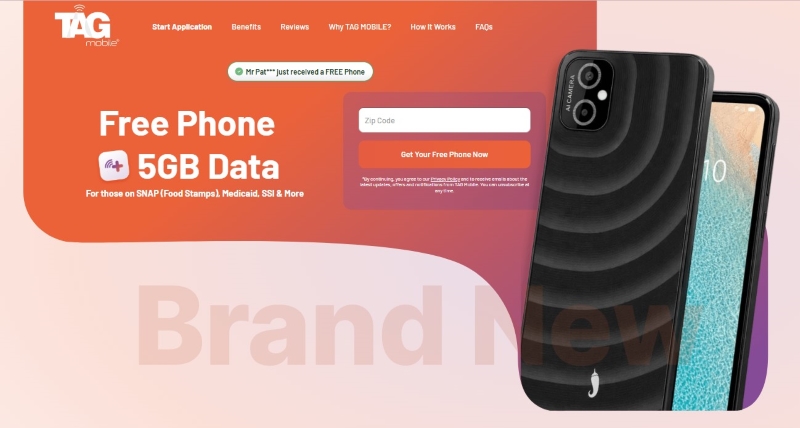
The federal Lifeline Program helps qualifying low-income individuals access discounted wireless services each month. Through this program, TAG Mobile goes beyond basic service by offering both connectivity and device access for qualified applicants.
In addition to monthly wireless plans, eligible users may receive a smartphone at no cost or at a reduced price depending on current promotions and availability. Device options can vary by location and inventory, but may include popular models across both entry-level and higher-tier categories.
Getting a free phone through TAG Mobile is usually a simple online process for eligible applicants. Most households already enrolled in qualifying assistance programs can complete the application in just a few steps.
Confirm eligibility through SNAP, Medicaid, SSI, or another qualifying Lifeline assistance program before starting enrollment
Gather any required supporting documents that may help verify identity, address, or program participation during review
Visit the TAG Mobile website and enter your ZIP code to check local service coverage and program availability
Compare available Lifeline plans and review eligible smartphone offers based on inventory and qualification status in your area
Complete the online application using accurate personal details, contact information, and household information
Upload additional verification documents if automatic eligibility confirmation cannot be completed successfully
Submit the completed application for Lifeline review and processing approval
Watch for email or account updates regarding verification status, shipping progress, or additional information requests
Approved applicants may receive devices within approximately 7-10 business days, in many cases, depending on shipping conditions and inventory availability.
Note: Eligibility varies by state and program. Offers depend on availability and qualifications. TAG Mobile operates under the federal Lifeline Program as an Eligible Telecommunications Carrier (ETC). Service is non-transferable and limited to one service per household.
6. Frequently Asked Questions About EBT Benefits
Do EBT benefits roll over?
EBT programs can sometimes feel confusing for first-time recipients, especially when it comes to deposits, rollover rules, and account security issues. These common questions can help households better understand how benefits work and what to expect after approval.
Yes, unused SNAP benefits usually remain available on the EBT card and can carry over into the following month if they are not spent right away. However, benefits left unused for a long period may eventually be removed depending on state inactivity rules.
What time do EBT benefits load?
In most states, EBT deposits are commonly added around midnight on the scheduled payment date. Some states may process benefits slightly later during the early morning hours, depending on their banking and payment systems.
What’s the difference between SNAP and EBT?
SNAP is the government program that helps eligible households pay for groceries and food essentials each month. EBT, short for Electronic Benefit Transfer, is the system used to load and access those benefits through a card that can be used at approved stores.
EBT stolen benefits reimbursement how long does it take?
The reimbursement timeline for stolen EBT benefits depends on state review procedures and how quickly the fraud claim is processed. Recipients may receive replacement benefits within several weeks after reporting unauthorized transactions and submitting the required information.
Final Words
Food and cash assistance programs can provide important support for households trying to manage everyday living costs more comfortably. Learning what are EBT benefits can help recipients better understand how SNAP, cash assistance, deposits, and benefit rules work in daily life.
From grocery purchases to essential household expenses, EBT programs are designed to make basic needs more accessible for qualifying families. Along with food assistance resources, eligible households may also qualify for communication support programs and mobile benefits through TAG Mobile to help stay connected throughout the month.
Share
TAG Blog
Stories, guides, and helpful updates for staying connected.