6 Churches That Help With Power Bills: Where to Find Emergency Electricity Assistance
An overdue electric bill can quickly become a serious concern when your household budget is already stretched. The worry grows when a shutoff notice arrives, and you are unsure how...
Quincy D.-Nov 25, 2026
Image by Unsplash
Table of Contents
An overdue electric bill can quickly become a serious concern when your household budget is already stretched. The worry grows when a shutoff notice arrives, and you are unsure how to handle the payment before the deadline.
Could local churches that help with power bills be part of the solution? Read on to learn more about the resources and support you may be able to access.
1. How Do Churches Help Families Pay Their Power Bills?
Churches may help families pay overdue electric bills through emergency grants, direct payments to utility companies, or referrals to local assistance programs.
Support is often available to people of different faiths, although funding and eligibility depend on the congregation or organization. Low-income households facing disconnection may receive priority, especially when older adults or people who rely on electrically powered medical equipment are affected.
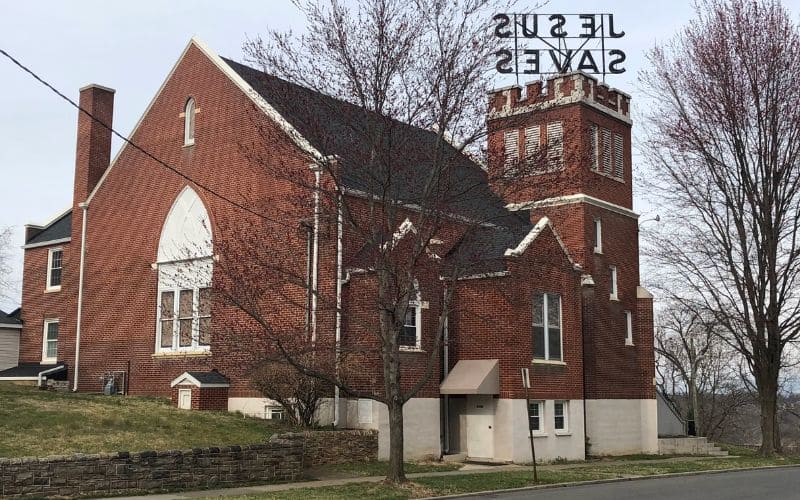
Churches may help families pay overdue electric bills (Image by Unsplash)
2. Faith-Based Organizations and Churches That Help With Power Bills
When requesting help with an electric bill, explain whether your payment is overdue, your utility company has issued a shutoff notice, or your electricity has already been disconnected. Providing this information helps the organization understand the urgency and identify suitable assistance.
The Salvation Army
Some Salvation Army offices manage emergency utility funds through partnerships with specific electric companies. Contact your local office with your ZIP code and utility provider’s name to find out whether your household qualifies. You can use the Salvation Army’s utility assistance resources to find local services.
What to ask: Whether local funding covers your overdue balance.
If power is disconnected: Check whether assistance can also cover reconnection fees.
Society of St. Vincent de Paul
St. Vincent de Paul often provides neighborhood-based assistance through parish groups known as conferences. Depending on available donations, volunteers may offer short-term financial support to households at risk of losing electricity. The national Society of St. Vincent de Paul recommends contacting a local Catholic church to find a nearby conference.
To request help, prepare a few essential details:
Your ZIP code and home address
The electric bill balance and shutoff date
The amount needed to prevent disconnection
Ask which local conference serves your address and how to submit a request.
Catholic Charities
Some Catholic Charities agencies provide emergency utility assistance and help residents apply for the Low Income Home Energy Assistance Program (LIHEAP). This can give households a way to address an immediate payment problem while also exploring support for future energy expenses.
Immediate assistance: Ask whether the local agency has funds for overdue electric bills.
LIHEAP referrals: Find out whether staff can help you complete an application.
Required documents: Check whether a recent utility statement is sufficient or a formal shutoff notice is necessary.
United Methodist Churches
Some United Methodist congregations use donations to help neighbors manage temporary financial difficulties. Depending on the community, assistance may come directly from the church or through a local outreach ministry.
If you are contacting churches that help with power bills, ask whether the congregation handles utility requests itself or refers residents elsewhere. The United Methodist Church recommends starting with 211 and then contacting local congregations through its Find-a-Church directory.
Who to contact: The church’s outreach coordinator or community assistance office.
What to explain: Your outstanding balance, payment deadline, and how much you can contribute yourself.
What to confirm: Whether emergency funds are currently available.
Lutheran, Episcopal, Presbyterian, and Other Local Churches
Several congregations in the same community may contribute to a shared interfaith assistance fund. Instead of contacting every church individually, ask whether a local ministry coordinates utility bill requests for multiple congregations.
Find the right contact: Request the ministry’s direct phone number and intake hours.
Check service coverage: Confirm that your address falls within its assistance area.
Ask about funding: Verify that the program is accepting requests before gathering paperwork.
The Church of Jesus Christ of Latter-day Saints
Members experiencing financial hardship can speak privately with their local bishop about temporary assistance with essential expenses, including electricity. The bishop may consider using funds donated through fast offerings to help with utility costs.
Assistance for nonmembers is uncommon and evaluated individually, according to the Church’s guidelines for providing assistance with essential needs.
What to bring: Your latest electric bill and any disconnection notice.
What to discuss: The outstanding balance, payment deadline, and immediate household needs.
Next step: Contact the local bishop to ask whether assistance may be available.
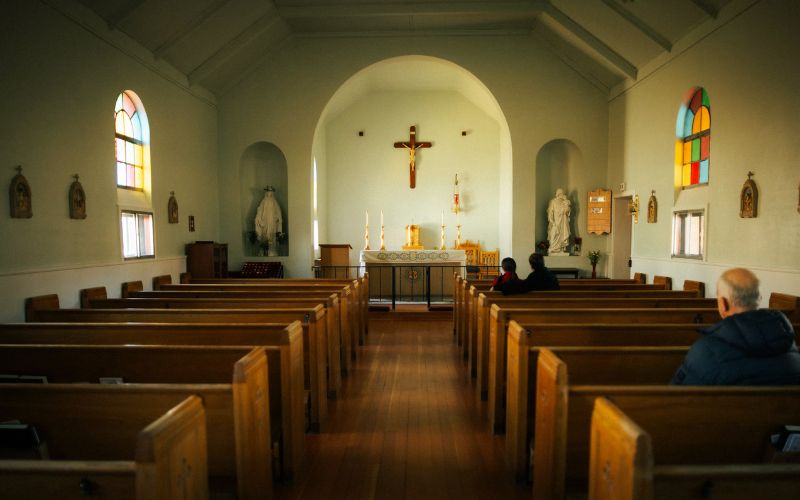
Find faith-based organizations offering emergency utility assistance to help keep your power on. (Image by Unsplash)
3. How to Find Churches That Help With Power Bill Near Me?
You can save time by narrowing your search to programs that serve your address and cover the charge on your bill. Keep your latest statement handy so you can give the exact balance and shutoff date when someone answers.
Search Local Ministries by ZIP Code and Utility Need
Pair churches that help with power bills with your ZIP code, then narrow the search to “past-due electricity” or “reconnection fees,” depending on what you owe. Check which neighborhoods each ministry serves. Before sending paperwork, call to confirm that funds are available and ask what the ministry needs from you.
Dial 211 for Local Church and Nonprofit Referrals
Tell the 211 specialist whether your power is on, scheduled for shutoff, or already disconnected. Give your ZIP code and electric provider’s name, then ask which local agencies are accepting requests. Before you hang up, get a direct phone number and find out whether you need a referral to apply.
Ask Utility Providers About Faith-Based Partner Assistance Programs
Use the customer service number on your bill to ask whether a local church or charity manages a hardship fund for the utility’s customers. If a shutoff is scheduled, ask how much it would take to keep service on and whether the utility will accept a written payment pledge from the charity.
Check Community Centers and Local Interfaith Assistance Directories
Community centers often keep referral lists for nearby churches and interfaith ministries. Ask when the list was updated and whether any organization has recently confirmed it can help with electricity bills. Several churches may share one assistance fund, so check for repeated phone numbers before calling each congregation separately.
When a shutoff date is close, it helps to know how much assistance you might receive and who can apply. Each local program sets its own eligibility rules, and the amount available can change as other households receive help.
Can churches pay my entire electricity bill?
Some churches that help with power bills may cover the full past-due balance if funds allow. Others can contribute only part, so ask your utility for the minimum payment it will accept to keep service on. Give the church that figure along with your shutoff date.
Do I need to be a church member to receive utility assistance?
Many church-run programs help people in the neighborhoods they serve regardless of membership or faith. Some congregations reserve certain funds for members, so give the office your ZIP code and ask whether its community assistance fund is open to local residents.
What should I do if no church can help pay my power bill?
Call your utility before the shutoff date and ask about a payment arrangement or a temporary hold while you seek help. Dial 211 for local referrals, including the Low Income Home Energy Assistance Program (LIHEAP). Confirm with the utility whether your shutoff date has changed.
A utility shutoff notice can be stressful, but local churches and community organizations may offer support when bills become difficult to manage. Contact churches that help with power bills as early as possible, and keep your utility provider informed while your request is being reviewed.
Share
TAG Blog
Stories, guides, and helpful updates for staying connected.