25 Famous California Foods That Define the Golden State
Few places in America bring together fresh ingredients and global influences quite like the Golden State. California food reflects that mix through coastal seafood, farm-grown prod...
Quincy D.-Oct 29, 2026
Image by Unsplash
Table of Contents
Few places in America bring together fresh ingredients and global influences quite like the Golden State. California food reflects that mix through coastal seafood, farm-grown produce, Mexican-inspired favorites, Asian influences, and regional creations that have become classics in their own right.
From San Francisco sourdough to Mission burritos and fish tacos, these 25 famous foods tell a delicious story of the people, places, and flavors that shape California.
1. What Food Is California Known For?
California’s culinary identity is difficult to capture in a single dish because every region brings something different to the table. The best-known California food ranges from San Francisco sourdough and Mission burritos to Santa Maria-style tri-tip, California rolls, fish tacos, Cobb salad, and French dip sandwiches.
Add avocados, citrus, artichokes, Gilroy garlic, and abundant seasonal produce, and the state’s cuisine becomes a reflection of its coastline, farmland, cultural diversity, and creative spirit.
2. 25 Most Iconic California Foods You Should Know
Some dishes were invented in the state, while others became unmistakably Californian through local ingredients, regional traditions, or the communities that made them famous. Together, these 25 favorites offer a flavorful tour from San Francisco and Los Angeles to the Central Coast, fertile inland valleys, and Southern California.
San Francisco Sourdough
San Francisco sourdough is famous for its crisp crust, chewy interior, and distinctive tang. The city’s long breadmaking tradition dates back to the Gold Rush era, when sourdough became closely associated with local bakers.
Today, loaves and sourdough bread bowls remain culinary symbols of San Francisco, particularly around Fisherman’s Wharf and other historic bakery neighborhoods.
Mission Burrito
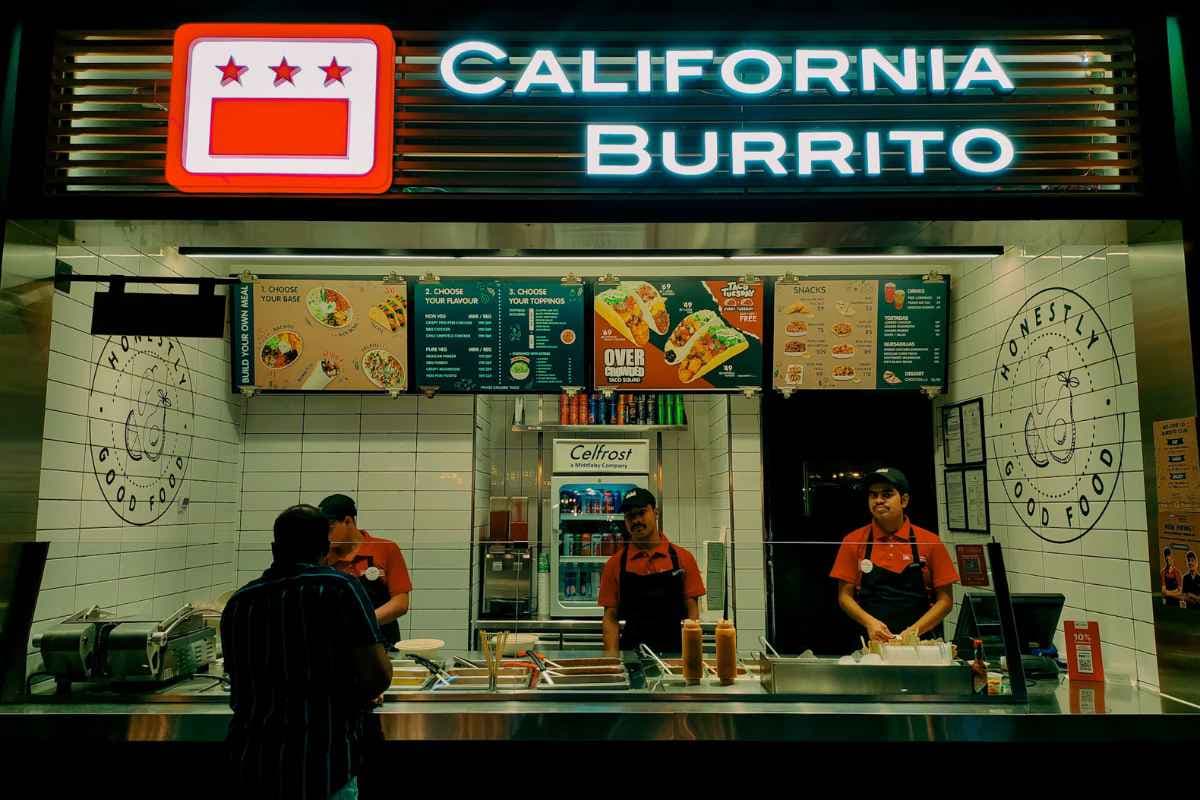
Born in San Francisco’s Mission District, the Mission burrito stands out for its size and tightly wrapped flour tortilla. Common fillings include:
Rice and beans
Meat and salsa
Cheese, sour cream, and guacamole
This generous, all-in-one format helped distinguish the Mission burrito from smaller traditional burritos and influenced burrito shops far beyond Northern California.
California Roll
The California roll helped make sushi more approachable to many American diners by combining familiar ingredients in an inside-out roll. Typically made with avocado, cucumber, and crab or imitation crab, it became strongly associated with California’s evolving sushi scene.
Its exact origin is debated, but the roll remains an influential example of how California food has evolved through cultural exchange and culinary adaptation.
Santa Maria-Style Tri-Tip
Santa Maria-style tri-tip is a signature of California’s Central Coast barbecue tradition. The beef is usually seasoned simply and cooked over red oak, creating a smoky crust and juicy interior.
A traditional meal may also include:
Pinquito beans
Salsa and bread
Salad
These simple accompaniments help make the dish a distinctive part of Santa Maria Valley cooking.
Fish Tacos
Southern California’s proximity to Baja California helped fish tacos become a coastal staple. They typically feature grilled or battered fish tucked into tortillas with cabbage, salsa, crema, and lime.
San Diego is especially associated with the dish, where countless taco shops have developed their own versions of this fresh, crunchy, and distinctly border-influenced favorite.
Cobb Salad
Created at Hollywood’s Brown Derby restaurant in the 1930s, Cobb salad turns a bowl of greens into a substantial meal. Traditional ingredients include:
The colorful arrangement and mix ofcreamy, smoky, crisp, and savory flavors helped establish Cobb salad as an enduring American restaurant classic.
French Dip Sandwich
Despite its name, the French dip sandwich has deep Los Angeles roots. Thinly sliced roast beef is piled onto a French-style roll and served with flavorful meat juices for dipping or with the bread already dipped, depending on the restaurant.
Both Philippe the Original and Cole’s have longstanding claims connected to the sandwich’s creation, so its exact origin remains disputed.
Avocado Toast
California did not invent avocado on bread, but the combination became closely linked with the state’s produce-forward dining culture. Toasted bread provides a simple base for creamy avocado, whether spread or sliced, along with optional toppings such as:
Eggs or tomatoes
Seeds and fresh herbs
Chile flakes
Its fresh ingredients and customizable toppings fit the style of modern California food.
In-N-Out-Style Burgers
Few fast-food experiences are as closely associated with California road trips as a classic In-N-Out-style burger. The familiar combination is simple:
A griddled beef patty
Lettuce, tomato, and onion
Signature spread
A toasted bun
The Southern California-born chain has become part of the state’s popular food culture, inspiring devoted fans and countless copycat burgers.
Animal Style Fries
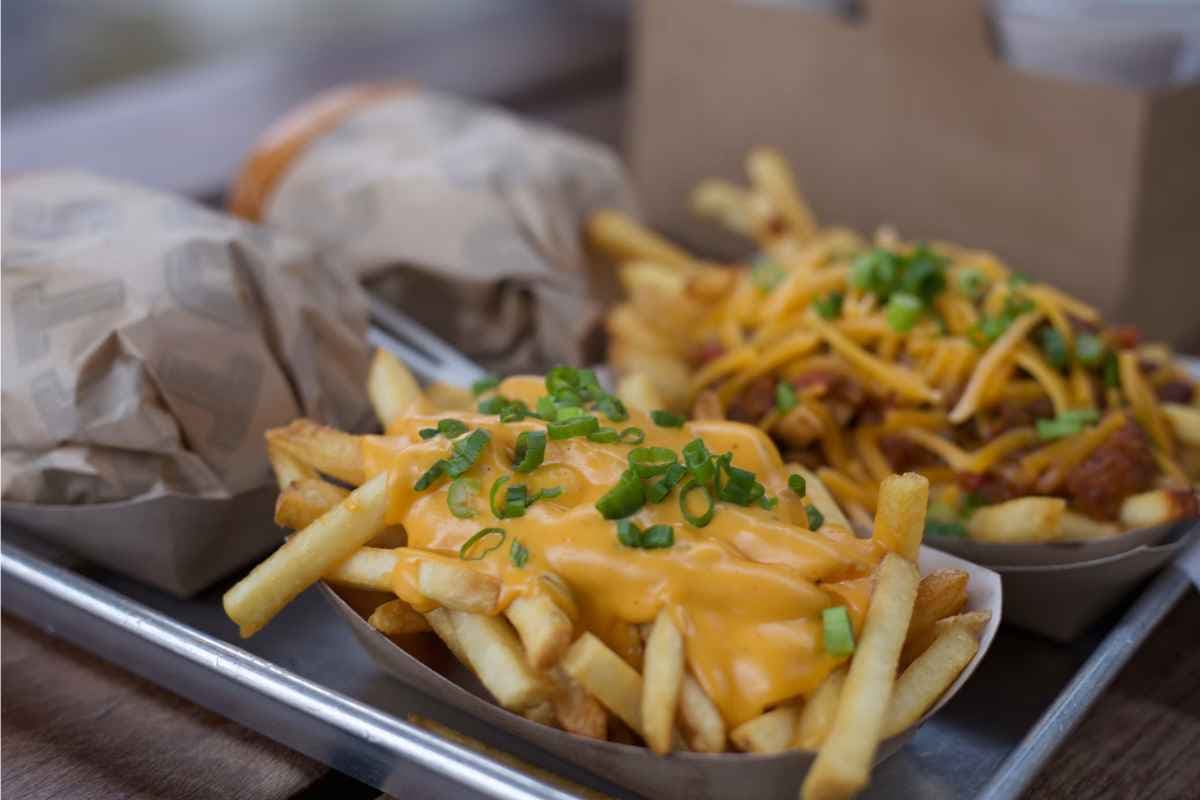
Animal Style fries take a straightforward order of French fries and pile on melted cheese, grilled onions, and In-N-Out’s signature spread. The off-menu customization became one of the chain’s best-known “secret menu” orders.
Rich, messy, and unmistakably indulgent, they have become nearly as recognizable among fans as the burgers themselves.
Garlic Fries
Garlic fries transform a familiar ballpark snack with generous amounts of chopped garlic, herbs, and seasoning. They became particularly famous at San Francisco sporting venues, where their powerful aroma is difficult to miss.
The dish also fits naturally into Northern California’s food identity, given the state’s strong connection to commercial garlic production.
Cioppino
Cioppino tells the story of San Francisco’s Italian immigrant fishing community in a bowl. The seafood stew combines a tomato-and-wine broth with the day’s catch, which may include:
Crab and clams
Shrimp and mussels
Fish
Served with crusty bread for soaking up the broth, it remains a defining example of California food shaped by the state’s coastal heritage and immigrant communities.
Dungeness Crab
Dungeness crab is a longtime favorite along the Pacific Coast, especially in San Francisco’s seafood scene. Its sweet, delicate meat can be enjoyed in several ways:
Cracked and served with butter
Added to salads, pasta, or sandwiches
Used in cioppino
Fresh local crab is especially sought after during the harvest season, when fishing conditions and regulations allow.
Hangtown Fry
Hangtown fry reaches back to California’s Gold Rush history. The hearty combination of eggs, oysters, and bacon is traditionally associated with Placerville, formerly known as Hangtown, although stories about its exact creation vary.
Rich and unusual by modern breakfast standards, the dish offers an edible connection to the extravagant meals and folklore of nineteenth-century California.
California-Style Pizza
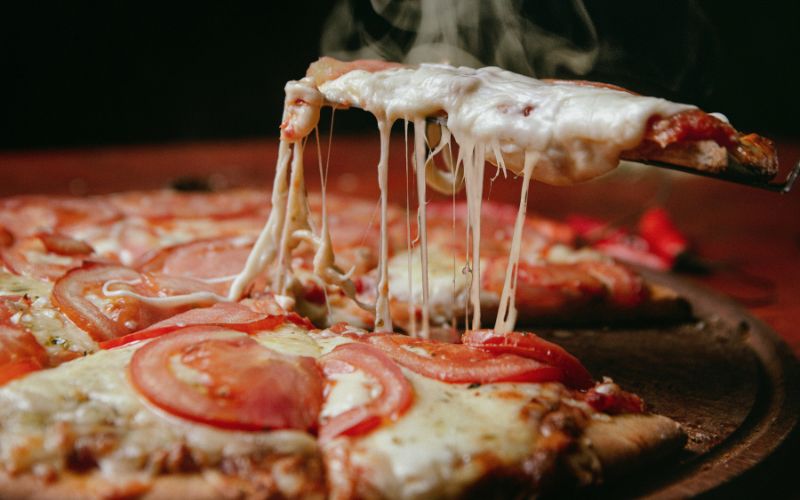
California-style pizza favors creativity over rigid topping rules. Chefs helped popularize thin-crust pizzas topped with ingredients that were unconventional at the time, including goat cheese, smoked salmon, fresh vegetables, and other seasonal produce.
The style reflects the state’s broader culinary tendency to combine influences, emphasize fresh ingredients, and reinterpret familiar dishes with unexpected combinations.
California-style pizza favors creativity over rigid topping rules. (Image by Unsplash)
Ranch Dressing
Ranch dressing traces its name and commercial beginnings to Hidden Valley Ranch near Santa Barbara. The creamy blend traditionally combines buttermilk, herbs, garlic, onion, and seasonings, although recipes vary widely.
What started as a regional dressing eventually became one of America’s most familiar condiments, appearing on salads and alongside everything from vegetables to pizza and wings.
Date Shake
Date shakes are especially associated with California’s desert communities around the Coachella Valley, where dates thrive in the hot climate. The classic drink blends sweet dates with milk and ice cream to create a thick, caramel-like shake.
Its connection to roadside date farms and desert travel gives California food a distinctly regional flavor beyond the state’s better-known coastal dishes.
Garlic
Gilroy’s reputation as a garlic destination has made the pungent bulb part of California’s culinary identity. California-grown garlic is used in a wide range of foods, including:
Sauces and marinades
Roasted dishes and breads
Specialty and novelty foods
Garlic itself is hardly unique to California, but the crop’s agricultural importance and its association with Gilroy have earned it a place on this list.
Artichokes
California leads U.S. artichoke production, and Castroville has long celebrated its connection to the crop. Artichokes can be prepared in several ways, depending on the dish:
Steamed or grilled
Roasted or stuffed
Added to dips and salads
They can also be served whole with a dipping sauce, making the layered leaves part of the eating experience. Their strong agricultural ties have secured their place in California food culture.
Avocados
California’s climate supports substantial avocado production, particularly in Southern and Central coastal regions. Creamy Hass avocados appear everywhere from tacos and salads to sandwiches, guacamole, and breakfast plates.
Their popularity fits naturally with the state’s emphasis on fresh produce, while California’s long avocado-growing history has helped make the fruit a recognizable part of local cuisine.
Almonds
Drive through parts of California’s Central Valley and almond orchards stretch across the landscape. The state is a major global producer, supplying almonds for:
Snacking and baking
Nut butter and almond milk
Packaged foods and other products
Almonds are more than a pantry staple. Their agricultural importance makes them a significant part of California’s farming identity.
Strawberries
California’s coastal growing regions provide conditions that support a long strawberry season. The berries appear in farmers’ markets, roadside stands, desserts, smoothies, salads, and breakfast dishes across the state.
Sweet, juicy, and easy to enjoy fresh, strawberries highlight the agricultural abundance that plays such an important role in California’s everyday food culture.
Meyer Lemons
Meyer lemons are prized for their fragrant peel, juicy flesh, and sweeter, less sharply acidic flavor than many standard lemons. They work well in both sweet and savory recipes, including:
Curds and cakes
Cocktails and dressings
Other citrus-based dishes
Their floral citrus character reflects the fresh, produce-driven side of California food and has made them a favorite among home cooks and professional chefs.
California Wine
California wine is inseparable from the state’s culinary story, with Napa Valley, Sonoma County, Paso Robles, and other regions producing internationally recognized bottles. Cabernet Sauvignon, Chardonnay, Pinot Noir, and Zinfandel are among the many varieties grown here.
Beyond the glass, wine country has also helped shape California’s restaurant, tourism, and farm-to-table culture.
Fortune Cookies
Fortune cookies are strongly tied to Chinese-American restaurant culture, and San Francisco played an important role in their history in the United States. Their precise origin remains disputed, but the crisp, folded cookies containing small paper fortunes became a familiar ending to Chinese-American meals nationwide.
Visitors to San Francisco’s Chinatown can still see fortune cookies being made, connecting this widely recognized treat to the city’s food history.
Great California eating is less about checking famous dishes off a list and more about knowing where, when, and how to try them. Keep these tips in mind to experience regional flavors, seasonal ingredients, and local favorites beyond the typical tourist stops.
Eat by region: Match the dish to the place whenever possible. Try sourdough and Dungeness crab in San Francisco, Santa Maria-style tri-tip along the Central Coast, date shakes in the Coachella Valley, and fish tacos around San Diego.
Follow what’s in season: California’s farms produce an enormous range of fruits and vegetables throughout the year. Seasonal strawberries, citrus, avocados, artichokes, and other fresh ingredients often taste best when they appear naturally on local menus.
Visit farmers’ markets: Farmers’ markets offer more than fresh produce. Many bring together local growers, bakers, specialty-food makers, and prepared-food vendors, making them an easy way to sample several sides of California’s food culture in one stop.
Look beyond famous restaurants: Neighborhood taco shops, food trucks, bakeries, cafés, and family-run restaurants often reveal a more everyday side of local dining. Check where residents actually eat instead of building your entire itinerary around highly publicized destinations.
Explore the state’s cultural influences: Mexican, Chinese, Japanese, Korean, Filipino, Vietnamese, and many other communities have helped shape California food over generations. Trying dishes across different neighborhoods can give you a much richer picture of how diverse the state’s dining culture really is.
Try regional specialties close to their roots: Location adds context to an iconic dish. Eating a Mission burrito in San Francisco or tri-tip near Santa Maria connects the food to the communities and traditions that helped make it famous.
Check menus before making the trip: Seasonal dishes, seafood availability, restaurant hours, and daily specials can change. A quick menu or location check before leaving can save time and help you arrive when the dish you want is actually being served.
Taste California like a local through local markets, seasonal produce, regional dishes, and neighborhood dining spots. (Image by Unsplash)
4. California Benefits Can Extend Beyond the Grocery Budget
Food assistance can help stretch a household budget, but communication costs are another monthly expense worth reviewing. For eligible California residents, the federal Lifeline Program can reduce the cost of qualifying phone service and make everyday communication more affordable.
Lifeline Benefits for California and American Residents
TAG Mobile is a wireless provider that offers Lifeline-supported mobile services to eligible customers. Through TAG Mobile, qualifying households may access essential mobile benefits, including:
Talk and text for everyday communication
Mobile data to access online services
Available phones or tablets, depending on location and current offers
Plan benefits and device availability vary by location and current program terms.
Eligibility for Lifeline is generally based on household income or participation in a qualifying assistance program, such as:
SNAP
Medicaid
Supplemental Security Income (SSI)
Federal Public Housing Assistance
Veterans Pension or Survivors Benefit
Phones and Tablets Available From TAG Mobile
Once eligibility is confirmed, applicants can browse the devices currently offered in their area. TAG Mobile carries both smartphones and tablets for different everyday needs, from calls and messaging to browsing, entertainment, learning, and video communication.
Clovertek G17: Built around a larger tablet display, the G17 works well for web browsing, streaming, reading, online learning, video calls, and everyday apps when a phone screen feels too small.
Samsung Galaxy A20: Samsung’s Galaxy A20 combines everyday smartphone essentials for calling, texting, browsing, taking photos, using social apps, and watching content on the go.
FOXXD C67: Designed for straightforward everyday use, the C67 covers common mobile needs such as calls, messages, internet browsing, social media, apps, and routine communication.
Samsung Galaxy Tab A 2018: Samsung’s tablet format provides extra screen space for videos, reading, email, web browsing, educational content, and light everyday app use.
TCL 20 SE: Made for everyday mobile tasks, the 20 SE provides smartphone access for calls, texts, web searches, apps, social platforms, and other routine communication needs.
Apple iPad 7: Apple’s seventh-generation iPad offers a spacious display for streaming, browsing, reading, video calls, productivity tasks, learning platforms, and compatible iPad apps.
Device inventory, pricing, and offers can change by location and availability, so applicants should review the current options shown for their ZIP code before making a selection. For qualifying customers, TAG Mobile can provide a practical way to combine Lifeline-supported connectivity with a device suited to everyday communication and online access.
List of tablets and upgraded phones at TAG Mobile (Offers may vary by state, inventory, and time of your application).
Note: Eligibility varies by state and program. Offers depend on availability and qualifications. TAG Mobile operates under the federal Lifeline Program as an Eligible Telecommunications Carrier (ETC). Service is non-transferable and limited to one service per household.
5. FAQs about California Food
California’s food culture reaches far beyond a handful of famous dishes, with geography, agriculture, immigration, and regional traditions all influencing what’s on the table. These quick answers explain a few defining features of the state’s cuisine and its impact on American dining.
What makes California cuisine unique?
California cuisine stands out for its emphasis on seasonal produce, fresh seafood, regional ingredients, and creative combinations of different culinary traditions. Mexican, Asian, Mediterranean, and other influences have blended with local farming and coastal cooking, giving California food a diverse character that can vary considerably from one part of the state to another.
Is California cuisine healthy?
It can be, depending on the dish and preparation method. California’s abundance of vegetables, fruits, seafood, nuts, and avocados makes it easy to build nutrient-rich meals, but the state is also famous for burgers, fries, burritos, pizza, and other more indulgent favorites.
What fast food started in California?
Several major fast-food brands trace their beginnings to California. In-N-Out Burger opened in Baldwin Park in 1948, while McDonald’s began as a restaurant operated by Richard and Maurice McDonald in San Bernardino in 1940. Other California-born chains include Jack in the Box and Taco Bell.
Final Thoughts
From coastal seafood and farm-fresh produce to legendary burritos, sourdough, barbecue, and burgers, California food tells the story of a state shaped by both local abundance and global influences. The best way to appreciate it is to explore beyond one signature dish and taste what different regions bring to the table.
Wherever your next food discovery takes you, TAG Mobile can help keep menus, directions, and local favorites within easy reach.
Share
TAG Blog
Stories, guides, and helpful updates for staying connected.