Are Medicare Premiums Tax Deductible? 2026 Tax Guide
Are Medicare premiums tax deductible? Understanding how Medicare premiums fit into your tax strategy can help you reduce your taxable income and keep more of your money. Depending...
Quincy D.-Apr 14, 2026
Image by Unsplash
Table of Contents
Are Medicare premiums tax deductible? Understanding how Medicare premiums fit into your tax strategy can help you reduce your taxable income and keep more of your money. Depending on your income, filing status, and whether you itemize deductions, you may qualify to deduct Part B, Part D, and Medigap premiums.
For a complete breakdown of eligibility rules, calculation methods, and tips to maximize savings, you can refer to the article below from TAG Mobile to learn more.
1. Are Medicare Premiums Tax Deductible?
Yes, Medicare premiums are considered tax-deductible as qualified medical expenses, but this only applies if you itemize deductions and your total medical costs exceed 7.5% of your adjusted gross income (AGI).
If you’re asking “are Medicare insurance premiums tax deductible”, the answer depends on your personal tax situation and whether your expenses meet the IRS threshold for claiming deductions.
Medicare premiums can be deducted as qualified medical expenses for tax purposes. (Image by Unsplash)
Not all Medicare costs are automatically deductible, so it’s important to know which premiums can qualify when itemizing medical expenses.
Let’s explore the differences between each type of Medicare coverage to maximize potential tax deductions and plan your finances effectively.
Medicare Part B (Medical Insurance): Premiums for standard Part B coverage, including any Income-Related Monthly Adjustment Amounts (IRMAA), can be deductible if you meet IRS requirements. This answers part of the question are Medicare Part B premiums tax deductible?
Medicare Part D (Prescription Drug Plans): Premiums for standalone prescription drug plans may also be deductible under medical expenses.
Medicare Part C (Medicare Advantage): Any premiums paid for private Medicare Advantage plans are eligible for deduction when itemizing.
Medicare Part A (Hospital Insurance): Generally, deductible only if you pay premiums voluntarily because you’re not covered under Social Security.
Medigap (Supplemental Insurance): Premiums for supplemental policies can qualify as medical expenses, addressing the question are Medicare supplement premiums tax deductible.
3. Medicare vs Medicaid: Why It Matters for Savings
Choosing between Medicare and Medicaid matters because each program serves different groups of people and affects your healthcare coverage, costs, and potential savings in unique ways. Knowing how they work helps you understand which program you may qualify for and how it can reduce your overall medical spending
Medicare
Medicare is a federal health insurance program mainly for people aged 65 or older and certain younger individuals with qualifying disabilities or conditions. It’s administered by the Centers for Medicare & Medicaid Services through a standardized system that provides consistent coverage across all states.
Medicare includes Part A (hospital insurance), Part B (medical insurance), Part C (Medicare Advantage plans offered by private insurers), and Part D (prescription drug coverage).
Beneficiaries typically pay monthly premiums, deductibles, and coinsurance for services covered under different parts of the program. Enrollment is tied to specific periods, and income can affect certain premiums.
Medicaid
Medicaid is a joint federal‑state program that helps cover healthcare costs for people with low income and limited resources, regardless of age. Each state administers its own Medicaid program within federal guidelines, so eligibility rules, covered services, and benefits can vary.
Medicaid often covers costs that Medicare doesn’t, such as long‑term nursing home care and personal care services, and typically has minimal or no out‑of‑pocket costs for enrollees.
Most people can apply for Medicaid at any time by contacting their state agency, and many already on Medicare may qualify for both programs (dual eligibility), which can further reduce healthcare costs
4. A Practical Way to Stay Connected Without Extra Costs
The Lifeline Program is a federal initiative that helps low-income households stay connected by providing discounts on phone and internet services.
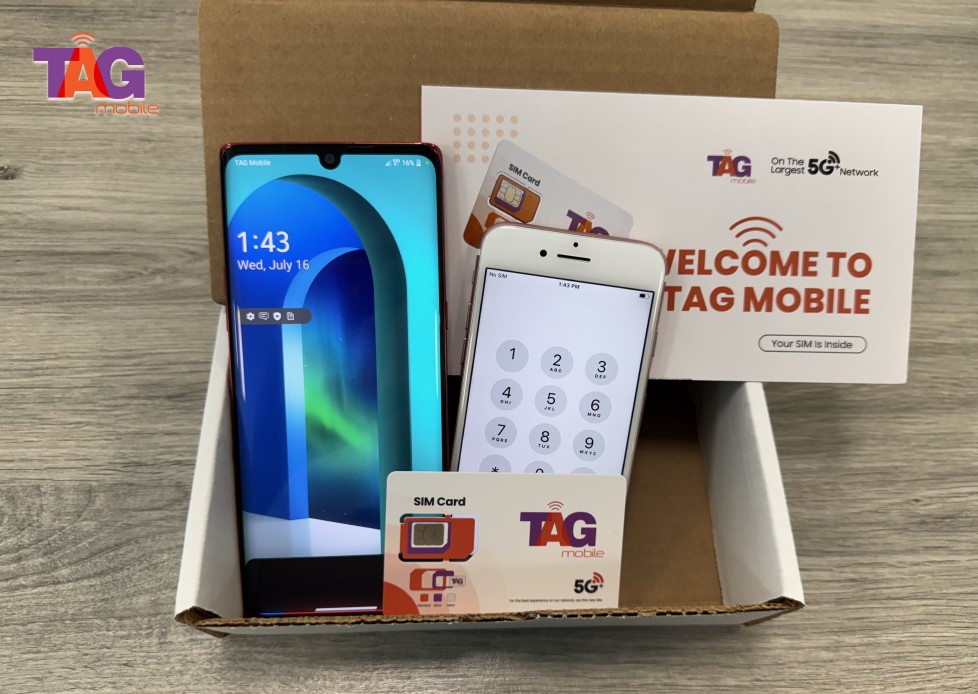
While the Lifeline program itself provides the service support, eligible Lifeline carriers like TAG Mobile offer free devices along with a variety of telecommunications benefits, such as talk, text, and data plans. This partnership ensures that eligible individuals can maintain essential communication without incurring extra monthly costs.
Applying for a free phone with Medicaid through the Lifeline Program is a straightforward process, but understanding each step in advance can help you avoid delays and get approved faster. Here are the main steps to get started:
Check your eligibility Confirm you are enrolled in Medicaid or meet Lifeline income requirements. It’s helpful to prepare documents like your Medicaid approval letter or benefits card in advance.
Apply online with a trusted Lifeline provider Visit a provider such as TAG Mobile, enter your ZIP code to view available plans, then choose a plan and select a free phone or tablet if you like it.
Update personal information and required documents Provide details like your full name, address, date of birth, and the last four digits of your SSN. Upload proof of Medicaid participation too (if required).
Complete your application and wait for delivery Review all information carefully before submitting your application. Once approved, your device will be shipped (typically within 7-10 business days) with activation instructions included so you can start using your service.
TAG Mobile is the top Lifeline provider choice for eligible US residents.
5. Final Words
Understanding are Medicare premiums tax deductible can help you make smarter financial decisions and potentially reduce your taxable income. By knowing which premiums qualify, including Part B, Part D, and Medigap, you can maximize your deductions and better manage your healthcare costs.
The programs like the Lifeline program, paired with carriers such as TAG Mobile, offer additional ways to save on communication expenses, complementing your healthcare planning.
For step-by-step guidance on deductions and to explore options for free or discounted devices, TAG Mobile can provide the support and resources you need to stay connected and financially secure.
Note: Eligibility varies by state and program. Offers depend on availability and qualifications. TAG Mobile operates under the federal Lifeline Program as an Eligible Telecommunications Carrier (ETC). Service is non-transferable and limited to one service per household.
Share
TAG Blog
Stories, guides, and helpful updates for staying connected.