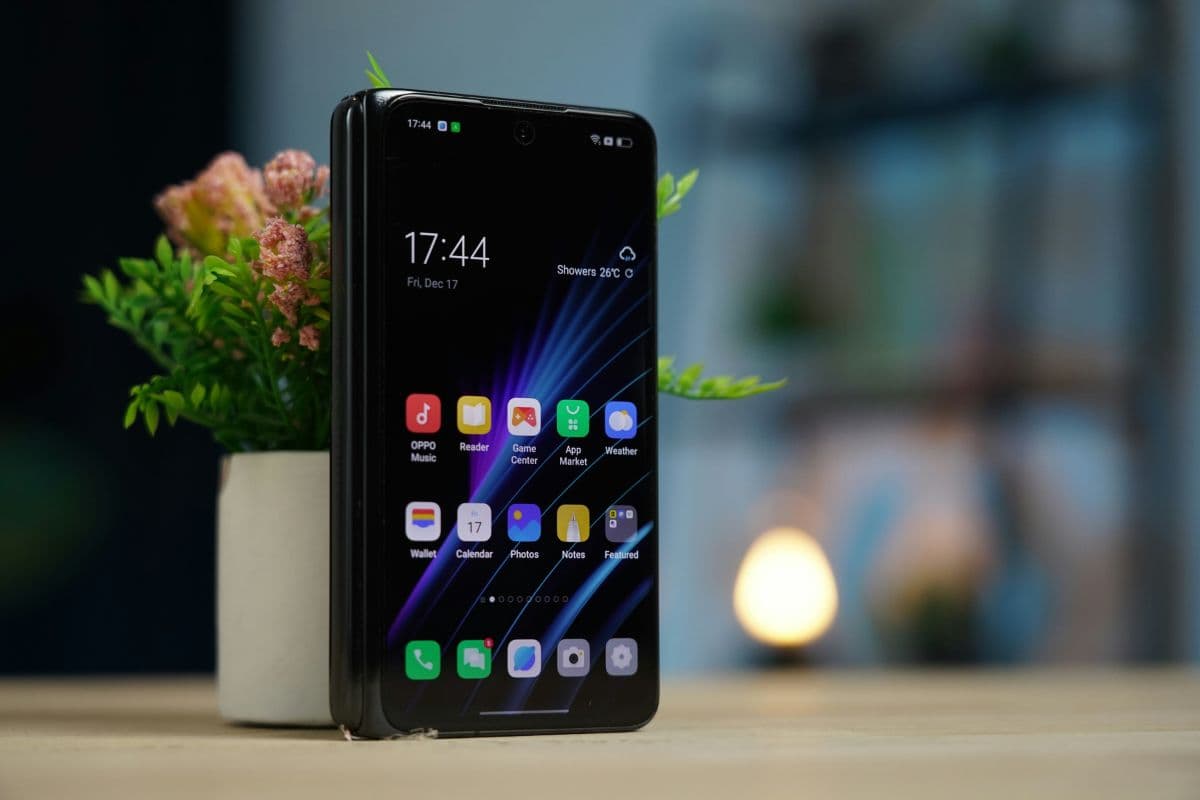
Free lifeline phone service providers help eligible households gain access to mobile service without the high costs. Whether it’s for calls, texting, or mobile data, Lifeline ensures everyone can stay connected.
In this guide, you’ll discover the leading Lifeline free cell phone providers, what qualifies you for a free phone, and how to submit your free Lifeline phone application efficiently to start enjoying service immediately.
1. What Is the Lifeline Program?
1.1. Definition and Purpose
The Lifeline Program is run by the Universal Service Administrative Company (USAC) and regulated by the Federal Communications Commission (FCC). It was created to make phone and internet service more affordable for eligible Americans.
Through Lifeline, qualifying households get a monthly discount on phone or internet service. The standard benefit is $9.25 per month, and some tribal areas may receive a higher subsidy. This helps families stay connected for work, school, healthcare, and emergencies.

1.2. Eligibility Requirements
If you qualify under either rule, you can use Lifeline for phone service (mobile or landline) or home internet. To get Lifeline benefits, you must meet one of these two criteria:
- Income-based eligibility: Your household income is at or below 135% of the Federal Poverty Guidelines.
- Program-based eligibility: You take part in certain government programs, such as SNAP (Food Stamps), Medicaid or Medi-Cal, Supplemental Security Income (SSI), or Federal Public Housing Assistance (Section 8).
>>> Read more: How to Get Free Phone with Medicaid (Step-by-Step Guide)
2. Top Free Lifeline Phone Service Providers
Many companies across the U.S. provide free or low-cost phone service through Lifeline. Here are some of the most reliable Lifeline free cell phone providers:
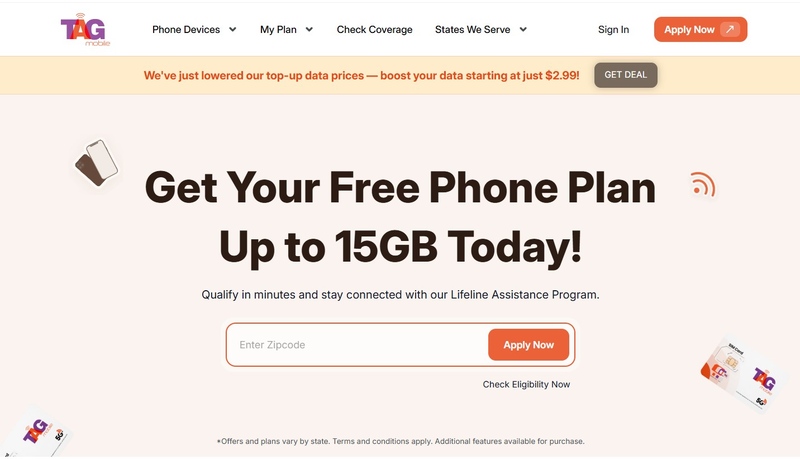
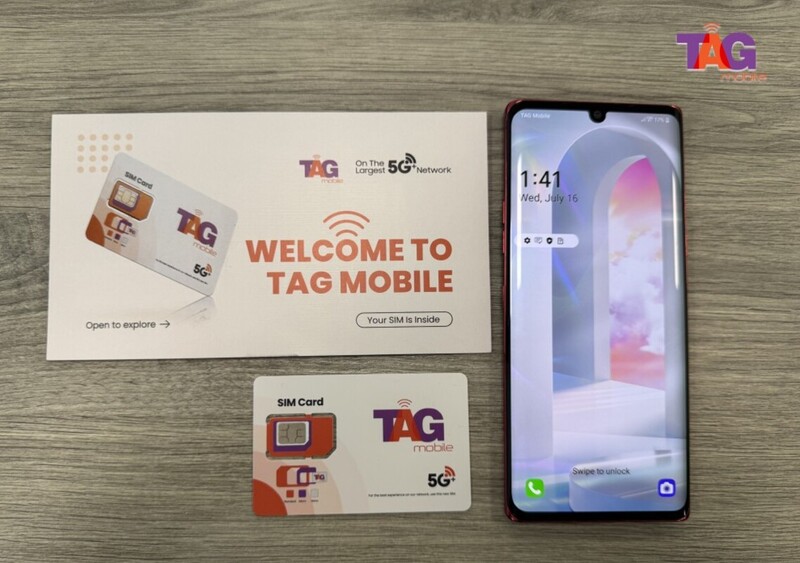
- TAG Mobile – A leading Lifeline provider offering free phone plans, free or low-cost phones, and excellent value for eligible users.
- AirTalk Wireless – Provides free phones and mobile service to eligible households.
- Assurance Wireless – Offers free talk, text, and data plans on a major network and often includes a free basic smartphone.
- TruConnect – Offers unlimited talk, text, and data plans where available through Lifeline.
- Cliq Mobile – Available in select states, providing Lifeline service with free or low-cost devices.
Each provider may differ in what they offer, including the type of device, data limits, and network coverage. That is why it is helpful for low-income Americans to compare options and pick the one that works best for their needs.
3. How to Choose the Right Lifeline Provider for You
3.1. Coverage and Network Quality
Different Lifeline providers use different networks, such as T-Mobile, AT&T, or Verizon. This means coverage and signal strength can vary depending on where you live.
Check your area using the official USAC “company locator” to see which providers are available in your ZIP code. Choosing a provider with good coverage ensures reliable talk, text, and data service when you need it most.
3.2. Device vs BYOD
Many free Lifeline phone service providers give a free or low-cost smartphone when you sign up. Some, like TAG Mobile, also allow BYOD, which means you can use your own unlocked phone.
- Free device option: Best if you do not have a smartphone or your current phone is not compatible.
- BYOD option: Good if you already own a phone you like. This gives you flexibility and avoids waiting for a new device to arrive.
3.3. Data Needs & Usage
Think about how much data you use each month. If you mostly make calls and send texts, any plan might work. If you use mobile internet for work, school, or job searches, pick a plan with more data.