Who Qualifies for VA Benefits for Assisted Living? Eligibility Explained
VA assistance can help eligible veterans and surviving spouses manage some long-term care expenses, but qualification depends on more than military service alone. Understanding who...
Quincy D.-Aug 20, 2026
Image by Unsplash
Table of Contents
VA assistance can help eligible veterans and surviving spouses manage some long-term care expenses, but qualification depends on more than military service alone. Understanding who qualifies for VA benefits for assisted living means reviewing service history, pension eligibility, financial requirements, and the need for help with daily activities or supervision.
Programs such as Aid and Attendance may provide additional monthly support when specific VA criteria are met.
1. Do VA Benefits Cover Assisted Living?
VA benefits generally do not pay an assisted living community directly or cover the entire monthly cost of housing and care. Residents usually need to combine VA support with personal income, savings, insurance, or other financial resources.
Eligible veterans and surviving spouses may receive pension benefits such as Aid and Attendance to help offset qualifying care expenses. These payments can support costs related to personal assistance, supervision, and other daily care needs provided within an assisted living setting.
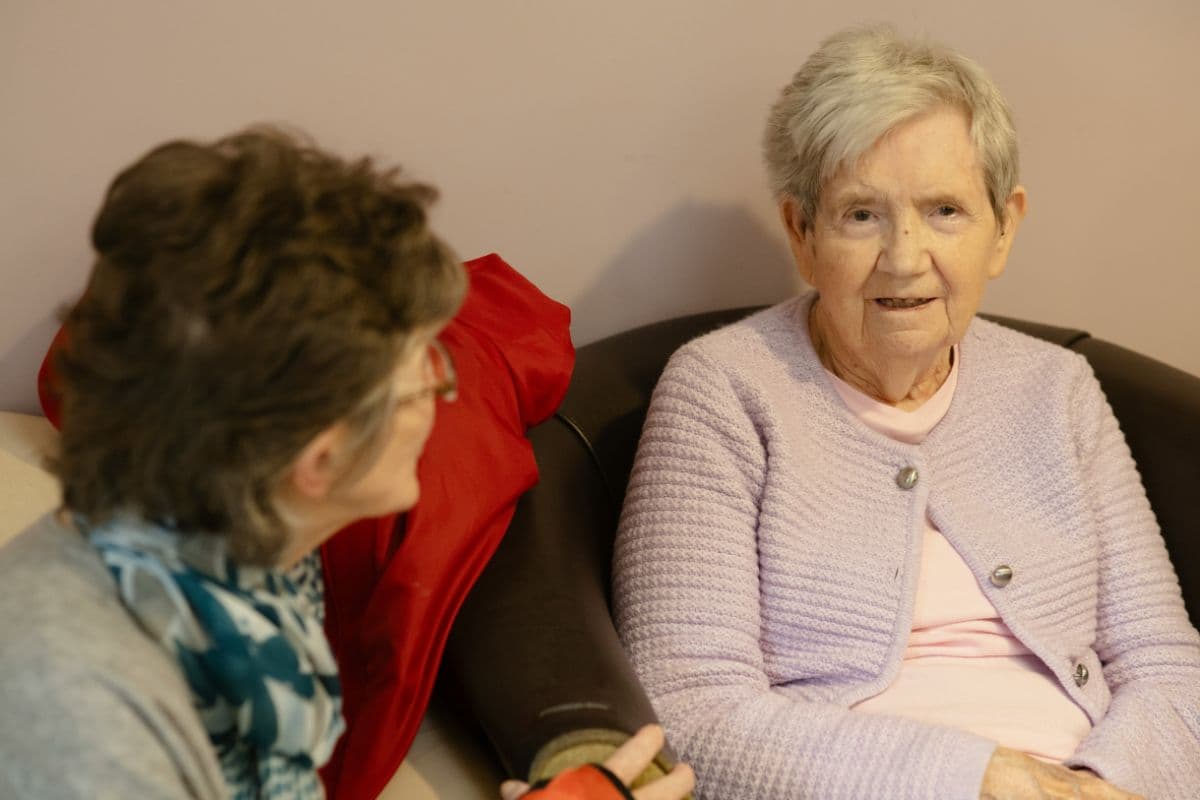
Who qualifies for VA benefits for assisted living? The answer is VA benefits do not directly cover assisted living but may help pay for eligible care needs. (Image by Unsplash)
2. Who Qualifies for VA Benefits for Assisted Living?
Eligibility for senior-care assistance depends on several factors beyond simply having served in the military.
Service history, age or disability, financial limits, and the need for daily support all help determine whether a veteran or qualifying survivor can receive pension-related benefits.
For families researching who qualifies for VA benefits for assisted living, these are the main eligibility areas to review:
Service history: Veterans Pension generally requires qualifying wartime service and discharge under conditions other than dishonorable. Exact service-length rules depend on when the veteran served.
Age or disability requirements: Veterans may qualify for pension if they meet age requirements or have a qualifying permanent and total disability, subject to the program’s other rules.
Financial eligibility: Income and net worth must remain within VA limits. Household finances are reviewed when determining pension eligibility and the amount payable.
Need for daily assistance: Aid and Attendance may be added to a qualifying pension when a veteran or survivor needs help with activities such as bathing, dressing, eating, or other daily tasks.
Surviving spouses and dependent children: Certain surviving spouses and unmarried dependent children of wartime veterans may qualify for a Survivors Pension when applicable income, net worth, and other eligibility requirements are met.
3. Which VA Benefits Can Help With Assisted Living?
Several VA programs can provide healthcare services or monthly payments that may help veterans and qualifying survivors manage long-term care expenses.
The right option depends on service history, health needs, disability status, income, assets, and whether the applicant already receives other VA benefits.
VA Health Benefits for Long-Term Care
Veterans enrolled in VA health care may qualify for certain long-term care services delivered at home, in the community, or in residential settings. Available support can include help with activities of daily living, respite care, physical therapy, and palliative care when VA determines there is a clinical need and the service is available locally.
Eligibility also depends on factors such as enrollment status, service-connected disability, and other coverage. VA health care does not automatically pay every assisted living expense or guarantee placement in a specific community.
VA Pension and Aid & Attendance
The Veterans Pension provides tax-free monthly payments to qualifying wartime veterans who meet service, age, disability, income, and net worth requirements. Aid and Attendance can increase a pension when the veteran needs help with daily activities, is bedridden, has qualifying vision limitations, or meets other care-related criteria.
For families researching who qualifies for VA benefits for assisted living, this benefit is especially relevant because the additional pension income can help offset personal-care and residential expenses. Current payment amounts vary by dependents and eligibility circumstances.
VA Disability Compensation
Disability compensation provides tax-free monthly payments to veterans with illnesses or injuries caused or worsened by active military service. Unlike Veterans Pension, eligibility is not based on income or net worth, and wartime service is not required. VA assigns a disability rating based on the severity of each service-connected condition, and that rating helps determine the monthly payment amount.
Veterans receiving compensation can generally use the money toward everyday expenses, including assisted living costs. Current rates range according to disability percentage and, at higher ratings, dependent status.
VA Survivors Pension
The Survivors Pension provides monthly payments to qualifying surviving spouses and unmarried dependent children of wartime veterans. Eligibility depends on the deceased veteran’s qualifying service as well as the survivor’s income and net worth.
Because the benefit is paid to the eligible survivor rather than directly to an assisted living community, the monthly funds can help with housing, personal care, and other living expenses. Survivors who require help with daily activities may also qualify for additional Aid and Attendance payments if they meet the applicable care requirements.
Dependency and Indemnity Compensation (DIC)
Dependency and Indemnity Compensation is a tax-free monthly benefit for certain surviving spouses, children, and parents of veterans whose death was connected to military service or who met other qualifying circumstances.
DIC differs from the Survivor’s Pension because it is tied primarily to service-connected death rather than financial need. Eligible recipients can use the monthly payment toward living expenses, including senior care. For 2026, the basic surviving-spouse DIC rate starts at $1,699.36 per month, with additional amounts possible in qualifying situations.
(Image by Pexels)
4. Comparing VA Benefits v.s Medicare vs. Medicaid for Assisted Living
These programs can all support older adults, but they serve different populations and cover different types of care.
For families researching who qualifies for va benefits for assisted living, comparing VA assistance with Medicare and Medicaid makes it easier to see which program may help with medical services, long-term support, or monthly care expenses.
Program
Who It Mainly Serves
Assisted Living Support
Key Limitation
VA Benefits
Eligible veterans and certain qualifying survivors
May provide long-term care services, pension payments, or Aid and Attendance benefits that can help offset care expenses
VA generally does not pay standard room and board in private assisted living settings
Medicare
Primarily adults age 65+ and certain younger people with qualifying disabilities
Covers eligible healthcare such as doctor visits, hospital care, and certain short-term skilled services
Does not cover most long-term custodial care or standard assisted living costs
Medicaid
Eligible low-income individuals who meet state requirements
May cover long-term services and supports through state Medicaid or HCBS programs, including certain services in assisted living settings
Coverage, eligibility, and participating facilities vary significantly by state
VA long-term care assistance depends on clinical need, eligibility, service availability, and the specific benefit involved.
Medicare focuses mainly on medical care rather than ongoing custodial support, while Medicaid is generally the public program with the broadest role in long-term services for financially eligible individuals.
5. Questions about VA Benefits for Assisted Living
Eligibility rules vary depending on the applicant’s relationship to the veteran and the specific benefit involved. Reviewing pension, survivor, and disability programs separately can make the available options much easier to understand.
Can a Veteran’s spouse receive assisted living benefits?
Current spouses do not automatically receive a separate assisted living benefit simply because their veteran partner qualifies for assistance. However, spouses can affect pension payment amounts, while eligible surviving spouses may qualify for a Survivors Pension and additional Aid and Attendance payments when financial, service, and care requirements are met.
Does VA disability compensation pay for assisted living?
Disability compensation provides tax-free monthly payments to veterans with qualifying service-connected conditions. The money is not restricted specifically to assisted living expenses, so recipients may use it toward housing, personal care, transportation, or other needs. Payment amounts depend largely on the veteran’s disability rating and dependent status.
Do you have to be disabled to qualify for VA pension benefits?
Disability is not always required for Veterans Pension eligibility. Veterans age 65 or older may satisfy the age or disability condition if they also meet applicable wartime service, discharge, income, and net-worth requirements. Other qualifying situations can include receiving SSDI, SSI, or living in a nursing home because of disability.
6. Final Thoughts
Military-related assistance can make long-term care expenses easier to manage for eligible families. Understanding who qualifies for VA benefits for assisted living requires reviewing service history, financial limits, disability status, and care needs. Veterans and qualifying survivors may access pensions, Aid and Attendance, disability compensation, or survivor benefits, each with its own eligibility rules and payment structure.
Share
TAG Blog
Stories, guides, and helpful updates for staying connected.