When to Move from Assisted Living to Memory Care? 8 Signs Families Should Watch For
A move to memory care is not determined by a dementia diagnosis alone. Families considering when to move from assisted living to memory care should look at whether increasing confu...
Quincy D.-Aug 22, 2026
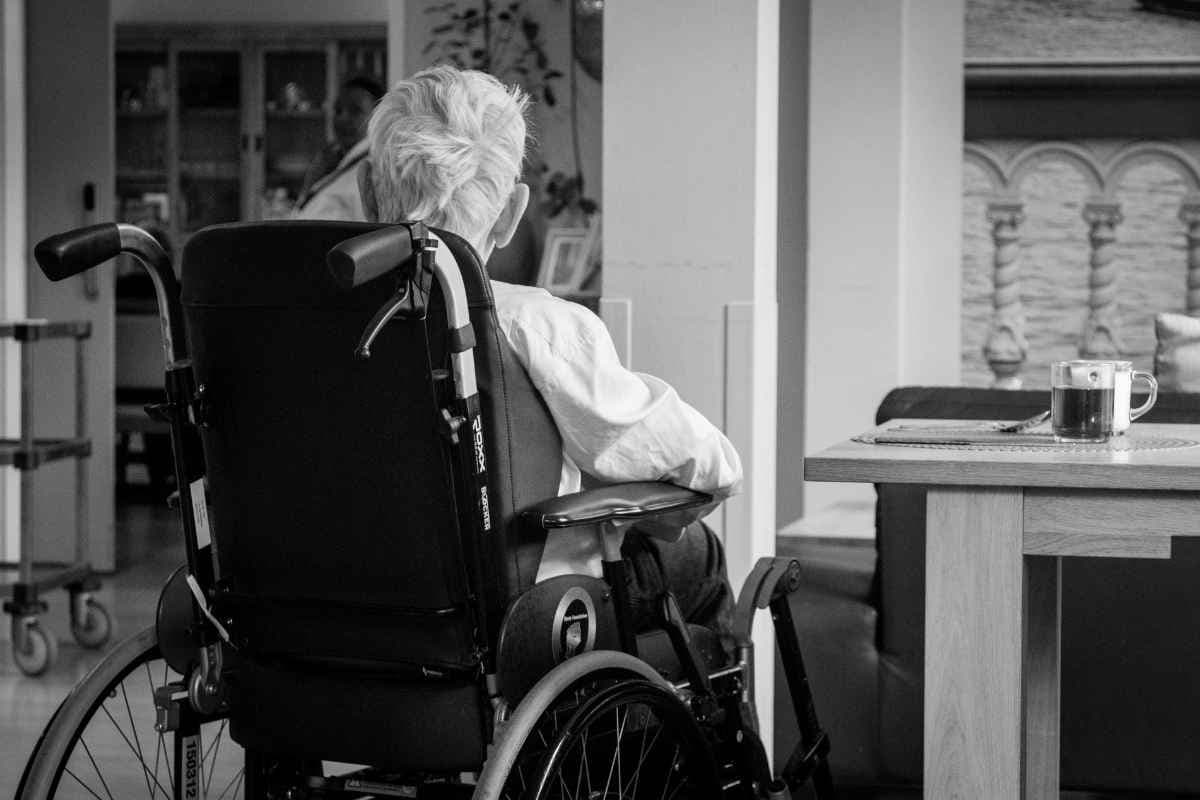
Image by Unsplash
Table of Contents
A move to memory care is not determined by a dementia diagnosis alone. Families considering when to move from assisted living to memory care should look at whether increasing confusion, wandering, behavioral changes, or declining judgment are creating needs that traditional assisted living can no longer safely manage.
Read our guide for further instructions.
1. When to Move from Assisted Living to Memory Care?
Dementia-related needs often progress gradually, making it difficult to identify one exact moment when a higher level of support becomes necessary. Changes that affect safety, self-care, medication routines, or the ability to function without repeated guidance may signal that specialized memory care deserves consideration.
Wandering or Exit-Seeking Has Started
Wandering or repeatedly attempting to leave the community can create significant safety concerns, particularly when a resident no longer recognizes surroundings or understands how to return safely.
Memory care communities are typically designed with enhanced security and layouts intended to reduce risks associated with dementia-related wandering. Families deciding when to move from assisted living to memory care should take recurring exit-seeking seriously, especially when ordinary supervision is no longer enough to keep the resident safe.
The Resident Frequently Gets Lost or Disoriented
Repeated confusion about rooms, hallways, dates, people, or familiar routines may indicate that the resident needs more consistent dementia-specific guidance. Getting lost within an assisted living community can increase anxiety and raise the risk of unsafe situations.
Memory care settings generally provide structured environments, trained caregivers, and predictable routines that can make navigation easier for people experiencing cognitive decline while reducing the amount of independent decision-making required throughout the day.
Medication Management Has Become More Difficult
Missed doses, repeated requests for medication, refusal to take prescriptions, or confusion about medication schedules can become increasingly risky as dementia progresses.
Assisted living may provide medication reminders or management, but more advanced cognitive impairment can require closer oversight and frequent monitoring.
Memory care staff are trained to work with residents experiencing dementia-related confusion and can incorporate medication routines into a more structured daily care plan based on individual needs.
Personal Care Needs Are Increasing
Declining hygiene can appear when a resident forgets to bathe, change clothes, brush their teeth, use the toilet appropriately, or complete other everyday tasks. Increasing dependence on caregivers for activities of daily living may suggest that current support is becoming insufficient.
Memory care communities provide assistance with many of these same tasks as assisted living, but care is delivered within an environment specifically designed for residents with dementia who may need more frequent prompting and supervision.
Confusion Is Interfering With Everyday Routines
Difficulty following meals, appointments, activities, housekeeping routines, or familiar daily sequences can make ordinary assisted living increasingly challenging. Residents may become frustrated when they cannot remember what comes next or why a particular activity is happening.
Structured schedules and dementia-focused approaches can provide clearer cues and greater consistency. When confusion begins affecting most parts of daily life, it may be another indication of when to move from assisted living to memory care.
Behavioral Changes Are Becoming Harder to Manage
Agitation, aggression, resistance to care, anxiety, or significant personality changes can become more pronounced as dementia progresses. These behaviors may require caregivers who understand dementia-related triggers and know how to respond without unnecessarily escalating distress.
Memory care communities typically employ staff with dementia-specific training and use individualized routines and activities intended to support emotional well-being. Increasing behavioral challenges should therefore be discussed with care staff and the resident’s healthcare team.
The Resident Needs Frequent Redirection or Supervision
Constant reminders about where to go, what to do, when to eat, or how to complete basic routines may indicate that occasional assistance is no longer enough. As cognitive decline progresses, residents may depend more heavily on caregivers for direction throughout the day.
Assisted living generally encourages greater independence, while memory care provides more consistent supervision and dementia-focused guidance. When frequent redirection becomes necessary, a setting with trained staff available to offer repeated support may better match the resident’s changing needs.
The Current Assisted Living Community Cannot Safely Meet Their Needs
Even a high-quality assisted living community has limits on the level of dementia care, supervision, and behavioral support it can provide. Staff may recommend a transition when a resident’s condition exceeds those capabilities or creates ongoing safety concerns.
Families should ask exactly which needs can no longer be managed, what memory care would provide differently, and how the transition will be coordinated before choosing the next community.
2. Assisted Living vs. Memory Care: What Actually Changes?
The distinction goes beyond having more staff nearby. Memory care combines many assisted living services with dementia-specific training, additional supervision, enhanced security, and routines designed around cognitive impairment.
For families weighing when to move from assisted living to memory care, comparing the resident’s current abilities with these differences can reveal whether their present setting still provides enough structure and protection.
Factor
Assisted Living
Memory Care
Primary Purpose
Supports older adults who need help with everyday tasks while preserving as much independence as possible.
Supports people living with Alzheimer’s disease or other forms of dementia who need specialized cognitive and safety support.
Personal Care
May provide help with bathing, dressing, grooming, mobility, toileting, and medication management.
Provides similar daily assistance, often with more frequent prompting, redirection, and dementia-sensitive approaches.
Supervision
Residents generally retain more independence and may not require continuous observation.
Greater supervision is commonly provided because residents may experience wandering, confusion, or impaired judgment.
Staff Training
Caregivers are trained to support general senior care and activities of daily living.
Staff typically receive dementia-specific training focused on communication, behavior, cognitive decline, and safety.
Safety Features
Standard senior-friendly design may include grab bars, accessible spaces, and emergency systems.
Enhanced security and dementia-friendly layouts may help reduce wandering and confusion.
Daily Routine
Activities and schedules usually allow considerable resident choice and independence.
More structured routines can provide predictability and reduce confusion for residents with dementia.
Activities
Social, recreational, wellness, and community activities are typically available.
Programming is generally adapted to cognitive abilities and may emphasize familiar, meaningful, dementia-focused engagement.
Cost
Usually lower because residents require less specialized supervision.
Commonly costs more due to specialized staffing, security, and increased hands-on support.
Choosing a new community requires more than comparing rooms, prices, or amenities. Families should focus on whether the environment can consistently support the resident’s cognitive abilities, safety risks, personality, medical needs, and familiar routines.
Choose a memory care community based on safety, care quality, staff, and individual needs. (Image by Unsplash)
Evaluate staff training and consistency: Ask how caregivers are trained in dementia care, how often staff turnover occurs, and whether residents regularly interact with caregivers who know their histories, habits, and preferences.
Review safety and supervision: Look closely at secured entrances, wandering-prevention measures, emergency procedures, nighttime supervision, and how staff responds if a resident becomes confused or attempts to leave.
Study the daily routine: Predictable schedules can reduce confusion, so ask how meals, personal care, rest, activities, and bedtime routines are organized while still accommodating individual preferences.
Examine personalized care planning: Strong communities should adapt care to a resident’s medical history, dementia symptoms, communication style, interests, abilities, and changing needs rather than relying on one standard routine.
Observe resident engagement: Watch whether residents are included in meaningful activities and social interactions rather than simply being supervised. Appropriate cognitive, physical, and recreational engagement can be an important part of daily memory care.
Ask how families stay involved: Find out how staff communicates changes in health or behavior, how frequently care plans are reviewed, and how relatives can participate in decisions and everyday community life.
Visit the community personally: Touring allows families to observe staff-resident interactions, cleanliness, noise levels, security, dining, and overall atmosphere. Comparing several communities can provide valuable perspective before committing.
Match care with future needs: Understanding when to move from assisted living to memory care is only part of the decision; families should also ask whether the community can continue supporting the resident as dementia progresses and care requirements become more intensive.
4. Free Phone Perks: Keep Familiar Communication Within Reach After the Move
Moving into memory care can change everyday routines, but familiar communication with family members may still provide valuable continuity. Access to an affordable phone service can make regular calls and check-ins easier to maintain.
Lifeline is a federal program that lowers the monthly cost of qualifying phone or internet service for eligible low-income households. Eligibility may be based on income or participation in qualifying programs such as Medicaid or SNAP, and only one Lifeline benefit is generally allowed per household.
TAG Mobile participates in Lifeline and provides wireless service options for eligible customers. The carrier also offers discounted and free device options along with the Lifeline-supported plans, giving users several ways to choose communication equipment that fits their needs and budget.
Device preferences vary considerably, especially when screen size, simplicity, portability, and familiarity matter. Below are some of the most sought-after devices, including both smartphones and a tablet so families can consider which one suits their needs.
iPhone 13: Features a 6.1-inch Super Retina XDR display, A15 Bionic chip, 5G connectivity, and dual cameras for strong performance and photography.
Samsung Galaxy S20 5G: Offers a 6.2-inch high-refresh-rate display, 5G connectivity, and versatile triple cameras for multitasking and photography.
FOXXD C67: Features a 6.75-inch display and 5,000mAh battery, a practical choice for users prioritizing screen size and battery life.
TCL 20 SE: Combines a large 6.82-inch display and 5,000mAh battery, making it well suited to media viewing and extended everyday use.
Samsung Galaxy Tab A 2018: Provides a larger tablet display for easier reading, video viewing, browsing, and other digital activities.
Device availability, pricing, discounts, and Lifeline offerings can vary by location and eligibility, so customers should review the current product page and enrollment requirements before applying through TAG Mobile.
Note: Eligibility varies by state and program. Offers depend on availability and qualifications. TAG Mobile operates under the federal Lifeline Program as an Eligible Telecommunications Carrier (ETC). Service is non-transferable and limited to one service per household.
5. FAQs about Moving From Assisted Living to Memory Care
Questions about timing often become more urgent as dementia begins affecting safety and independence. Looking at the resident’s actual daily needs rather than relying only on a diagnosis or disease stage can provide a clearer basis for deciding what level of care is appropriate.
At what stage of dementia is memory care needed?
There is no single dementia stage that automatically requires memory care. The need is usually driven by safety concerns, wandering, behavioral changes, declining hygiene, confusion, or the need for supervision that the current living arrangement can no longer provide.
Does wandering mean someone needs memory care?
Wandering can be an important warning sign because it may expose a person with dementia to getting lost, leaving a secure environment, or entering unsafe areas. Memory care should be considered when wandering becomes recurrent and existing supervision or safety measures cannot manage the risk effectively.
How long does it take to adjust to memory care?
Adjustment varies significantly from person to person, so there is no universal timeline. Familiar belongings, predictable routines, consistent caregivers, family involvement, and individualized support may help residents feel more comfortable as they become accustomed to their new surroundings.
Can Medicaid help pay for memory care?
Medicaid may help cover certain long-term services and supports for eligible individuals through state-specific Home and Community-Based Services programs or waivers. Coverage varies by state and program, so families should verify whether services provided in a particular memory care setting qualify and what expenses remain their responsibility.
6. Final Thoughts
Safety concerns, increasing confusion, behavioral changes, and growing dependence on daily supervision can all signal when to move from assisted living to memory care. Families should compare current care needs with the support each community can realistically provide. Careful planning, open communication, and attention to future changes can make the transition more appropriate, comfortable, and sustainable.