What Is the Hardest Language to Learn? It Depends on Who’s Learning
Learning a new language can take months or years, but the amount of effort required varies widely from one language to another. Differences in writing systems, pronunciation, gramm...
Quincy D.-Sep 30, 2026
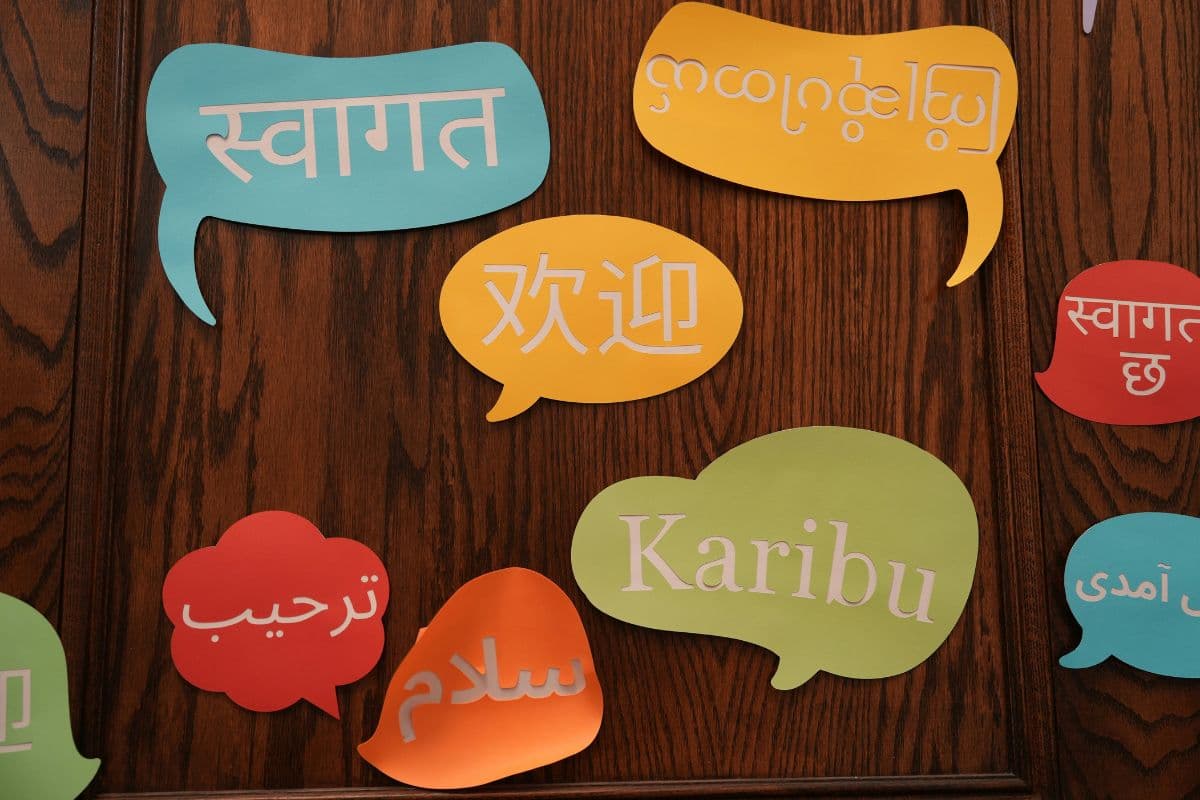
Image by Unsplash
Table of Contents
Learning a new language can take months or years, but the amount of effort required varies widely from one language to another. Differences in writing systems, pronunciation, grammar, vocabulary, and cultural context can all influence the learning curve.
So, what is the hardest language to learn, and is there an objective way to measure language difficulty? This guide looks at established language-training benchmarks and the linguistic features that can make certain languages particularly challenging.
1. What Is the Hardest Language to Learn in the World?
There is no single language that can be labeled the hardest for every learner because language difficulty depends partly on the learner’s native language and previous linguistic experience.
For native English speakers, however, the U.S. Department of State’s Foreign Service Institute (FSI) provides a useful training-based benchmark. FSI places Arabic, Cantonese, Mandarin Chinese, Japanese, and Korean in Category IV, describing them as “super-hard languages” that are exceptionally difficult for native English speakers.
ts training timeline estimates about 88 weeks, or 2,200 class hours, to reach General Professional Proficiency, or approximately Speaking-3/Reading-3 on the Interagency Language Roundtable scale.
These languages present different challenges for English-speaking learners:
Japanese: Learners must navigate three writing systems: hiragana, katakana, and kanji. Japanese also differs substantially from English in sentence structure and uses different levels of politeness and formality depending on social context.
Mandarin Chinese: Mandarin uses a character-based writing system and lexical tones, meaning changes in pitch can distinguish words. This requires English speakers to develop unfamiliar reading, writing, listening, and pronunciation skills.
Cantonese: Like Mandarin, Cantonese uses Chinese characters and relies heavily on lexical tones. Its spoken sound system includes multiple tone distinctions that can change meaning, creating an additional listening and speaking challenge for learners from non-tonal language backgrounds.
Arabic: English speakers encounter a different writing system, unfamiliar sounds, and substantial grammatical differences. Learners may also need to understand the relationship between Modern Standard Arabic, used in many formal contexts, and regional spoken varieties.
Korean: Hangul itself is relatively systematic, but learning Korean extends far beyond mastering its alphabet. Sentence structure, verb endings, honorifics, speech levels, and context-dependent forms differ considerably from English and require learners to adjust how they construct sentences and express social relationships.
Difficulty usually comes from how far a new language sits from patterns a learner already knows. Script, sound, grammar, vocabulary, tone, and social conventions can all add extra layers of effort, especially when several challenges appear together.
A Completely Different Writing System
New scripts can slow progress because learners must decode symbols before they can comfortably read words or sentences. Japanese combines kanji with hiragana and katakana, while Arabic uses a different alphabet and writing direction. For English speakers, unfamiliar writing systems often make reading and memorization much more demanding at the beginning.
Unfamiliar Sounds and Pronunciation
Pronunciation becomes difficult when a language uses sounds that do not exist in the learner’s native language. Arabic includes consonants formed deep in the throat, while Korean and Japanese distinguish sounds in ways English speakers may not initially notice. Repeated listening and speaking practice are often necessary before these contrasts feel natural.
Tonal Meaning
Tonal languages use pitch changes to distinguish word meaning, so pronunciation affects vocabulary directly. Mandarin uses four main lexical tones, while Cantonese has a more complex tone system. For learners asking what is the most hardest language to learn is, tonal differences are one reason Chinese varieties are frequently described as challenging for English speakers.
Difficulty usually comes from how far a new language sits from patterns a learner already knows. (Image by Unsplash)
Complex Grammar
Some languages organize sentences, verbs, cases, or politeness very differently from English. Korean and Japanese often place verbs near the end of sentences and rely heavily on particles, while Arabic includes extensive verb patterns and agreement rules. Grammar becomes especially demanding when familiar English sentence structures cannot be transferred directly.
Little Shared Vocabulary With English
Learning feels slower when very few words resemble familiar English vocabulary. Languages such as Japanese, Korean, Arabic, and Mandarin share less everyday vocabulary with English than languages such as Spanish or French. For anyone wondering what is the hardest language to learn, this vocabulary distance can significantly increase memorization time.
Formality and Social Context
Some languages change vocabulary, verb forms, or sentence endings depending on social relationships. Japanese and Korean, for example, use multiple levels of politeness that reflect age, status, familiarity, and situation. Learners therefore need more than grammar knowledge; they must also understand when a particular expression sounds respectful, casual, or inappropriate.
Multiple Dialects or Language Varieties
Regional varieties can create an extra learning challenge when pronunciation, vocabulary, or grammar differs noticeably from the standard form. Arabic learners may study Modern Standard Arabic while encountering very different spoken dialects, and Chinese learners may encounter Mandarin, Cantonese, and other varieties. Choosing the right variety early can make study more focused.
3. Tips for Learning One of the World’s Hardest Languages
Progress becomes much easier when difficult languages are broken into smaller, repeatable skills rather than treated as one huge challenge. Consistency, active exposure, and targeted practice usually matter more than trying to master everything at once.
Choose the right language variety: Decide whether you need Standard Mandarin, Cantonese, Modern Standard Arabic, a regional Arabic dialect, or another specific form before investing heavily in materials.
Learn the sound system early: Spend time on tones, unfamiliar consonants, vowel distinctions, and rhythm before incorrect habits become difficult to change.
Build the writing system gradually: Learn a small number of characters, letters, or symbols each day instead of attempting hundreds at once.
Study high-frequency vocabulary first: Prioritize words and expressions that appear often in daily conversation, media, travel, school, or work.
Use spaced repetition: Flashcard systems can help review vocabulary, characters, and grammar at carefully timed intervals.
Listen every day: Short podcasts, videos, songs, and conversations expose you to natural pronunciation and sentence patterns even before you understand everything.
Practice speaking early: Waiting until your grammar feels perfect can slow progress. Short conversations help build confidence and reveal gaps much faster.
Learn phrases in context: Memorizing complete expressions can make grammar and vocabulary easier to recall than studying isolated words.
Set realistic expectations: For example, someone researching what is the hardest language to learn for English speakers may see Japanese, Mandarin, Cantonese, Arabic, or Korean mentioned frequently, but steady practice can make any of them manageable over time.
4. How Can Smartphones Be Transformed Into Language Learning Hubs?
Language learning often depends on steady access to videos, dictionaries, pronunciation tools, online classes, and communication apps. Lower-cost mobile service can make those resources easier to use without adding as much pressure to the monthly budget.
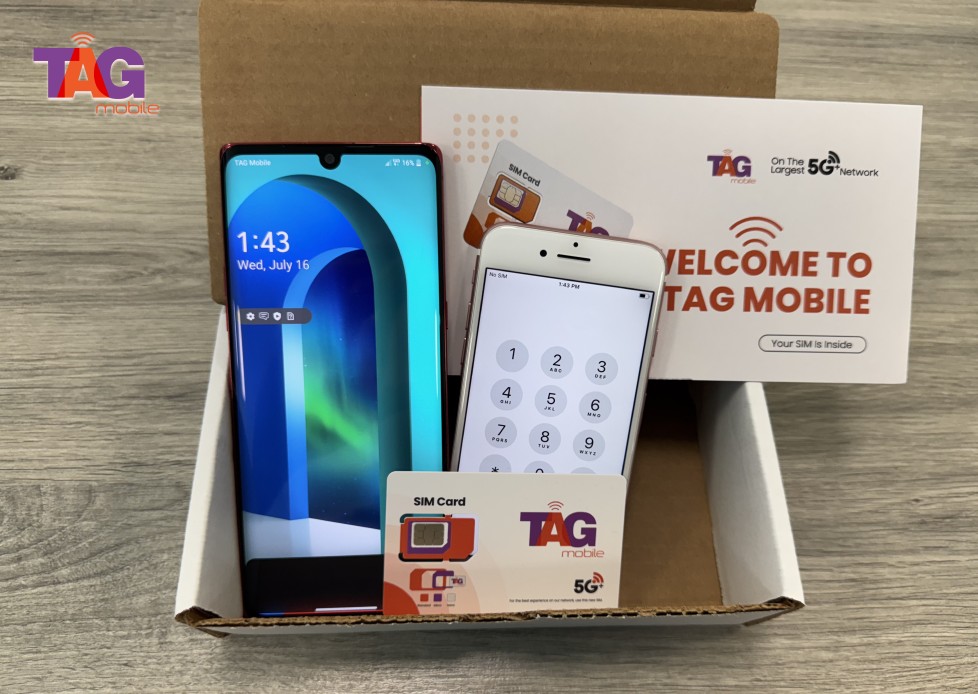
TAG Mobile is a Houston-based wireless provider and Eligible Telecommunications Carrier that offers Lifeline-supported service to qualifying customers. Many users choose TAG Mobile because the service combines federal Lifeline support with additional provider benefits designed to keep everyday mobile access affordable.
Free or discounted devices: Eligible customers may receive a free smartphone or choose discounted upgrades, depending on state, ZIP code, and inventory.
Up to 16GB of data: Useful for language apps, online lessons, streaming practice, dictionaries, and educational websites.
Unlimited talk and text: Helpful for study groups, tutors, teachers, and everyday communication.
Free international calling to 200+ countries and territories: Useful for staying in touch with relatives, language partners, or contacts abroad.
Free delivery with no contract or credit check on qualifying Lifeline offers.
Receiving these benefits starts with Lifeline eligibility. Applicants generally qualify either through participation in an approved assistance program or through household income at or below 135% of the Federal Poverty Guidelines.
Applying for a free phone through TAG Mobile follows a straightforward process:
Verify eligibility: Confirm qualification through household income or an accepted assistance program.
Prepare documents: Keep proof of identity, address, and eligibility ready in case verification is required.
Check your ZIP code: Enter your location to confirm TAG Mobile service and see which plans and devices are available nearby.
Review the plan: Check the data allowance, unlimited talk and text, international calling, and other features available in your state.
Choose a device: Compare free smartphones and discounted upgrades shown for your ZIP code. Premium models may cost extra, while available free-phone models depend on current inventory.
Submit the application: Complete the online form with accurate household and eligibility information.
Complete enrollment: Once approved, confirm the order and follow the delivery and activation instructions. TAG Mobile currently states that qualifying free phones are shipped with free delivery.
Apply now and get the free device and data that you need!
Note: Eligibility varies by state and program. Offers depend on availability and qualifications. TAG Mobile operates under the federal Lifeline Program as an Eligible Telecommunications Carrier (ETC). Service is non-transferable and limited to one service per household.
5. FAQs about the Hardest Languages to Learn
Language difficulty depends heavily on what you already speak, how often you practice, and which skills you prioritize. These questions compare common challenges across Japanese, Chinese, and English without treating one language as universally difficult for everyone.
Is Japanese harder to learn than Chinese?
It depends on the learner. Japanese can be challenging because of kanji, multiple writing systems, grammar, and politeness levels, while Mandarin Chinese adds tonal pronunciation and thousands of characters. English speakers may find different parts of each language difficult.
How long does it take to learn the hardest language?
There is no single timeline because progress depends on study hours, exposure, motivation, and the learner’s native language. Reaching professional proficiency in languages such as Japanese, Mandarin, Arabic, or Korean can take years of consistent study and regular real-world practice.
Is English one of the hardest languages to learn?
English can be difficult because of irregular spelling, pronunciation, phrasal verbs, idioms, and inconsistent grammar patterns. However, speakers of closely related languages may find it easier than learners whose native language has a very different structure or writing system.
Final Thoughts
No single language is difficult for exactly the same reasons. When comparing what is the hardest language to learn, factors such as writing systems, tones, grammar, pronunciation, and native-language background all matter.
Japanese, Mandarin, Cantonese, Arabic, and Korean each bring different challenges, but steady practice can make progress manageable. TAG Mobile can also help eligible learners stay connected through Lifeline-supported service.
Share
TAG Blog
Stories, guides, and helpful updates for staying connected.