What Is an Assisted Living Facility and How Does It Work?
Older adults who need help with everyday tasks may benefit from a residential setting that balances support with personal independence. Understanding what is an assisted living fac...
Quincy D.-Aug 20, 2026
Image by Unsplash
Table of Contents
Older adults who need help with everyday tasks may benefit from a residential setting that balances support with personal independence. Understanding what is an assisted living facility means looking at how housing, meals, housekeeping, medication assistance, transportation, and social activities are combined in one community. The level of help varies by resident, allowing care plans to adapt as mobility, safety, or daily living needs change.
1. What Is an Assisted Living Facility?
Residential care communities are designed for older adults or people with disabilities who can still manage parts of daily life independently but need help with certain routines. Support may include meals, housekeeping, transportation, medication assistance, bathing, dressing, and mobility.
Residents usually live in private or shared rooms while receiving care based on individual needs. The goal is to provide practical support and a safer environment without removing more independence than necessary.
2. What Services Does an Assisted Living Facility Provide?
Daily life can become easier when practical support is available without taking away more independence than necessary.
When families ask what is an assisted living facility, the answer often includes a combination of personal care, meals, household help, medication support, and opportunities to stay socially active.
Personal care assistance: Caregivers may help with bathing, dressing, grooming, eating, mobility, and other routine activities based on each resident’s needs.
Daily meals: Communities typically provide regular meals, often in shared dining areas that also give residents opportunities to socialize.
Housekeeping and maintenance: Staff usually handle cleaning, basic maintenance, and common-area upkeep so residents do not have to manage these tasks alone.
Medication management: Support may include tracking doses and schedules, helping with difficult containers, and making sure medications are taken as directed.
24-hour caregiver availability: Staff is generally available around the clock to respond to scheduled personal-care needs and unexpected situations.
Social activities and outings: Programs may include games, fitness activities, crafts, concerts, community events, and local outings that encourage connection and engagement.
Convenience services: Depending on the community, residents may also have access to laundry, transportation, salons, fitness spaces, libraries, or other on-site amenities.
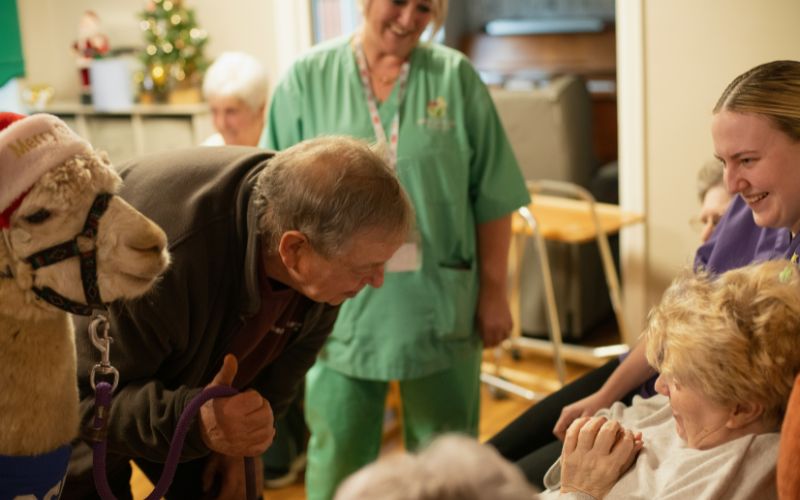
Assisted living provides housing, meals, personal care, and daily support. (Image by Unsplash)
3. What Does an Assisted Living Facility Usually Not Provide?
Residential support can cover many everyday needs, but it has clear limits when a resident requires intensive medical treatment or continuous supervision. Recognizing those boundaries helps families decide whether a nursing home, memory care community, hospice provider, or another specialized setting may be more appropriate.
Round-the-clock intensive medical treatment
These communities are not acute-care settings and generally do not provide continuous hospital-level monitoring, complex medical procedures, or emergency treatment.
Skilled nursing care
Services such as IV therapy, advanced wound care, feeding-tube management, or other skilled nursing procedures usually require a nursing facility or qualified healthcare provider.
Continuous one-on-one supervision
Staff may be available around the clock, but residents typically do not receive uninterrupted personal monitoring from a dedicated caregiver.
Specialized memory care
Standard communities may not offer secured environments, dementia-trained staff, or wandering-prevention systems. Residents with advanced memory loss may need a dedicated memory care program.
Secure entrances and exits for wandering
Locked or specially monitored entrances are not standard in every community. These safety features are more commonly associated with specialized memory care settings.
Comprehensive palliative or hospice care
Palliative and hospice services require specialized clinical teams and are not automatically part of the standard residential care package, although outside providers may sometimes deliver them on-site.
4. What Is the Average Cost of an Assisted Living Facility?
Assisted living typically costs about $4,000 to nearly $8,000 per month across the U.S., depending on the state, apartment size, and level of care required.
A Place for Mom reports a 2026 national average of about $5,830 per month, with location remaining one of the biggest pricing factors.
5. Frequently Asked Questions about Assisted Living Facilities
Daily life in these communities can vary depending on staffing, medical partnerships, safety policies, and resident independence. These answers clarify several practical concerns families often have before choosing a community.
Do assisted living facilities have nurses?
Many communities have licensed nurses on staff or available for certain hours, but staffing models vary by facility and state regulations. When asking what is an assisted living facility, it is important to remember that nursing support is usually more limited than in a skilled nursing home.
Are doctors available in assisted living facilities?
Doctors are not typically on-site around the clock. Residents usually continue seeing their own physicians, although some communities may arrange visiting providers, telehealth appointments, or transportation to medical offices.
Can residents leave an assisted living facility?
Yes, residents can generally leave for appointments, shopping, family visits, or personal outings as long as they can do so safely. Communities may have sign-out procedures or additional rules for residents with cognitive or mobility concerns.
Can you have a car in assisted living?
Many communities allow residents to keep a personal vehicle if they are still licensed and medically able to drive. Parking availability, fees, and community policies vary, so residents should confirm these details before moving in.
6. Final Thoughts
What is an assisted living facility? In general, it includes housing, meals, personal care, medication support, social activities, and safety services working together as one package.
Costs and staffing levels vary by community, so comparing services carefully matters. The best fit matches current needs while leaving room for future changes in health and mobility.
Share
TAG Blog
Stories, guides, and helpful updates for staying connected.