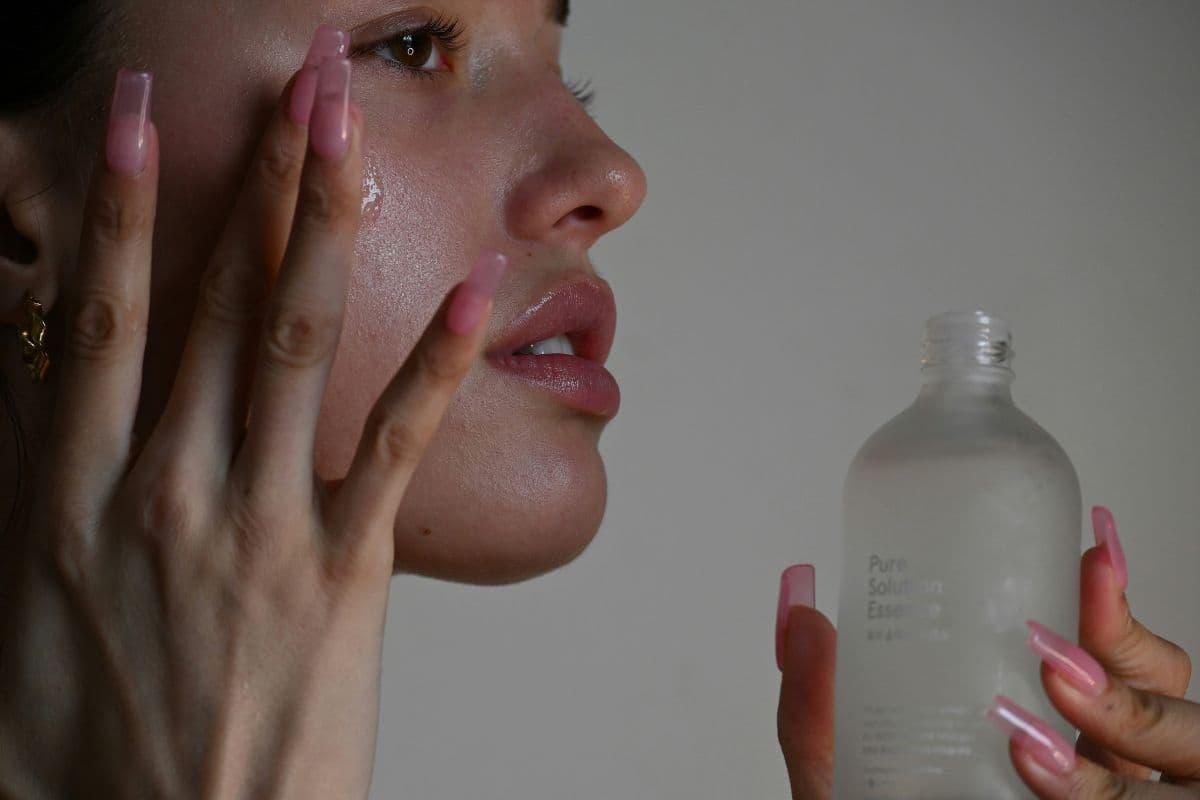
What Does Toner Do? 6 Biggest Benefits and Who Actually Needs It

Toner sits in an interesting spot in a skincare routine: some people consider it essential, while others are not sure they need it at all. Modern formulas can serve very different...

Quincy D.-Oct 07, 2026
What Does Toner Do? 6 Biggest Benefits and Who Actually Needs It
Image by Unsplash

Table of Contents

Toner sits in an interesting spot in a skincare routine: some people consider it essential, while others are not sure they need it at all. Modern formulas can serve very different purposes depending on their ingredients and the needs of your skin.

So, what does toner do, and is it worth adding between cleansing and moisturizing? The answer depends on what you expect from the product, from extra hydration to oil control and gentle exfoliation.

1. What Does Toner Do for Your Face? 6 Possible Benefits

Toner’s effects depend on its ingredients, so one formula may hydrate while another exfoliates or targets excess oil. To answer what does face toner do, consider these six possible benefits rather than expecting every bottle to deliver them all.

1. Removes Residue Left After Cleansing

Sweeping toner over your face with a cotton pad may lift traces of makeup, oil, or debris remaining after washing.

However, it should complement proper cleansing rather than compensate for it. If your pad repeatedly picks up substantial makeup, adjust your makeup removal and cleansing steps before adding more toner.

2. Adds an Extra Layer of Hydration

Humectants such as glycerin and hyaluronic acid help attract water to the skin’s outer layers.

Toners containing these ingredients may leave your face feeling softer and less tight after cleansing. Follow with moisturizer to help retain that hydration, since a lightweight liquid usually cannot provide enough moisture on its own.

3. Prepares Skin for the Next Steps

A hydrating toner can leave the skin lightly damp, creating a comfortable transition between cleansing and moisturizer. However, toner is not required for moisturizers, serums, or treatments to work.

This creates a convenient transition between cleansing and subsequent products, but toner is not required for them to work. Follow treatment instructions carefully, especially when a product specifies application to completely dry skin to reduce irritation.

4. Exfoliates Dead Surface Skin Cells

Exfoliating toners contain ingredients such as glycolic, lactic, or salicylic acid that help remove dead surface cells.

Depending on the formula, this may improve roughness, dullness, or clogged pores over time. Hydrating toners do not necessarily exfoliate, and using acid formulas too frequently can cause dryness, redness, or uncomfortable peeling.

5. Helps Address Specific Skin Concerns

Targeted ingredients give some toners benefits beyond basic hydration. Niacinamide may support the skin barrier and help manage excess oil, while salicylic acid can help unclog pores.

Results depend on concentration, formulation, and consistent use. Toner should support your routine without replacing prescribed treatment for persistent acne or other conditions.

6. Can Make Pores Look Less Noticeable

Pores may appear more prominent when they contain excess oil and accumulated debris. Toners that address congestion or oiliness can sometimes make them look less noticeable over time.

However, toner cannot permanently close pores or erase them. Avoid chasing a tight, stripped feeling, which can signal irritation rather than improvement.
what-does-toner-do-main-benefits
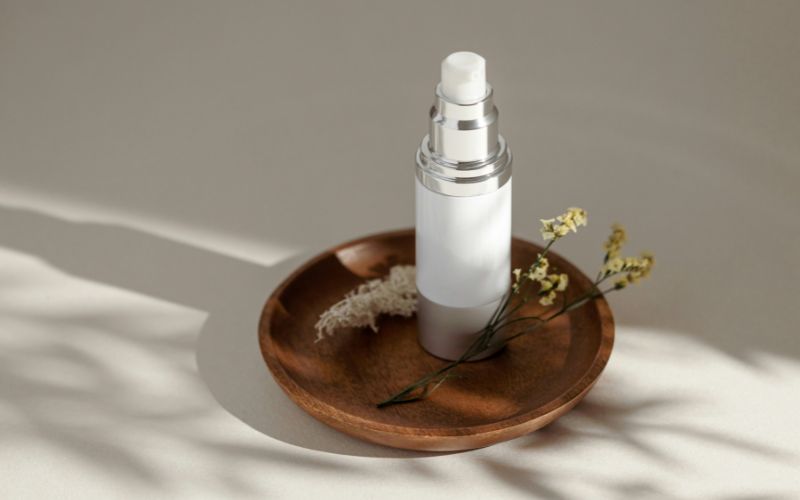
Six possible toner benefits, from added hydration and gentle exfoliation to helping manage excess oil. (Image by Unsplash)

2. What Does Toner Do for Your Skin Type?

Your skin’s current needs matter more than whether a bottle is labeled “refreshing” or “balancing.” Use the comparisons below to identify a suitable formula and avoid adding ingredients that duplicate stronger products already in your routine.

Skin type or concernWhat toner may help withIngredients or formulas to considerWhat to watch for
DryAdds lightweight hydration and reduces post-cleansing tightnessGlycerin, hyaluronic acid, and fragrance-free hydrating formulasStrong astringents or frequent exfoliation that worsen dryness
OilyHelps manage surface oil or congestion, depending on ingredientsNiacinamide or a salicylic acid formula if pores are cloggedStripping formulas that leave skin tight or uncomfortable
Acne-proneMay help reduce clogged pores and support acne careSalicylic acid; gentle hydrating formulas when treatments cause drynessCombining exfoliating toner with several irritating acne products
SensitiveMay provide hydration if the formula is well toleratedSimple, fragrance-free formulas without exfoliating acidsFragrance, essential oils, burning, or persistent redness
DullMay improve surface texture when dead skin contributes to dullnessCarefully introduced lactic or glycolic acid formulasOverexfoliation, particularly when using retinoids
CombinationHydrates dry areas while addressing oilier zones selectivelyGentle hydrating toner; targeted treatment on congested areasApplying a strong exfoliating formula across already-dry cheeks

3. How to Use Face Toner Correctly

Placement and application matter, but frequency should reflect the formula and your skin’s tolerance. If you are asking what does a toner do within a routine, these steps show how it fits between cleansing and moisturizing.

Step 1: Cleanse Your Face

Wash your face with a gentle cleanser and lukewarm water, removing makeup beforehand when necessary.

Rinse thoroughly, then pat gently with a clean towel, leaving skin ready for toner without scrubbing or creating unnecessary friction.

Step 2: Apply a Small Amount of Toner

Dispense a small amount into clean palms or onto a cotton pad, following the label’s directions. Start with enough for a light application; soaking your face does not improve results and can waste the product.

Step 3: Pat or Swipe Gently

Press toner gently onto your face with your palms, or glide a cotton pad across the skin without rubbing. Avoid eyelids, lips, and irritated areas unless the product specifically states that those applications are suitable.


Step 4: Let It Settle

Allow toner to settle briefly until your skin is no longer dripping wet. You usually do not need a lengthy waiting period, but follow any instructions requiring dry skin before applying your next treatment product.

Step 5: Continue With the Rest of Your Routine

Apply your usual serum or treatment according to its directions, then finish with moisturizer. If your toner contains exfoliating acids, check for overlapping active ingredients and simplify the routine when combining products causes persistent irritation.

Step 6: Use Sunscreen During the Day

Finish your morning routine with broad-spectrum SPF 30 or higher, following the sunscreen’s application directions.

Reapply every two hours outdoors and after swimming or sweating; sun protection remains important whether your toner exfoliates or simply hydrates.

>>> Read More: How to Remove Makeup Properly Based on What You’re Wearing

4. 4 Signs Your Toner May Not Be Right for Your Skin

Comfortable skin is a better measure of suitability than a strong tingling sensation or an instantly matte finish. When evaluating what does toner do for your routine, watch for these signs that the formula or application frequency needs reconsideration.

1. Persistent Burning or Stinging

Burning that continues after application is a reason to stop, especially when accompanied by redness or soreness.

You do not need to tolerate discomfort for a toner to work. Rinse it off if it feels painful, pause the product, and keep your routine gentle. Seek medical advice if the reaction is severe or fails to improve.

2. Tightness, Flaking, or Increasing Dryness

Skin that feels stretched after toner, then becomes flaky or rough, may be reacting to an overly drying formula or excessive exfoliation.

More frequent application usually makes this pattern worse. Pause the toner and prioritize gentle cleansing and moisturizing. Once your skin settles, reconsider whether you need toner or would benefit from a simpler hydrating formula.

3. New Breakouts That Keep Worsening

New bumps after introducing toner deserve attention, particularly when they appear in unusual areas or come with itching and irritation.

Do not automatically label every breakout “purging.” Pause the new product and avoid adding other treatments while assessing the change.

Persistent or painful acne is better evaluated by a dermatologist than managed through repeated toner switches.

4. Itching, Rash, or Swelling

Itching, a spreading rash, or swelling can indicate a reaction to an ingredient rather than an adjustment period. Stop using the toner and avoid testing it again on irritated skin.

Get medical advice for persistent symptoms. If you have facial swelling involving the lips or tongue, or any difficulty breathing, it means it requires urgent medical attention rather than a routine skincare change.

5. FAQs about Face Toner

Toner’s place in a routine can be straightforward, while its frequency and results vary considerably. These answers clarify common decisions without assuming that everyone needs the same formula or schedule.

Should I use toner every day?

Gentle hydrating toner may suit daily use if your skin tolerates it, but using toner is optional. Exfoliating formulas often require less frequent application, so follow the label and reduce or stop use if dryness, redness, or irritation develops.

Do you use toner before or after moisturizer?

Apply toner after cleansing and before moisturizer. If you also use a serum or treatment, follow its directions after toner, then moisturize to help retain hydration.

Should toner be used morning or night?

Either time can work, depending on the formula and your routine. Hydrating toner may fit both, while an exfoliating toner may be easier to introduce on selected evenings; avoid doubling applications simply to speed up results.

How long does toner take to work?

Hydrating toner may make skin feel more comfortable shortly after application. Changes in congestion, texture, or uneven tone generally require consistent use over several weeks, with timing depending on the ingredients and concern being addressed.

What’s the difference between toner and essence?

Toners are often lightweight liquids used after cleansing, with formulas ranging from hydrating to exfoliating. Essences usually emphasize hydration and conditioning, although the categories overlap considerably, so compare ingredients rather than assuming you need both.

6. Final Thoughts

Toner earns its place in your routine when its ingredients address a specific skin concern. Rather than focusing only on what does toner do, consider whether your formula adds useful hydration or improves texture without causing irritation. Let your skin’s response guide which products deserve a permanent place on your shelf.

Stay connected with TAG Mobile as you compare everyday guidance and build a routine that suits your needs.

Also read: Dermatologist Medicaid: What Skin Treatments Are Covered in 2026?

Share
TAG Blog

Stories, guides, and helpful updates for staying connected.

Tags

Free PhoneLifeline ProgramSNAP - Food StampsMedicaidWICSSIFree & Discounted TabletProvidersHow To QualifyLifeline Program FactsGovernment SupportLifestyle

Related posts

Lifestyle

12 Best Podcasts for Motivation: Find the Right Show for What You Need Today

Some days call for a practical push to finish a task; others need a voice that helps you regain perspective. Podcasts can meet both needs, but the rig...

Quincy D.-Oct 16, 2026