What Can You Not Buy with EBT? Heads-up to Avoid Getting Rejected
Knowing what can you not buy with EBT can help shoppers avoid declined items, split payments correctly, and plan grocery trips with fewer surprises. While SNAP benefits cover many...
Quincy D.-Jun 15, 2026
Image by Unsplash
Table of Contents
Knowing what can you not buy with EBT can help shoppers avoid declined items, split payments correctly, and plan grocery trips with fewer surprises.
While SNAP benefits cover many eligible foods, they do not apply to alcohol, tobacco, vitamins, medicines, hot prepared meals, or non-food essentials. For a clearer breakdown of restricted items and smarter benefit planning, readers can explore TAG Mobile’s guide below.
1. The SNAP “No List”: What Can You Not Buy with EBT?
SNAP benefits are designed for eligible food purchases, so some items at grocery stores, pharmacies, and restaurants will not qualify at checkout.
Before planning a shopping trip, it helps to know what can you not buy with EBT and which items may need a separate payment method.
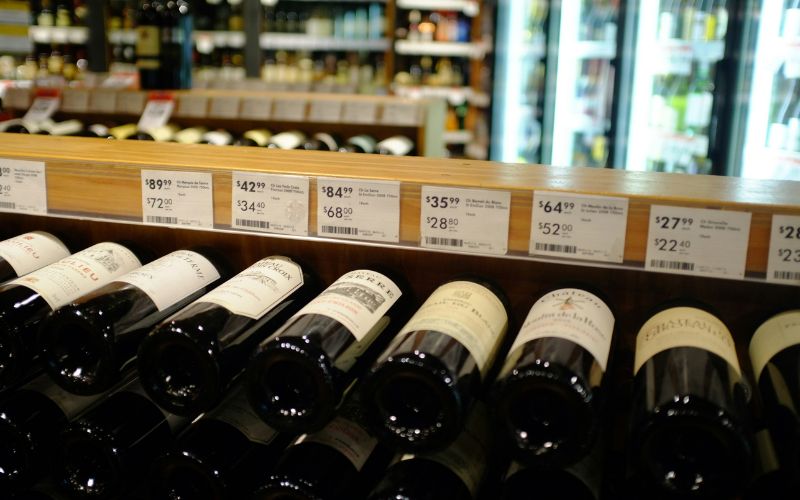
Alcohol and tobacco: EBT cannot be used to buy beer, wine, liquor, cigarettes, tobacco, or vaping products. These items are excluded from SNAP even when they are sold in the same store as eligible groceries.
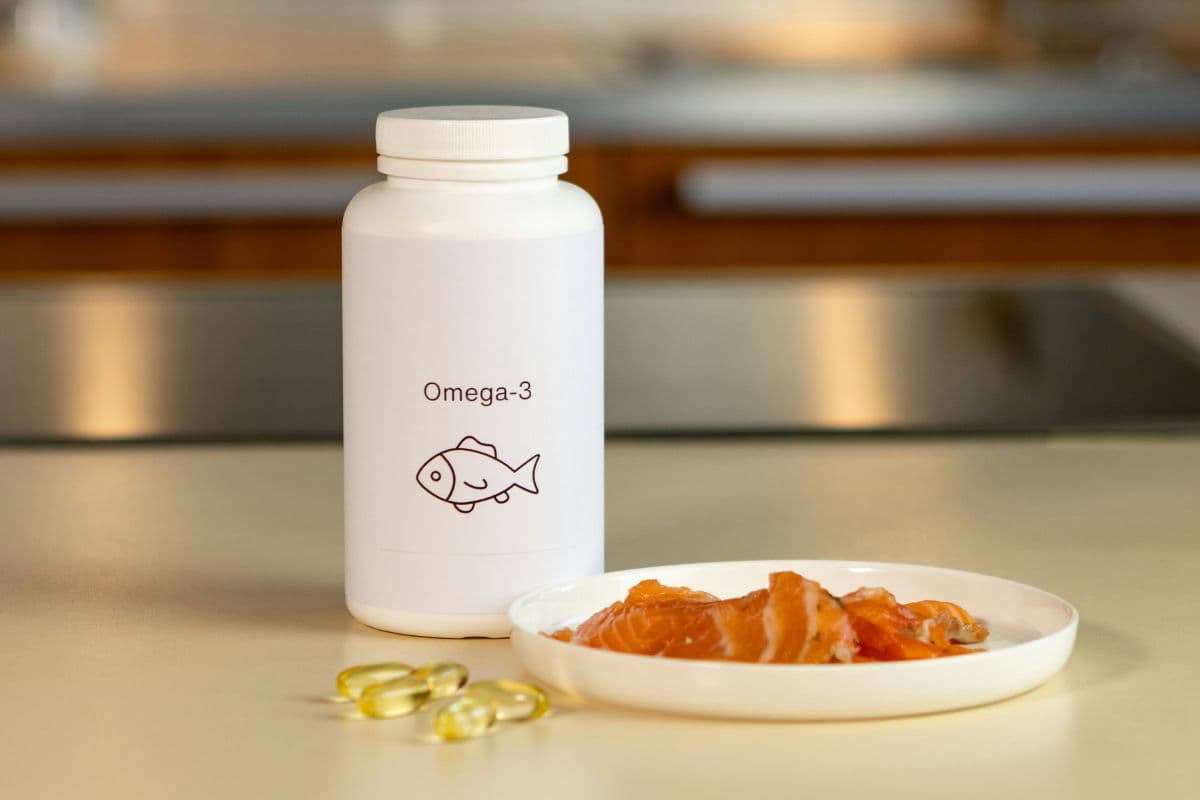
Medicines and supplements: Vitamins, minerals, protein powders, over-the-counter medications, and dietary supplements are not covered by EBT. A simple way to check is the label: items with a “Supplement Facts” label are usually treated as supplements, not eligible food.
Hot or prepared Foods: Hot foods ready to eat at the point of sale are generally not eligible. This can include rotisserie chickens, hot deli foods, prepared food bars, and most restaurant meals, unless a special program exception applies.
Non-food items: SNAP benefits do not cover non-food products such as pet food, cleaning supplies, paper products, cosmetics, soap, toothpaste, or hygiene items. These essentials usually require another form of payment.
Pets and live animals: Live animals are not eligible for EBT purchase. The main exceptions are shellfish, fish removed from water, and animals slaughtered before pickup from the store.
Soda and sweetened Drinks: Under federal SNAP rules, many soft drinks and sweetened beverages may still be eligible if they are sold as food items. However, some states may have additional restriction waivers, so shoppers should check local rules before relying on EBT for these products.
Candy: Candy bars, gum, and other confections are not always part of the federal “no list,” but rules may vary where state restrictions apply. To avoid confusion, shoppers should review store guidance or state SNAP updates when buying these items.
Prepared desserts: Ready-to-eat cakes, pastries, or packaged desserts may be treated differently depending on how they are sold and labeled. Hot desserts or items meant for immediate in-store eating are generally not eligible, while some cold bakery items may still qualify under SNAP rules.
EBT cannot be used to purchase alcohol, tobacco, cigarettes, or vaping products. (Image by Unsplash)
2. Common Checkout Mistakes That Cause EBT Declines
Checkout problems can happen even when shoppers think they are buying regular grocery items. To avoid declined transactions, it is helpful to understand which products qualify, which items need a separate payment method, and how store systems handle mixed carts.
Mixing Eligible and Non-Eligible Items
One common mistake is placing eligible groceries and non-eligible products in the same transaction without preparing another payment method.
SNAP benefits may cover approved food items, but they will not pay for restricted products. If your cart includes both, the cashier may need to separate the purchase or ask for a second payment.
Buying Restricted Products
Checkout issues can also happen when shoppers pick up items that SNAP does not cover.
If you are unsure what can you not buy with EBT, remember that alcohol, tobacco, hot prepared foods, medicines, supplements, pet food, cleaning products, and hygiene items usually require another payment method.
Not Knowing Store Policies
Even when an item seems eligible, store systems and policies can affect how it scans at checkout.
Some retailers may not clearly label EBT-approved products, especially in deli, bakery, or prepared food sections. Checking signs, asking staff, or reviewing store rules can help prevent confusion before payment.
Using the Wrong Payment Method
Another mistake is trying to use EBT for taxes, delivery fees, service fees, or non-covered items in an online or in-store order. SNAP benefits only apply to eligible food purchases. Keeping a debit card, credit card, or cash available helps cover anything EBT cannot pay for.
3. Additional Benefits SNAP Households May Qualify For
SNAP can help families cover eligible food needs, but it may also serve as a pathway to other assistance programs. After reviewing what EBT can and cannot cover, SNAP households may want to check whether they qualify for support that helps reduce communication costs.
The Lifeline Program is a federal assistance program that provides eligible low-income consumers with discounted or no-cost phone services.
Since SNAP participation is one of the accepted qualification methods, many households that receive SNAP may also meet the eligibility requirements for Lifeline-supported service.
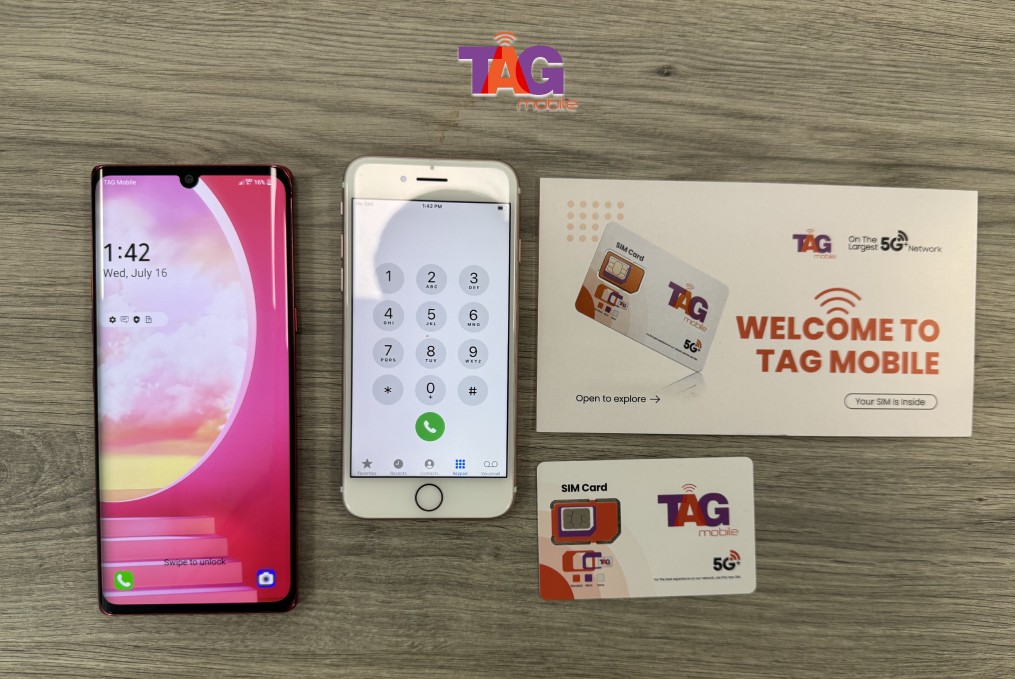
Claim your free phone with SIM card, or only the SIM card with data if you prefer to use your current device.
As an ETC participating in the Lifeline Program, TAG Mobile may provide eligible users with devices, depending on qualification and availability.
Its plans may also include many communication benefits, such as talk, text, monthly data, international calling, Wi-Fi calling, voicemail, caller ID, and other features that help users stay connected for daily needs.
Applying with SNAP can be simple when users prepare the right information before starting. To apply for a free phone at TAG Mobile, eligible SNAP recipients can follow these steps:
Check your eligibility through SNAP participation or another qualifying program. SNAP is commonly accepted for Lifeline qualification, but users should still review household rules and program requirements before applying.
Visit TAG Mobile’s website and enter your ZIP code. This helps show which Lifeline-supported plans, service options, and device offers may be available in your area.
Choose the plan or device option that fits your needs. Device availability can vary by location, eligibility, inventory, and approval status, so users should review the available options carefully.
Enter your personal details accurately during the application. Make sure your name, address, date of birth, and SNAP-related information match your records to avoid delays.
Upload proof of SNAP participation: If required, this may include an official benefits letter or other accepted document showing current SNAP enrollment.
Submit your application and wait for approval. Once approved, the device is typically delivered within 7-10 business days with activation instructions included.
Apply to receive free or heavily-discounted device!
Note: Eligibility varies by state and program. Offers depend on availability and qualifications. TAG Mobile operates under the federal Lifeline Program as an Eligible Telecommunications Carrier (ETC). Service is non-transferable and limited to one service per household.
4. Common FAQs About EBT Restrictions
Rules around SNAP purchases can feel confusing because restricted items are often sold right next to eligible groceries. These FAQs explain why certain everyday products are not covered and how shoppers can avoid payment issues at checkout.
Why can’t I buy household supplies with SNAP?
SNAP benefits are designed to help households buy eligible food for home consumption, not general household goods. Items such as cleaning products, paper towels, soap, toothpaste, and other supplies are considered non-food products and must be paid for with a different payment method.
Can I purchase vitamins using EBT?
Vitamins, minerals, and most dietary supplements cannot be purchased with an EBT card because they are not classified as eligible food items under SNAP rules. A helpful clue is the label: products with a “Supplement Facts” panel are usually treated as supplements, while eligible foods typically have a “Nutrition Facts” label.
Can I buy pet food with EBT?
Pet food is not eligible because SNAP benefits are limited to food intended for people. Even though pet food may be an important household expense, it falls outside the program’s food eligibility rules and requires a separate payment method.
5. Final Words
Knowing the limits of SNAP purchases can make each shopping trip smoother and help households avoid declined items at checkout. When shoppers understand what can you not buy with EBT, it becomes easier to separate eligible groceries from restricted products such as alcohol, tobacco, supplements, hot prepared meals, pet food, and household supplies.
Clear planning also helps families choose the right payment method before reaching the register. Beyond food support, SNAP participation may also connect eligible households to other assistance programs. To explore Lifeline-supported services, device options, and communication benefits, visit TAG Mobile and see what support may be available for your household.
Share
TAG Blog
Stories, guides, and helpful updates for staying connected.