North Carolina EBT benefits can help households shop smarter when they know which items qualify and which purchases may be restricted.
This guide explains what can you buy with EBT in NC, from eligible groceries and farmers market options to common limits on hot foods, household supplies, and non-food products. For more local savings ideas and support programs beyond food benefits, refer to TAG Mobile’s guide below.
1. What Can You Buy with EBT in NC?
North Carolina Food and Nutrition Services benefits are issued on an EBT card that works like a debit card at USDA-authorized retailers.
For shoppers wondering what can you buy with EBT in NC, most approved purchases fall into everyday grocery categories meant for home meals and household food needs.
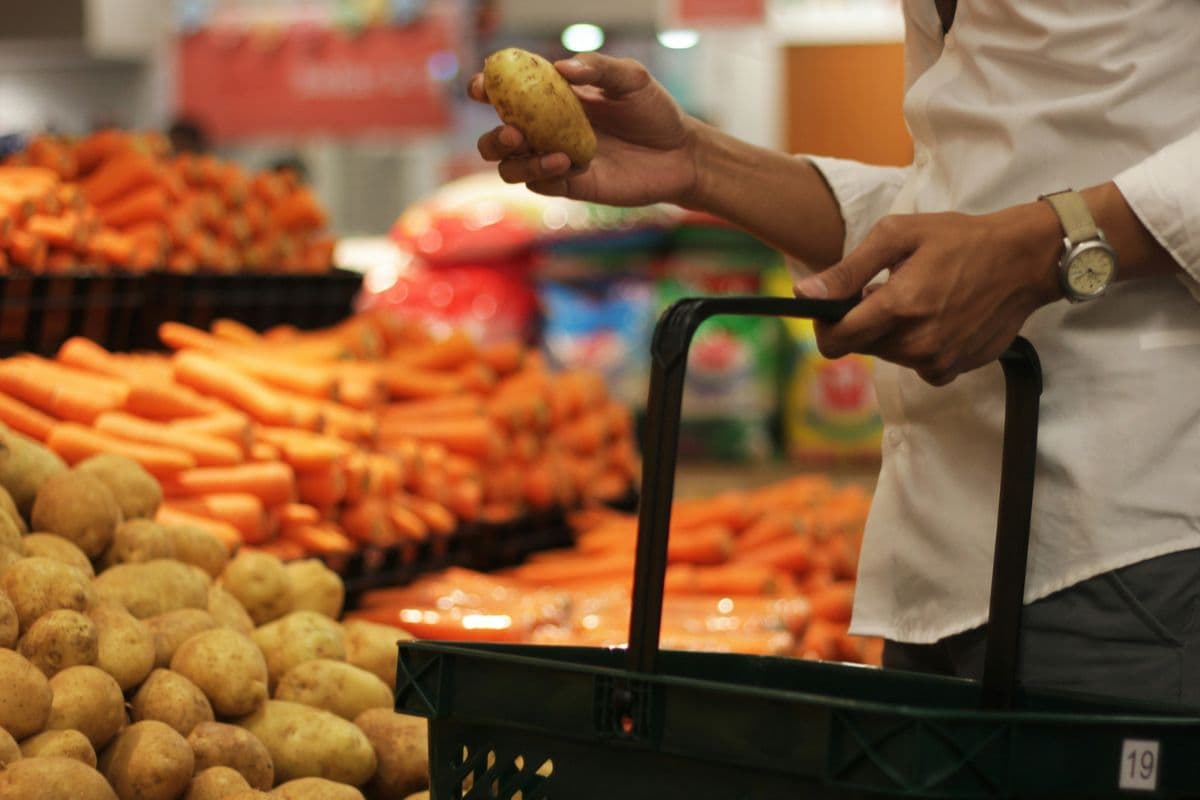
- Produce: Fresh, frozen, canned, or dried fruits and vegetables.
- Pantry and bakery items: Bread, cereals, flour, pasta, rice, tortillas, baked goods, oats, and similar staples.
- Meat and seafood: Beef, poultry, pork, fish, shellfish, and other eligible proteins.
- Dairy and eggs: Milk, cheese, yogurt, butter, eggs, and other qualifying dairy products.
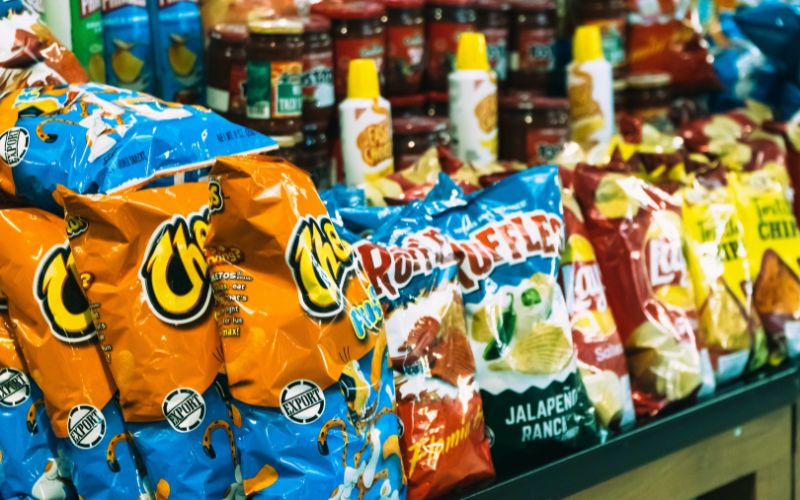
- Beverages and snacks: Soft drinks, juice, bottled water, cookies, candy, and energy drinks that have a Nutrition Facts label.
- Seeds and plants: Seeds, herbs, vegetable plants, and other plants that produce food for your household to eat.
- Baby food: Infant formula, baby cereal, jarred baby food, and other approved baby nutrition products.
2. What You Cannot Buy With EBT in North Carolina
Food benefits are meant for eligible grocery items, so several non-food, ready-to-eat, or restricted products must be paid for another way.
Reviewing these limits before checkout will help you avoid declined purchases and plan their grocery budget more smoothly.
- Hot or prepared foods: Hot deli meals, rotisserie chickens, heated pizza, hot soups, or food meant to be eaten immediately at the store are generally not eligible.
- Alcohol and tobacco: Beer, wine, liquor, cigarettes, e-cigarettes, vapes, and related smoking products cannot be purchased with EBT.
- Medicines and supplements: Vitamins, protein powders, herbal remedies, and products with a “Supplement Facts” label are not covered.
- Pet supplies: Dog food, cat food, pet treats, litter, grooming items, and other animal care products must be paid for separately.
- Household items: Cleaning supplies, paper towels, toilet paper, cosmetics, toiletries, cookware, and similar non-food products are excluded.
- Live animals: Most live animals cannot be purchased, except for certain seafood items such as shellfish and fish removed from the water.
3. Where Can You Use EBT in North Carolina?
Benefits are accepted at many approved retailers, but shoppers should still check store participation before making a trip. From large supermarkets to local markets and online grocery platforms, each option can support different budgets, schedules, and household needs.
Grocery Stores
Grocery stores remain one of the easiest places to use EBT because they usually offer many approved staples in one trip. Large supermarkets, regional chains, and neighborhood markets may accept benefits as long as they are USDA-authorized retailers.
Shoppers can choose items like fruits, vegetables, meat, dairy products, bread, rice, pasta, snacks, and cold non-alcoholic drinks. However, hot prepared meals, alcohol, cleaning supplies, paper goods, toiletries, and personal care products are not covered and require another payment method.
Farmers Markets
Farmers’ markets can be a valuable option for using EBT benefits while supporting local agriculture. Many participating markets accept EBT for fresh fruits, vegetables, herbs, eggs, meat, dairy products, and other eligible food items sold directly by local farmers and vendors.
Some markets also participate in matching programs that provide extra funds for fresh produce, helping shoppers stretch their food budgets further.