SSI people include individuals with limited income and resources who are elderly, blind, or have disabilities, making them eligible for Supplemental Security Income. These benefits provide financial support to help cover basic living expenses such as food, clothing, and shelter. Understanding eligibility, benefit amounts, and additional support programs is essential for maximizing assistance.
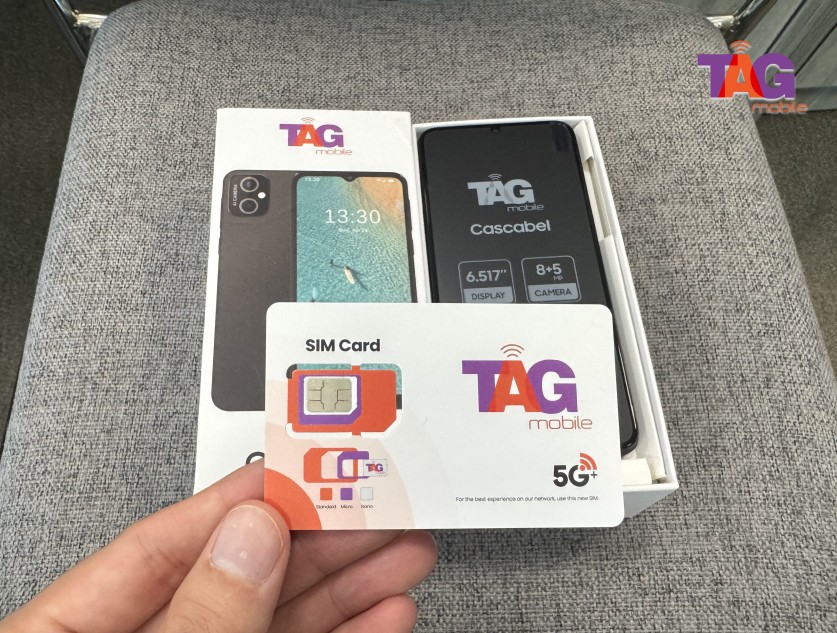
For more guidance on how SSI works and ways to stay connected, you can refer to the resources provided by TAG Mobile.
1. Who Are SSI People?
SSI people are individuals who receive Supplemental Security Income (SSI), a federal program designed to support those with limited income and resources, including the elderly, blind, and people with disabilities. These benefits help cover basic living expenses such as food, clothing, and housing.
As of February 2026, approximately 4,841 people receive SSI, highlighting the program’s role in providing critical financial assistance. Understanding how many people are on SSI can help gauge the reach and importance of this support system for vulnerable populations.
2. Who Qualifies as an SSI Recipient?
Determining eligibility for Supplemental Security Income is essential for understanding who can receive these benefits. SSI people must meet specific criteria related to income, resources, and personal circumstances to qualify for assistance.
You Have Little or No Income
To qualify for SSI, applicants must have very low or no income. This includes wages, Social Security benefits, pensions, and other financial resources. Income limits vary depending on living arrangements and household size, and even small amounts of unearned or earned income can affect eligibility.
SSI people rely on this rule to ensure support goes to those most in need, helping cover basic living expenses like food, clothing, and shelter. Accurate reporting of all income sources is critical to avoid delays or overpayments.
You Have Limited Resources
Applicants must also have limited financial resources to qualify for SSI. Resources include cash, bank accounts, stocks, bonds, and some personal property. Certain items, like a primary home or one vehicle, are excluded from this calculation.
SSI people must carefully document their assets, as exceeding the limits can disqualify them from benefits. Understanding what counts as a resource ensures applicants can plan appropriately and maintain eligibility while receiving necessary support.
You Have a Disability or Are Age 65+
Eligibility also requires that applicants are either aged 65 or older, blind, or have a qualifying disability. For children, adults, or the elderly, medical evidence must demonstrate the severity and duration of the disability.
SSI people rely on this criterion to access benefits that help cover essential needs, allowing them to live independently despite physical or mental challenges. Age and disability status are verified through medical documentation, Social Security records, and sometimes additional assessments to confirm eligibility.

3. What Benefits Do SSI People Receive?
Supplemental Security Income (SSI) provides direct financial support to seniors, people who are blind, and individuals with disabilities who have limited income and resources. The program is designed to help cover basic living needs and improve overall financial stability.
- Monthly Cash Payments: SSI provides a steady monthly income to help pay for essentials like food, housing, and utilities. The exact amount can vary depending on income, living situation, and state adjustments.
- Federal Payment Protection: SSI benefits are adjusted periodically to reflect cost-of-living changes, helping recipients keep up with inflation and rising expenses.
- State Supplement Payments: In some states, recipients receive additional payments on top of the federal SSI benefit, increasing their total monthly support.
- Access to Work Support (Ticket to Work): SSI includes optional programs that allow recipients with disabilities to explore employment opportunities without immediately losing their benefits, offering a safer path back into the workforce.
- Stable, Needs-Based Support: Because SSI is based on financial need, it provides consistent assistance for those who qualify, helping reduce financial stress and maintain a basic standard of living.
4. Additional Support Programs for SSI People
SSI people often qualify for additional support programs that help cover essential needs beyond cash benefits and healthcare. These programs provide access to food, housing, and utility support, making daily life more manageable for individuals with limited income or disabilities.
Lifeline Program (Free Phone & Connectivity)
Staying connected is essential, especially for managing healthcare, benefits, and daily communication. SSI recipients typically qualify for the Lifeline program, which provides monthly discounts on phone or internet services.