20+ Scholarships for Single Moms to Help Pay for College Tuition
Paying for college while raising children can put extra pressure on a single-parent budget, but scholarships can reduce tuition and other education expenses without adding debt. Ex...
Quincy D.-Sep 22, 2026
Image by Unsplash
Table of Contents
Paying for college while raising children can put extra pressure on a single-parent budget, but scholarships can reduce tuition and other education expenses without adding debt.
Exploring scholarships for single moms can uncover opportunities with different eligibility requirements.
1. Which National Scholarships Award Funding to Single Mothers?
Some national scholarships can cover expenses beyond tuition, and eligible costs vary by program.
Patsy Takemoto Mink Education Support Awards
The Patsy Takemoto Mink Education Foundation supports low-income women with minor children who are pursuing further education or training.
For 2026, the foundation plans to award five Education Support Awards worth up to $5,000 each, with funds usable for school costs or living expenses while enrolled.
Applicants must meet the income requirements and live in the U.S. They must also attend an accredited nonprofit program full-time.
Soroptimist Live Your Dream Awards
Soroptimist’s Live Your Dream Awards are designed for women who provide the primary financial support for themselves and their dependents while pursuing education or skills training.
Recipients may receive awards at multiple levels, with total potential support reaching up to $16,000.
Applicants must demonstrate financial need. They must be enrolled in or accepted to an undergraduate or vocational training program. They must also live in a participating Soroptimist country or territory.
Women’s Independence Scholarship Program
The Women’s Independence Scholarship Program, now offering the Doris Buffett Independence Scholar Grant, supports survivors of intimate partner abuse who are rebuilding their lives through education.
Preference is given to returning students. Single parents with young children may also receive preference. First-time undergraduates and vocational students are also prioritized.
Applicants must generally be physically separated from their abuser for one to ten years, show significant financial need, and be accepted into an accredited U.S. program.
Current awards typically range from $1,000 to $2,500 per semester or quarter.
Jeannette Rankin Foundation Scholar Grants
The Jeannette Rankin Foundation’s National Scholar Grant supports women and nonbinary students age 35 or older. Applicants must also demonstrate financial need.
Eligible students may be pursuing technical or vocational education, an associate degree, or their first bachelor’s degree at an accredited U.S. institution.
Current National Scholar Grants provide up to $2,500 per year and may be renewed for as many as five years.
2. Which Scholarships Support Single Moms Going Back to School?
Returning to college after time away can create different financial challenges than enrolling directly after high school.
EWI Adult Students in Scholastic Transition (ASIST)
Executive Women International created the ASIST Scholarship for adults navigating education, employment, or major life transitions.
It supports nontraditional students pursuing higher education or training. The program can suit adults returning to school or preparing for a new career.
Applicants must live within the boundaries of a participating EWI chapter. Local winners can advance for corporate-level awards ranging from $2,000 to $10,000, while selection considers factors such as financial need and personal challenges.
Return-to-School and Nontraditional Student Scholarships
Returning mothers should also look beyond programs labeled specifically for single parents. Scholarship databases also list opportunities for adult and nontraditional students.
Current listings include scholarships with awards ranging from smaller grants to several thousand dollars, and some programs offer full tuition. Eligibility varies by program, applicants should review each opportunity individually.
Community Foundation Scholarships for Returning Students
Local community foundations can be an overlooked source of funding for adults returning to school. Many manage scholarships tied to a specific location or field of study.
Awards and requirements differ sharply by location. For example, Communities Foundation of Texas currently lists scholarships that accept returning students or adult learners, with some awards reaching several thousand dollars per year.
Applicants must be at least 21, so the program is not restricted specifically to women over 30.
Current listings show a $1,000 award. Applicants must submit supporting materials and explain their circumstances and educational goals.
Scholarships for Adult and Nontraditional Women
Women over 30 should also search scholarships categorized for adult, returning, and nontraditional students rather than limiting applications to awards specifically labeled for single mothers.
Scholarships for single moms over 30 may also appear within broader adult-student programs.
Scholarship databases currently list opportunities for women at different education levels, including returning students and parents.
4. Which Nursing Scholarships are Available for Single Moms?
Single mothers pursuing nursing can qualify for scholarships based on financial need, academic performance, career goals, or parenting status.
Comparing both parent-specific and general nursing scholarships for single moms can uncover more funding opportunities.
Washington-Nixon Nursing Scholarship for Single Mothers
The Washington-Nixon Nursing Scholarship specifically supports single, nontraditional women who provide primary financial support for their custodial children.
Applicants must attend a Bachelor of Science in Nursing program in the Houston area. They must study full-time and maintain at least a 3.0 GPA.
Financial need can help distinguish otherwise equally qualified applicants. Award numbers and dollar amounts vary, and the current scholarship listing notes separate application windows for spring and fall semesters.
Nurse Corps Scholarship Program
The Nurse Corps Scholarship Program supports eligible nursing students willing to serve after graduation in healthcare facilities experiencing critical nurse shortages.
Selected recipients can receive tuition, eligible fees, other educational costs, and a monthly stipend while completing qualifying nursing education.
In exchange, graduates complete a service commitment at an eligible critical-shortage facility.
The 2026 application cycle is already closed, with applicants scheduled to receive award decisions by September 30, 2026, so prospective students should watch for the next cycle.
FNSNA Scholarship Opportunities
The Foundation of the National Student Nurses’ Association connects nursing students with scholarship opportunities designed to support future members of the profession.
Awards and eligibility vary between scholarship cycles. Requirements can depend on the scholarship and its funding priorities.
Single mothers enrolled in qualifying nursing programs can review the FNSNA scholarship portal alongside parent-specific funding sources.
Hospital and Nursing Association Scholarships
Professional nursing organizations and healthcare systems can add another layer of funding beyond national scholarship programs.
The American Nurses Foundation currently supports nursing education through academic scholarships, including 10 two-year $10,000 scholarships funded for the 2025-27 period and another two-year scholarship supported through a separate partnership.
Hospitals and nursing associations may offer additional awards. Local foundations may also have scholarships for nursing students.
Single moms can explore nursing scholarships based on financial need, academic merit, and career goals. (Image by Unsplash)
5. By-State Scholarships for Single Moms: Texas and Other Opportunities
Single mothers pursuing nursing can access scholarships based on financial need, academic performance, or career goals. Some awards specifically support parents, while others are open to nursing students more broadly. Comparing both types can increase funding opportunities.
Scholarships for Single Moms in Texas
Texas applicants can combine statewide searches with community foundations and regional single-parent programs.
One important detail is that the Arkansas Single Parent Scholarship Fund is not a general Texas scholarship; its Texas eligibility is limited to residents of Bowie County.
Arkansas Single Parent Scholarship Fund: Eligible single parents living in Bowie County, Texas, may qualify if they also meet the program’s education, income, and other requirements. Students elsewhere in Texas should not assume this program applies statewide.
Texas College and Community Foundation Scholarships: CFT administers donor-funded awards with different eligibility requirements. Some consider location or school. Others focus on financial need or returning-student status. Its universal scholarship application is scheduled to reopen in January 2027, so Texas single mothers should review individual requirements rather than expect one dedicated statewide single-mom award.
Scholarships for Single Moms in Arkansas
Arkansas offers one of the clearest programs specifically built around the needs of single parents pursuing education that can improve long-term earning potential.
Applicants should verify county coverage carefully because some Arkansas counties operate through separate local scholarship programs.
Current application cycles include spring and fall opportunities for new and continuing applicants, while summer applications are limited to current recipients. Eligibility includes residency requirements along with additional education and household criteria.
Scholarships for Single Moms in California
California students can combine specialized single-parent scholarships with broader state financial aid. This approach is especially useful because some awards target family circumstances directly, while state grants are based more broadly on residency, education plans, financial need, and program eligibility.
SVCF Deblinger Family Scholarship: This scholarship offers up to $10,000 annually to qualifying low-income single parents returning to college. Applicants must meet academic and financial requirements and currently live in Alameda, San Francisco, San Mateo, Santa Clara, or Santa Cruz County. Four awards are available annually.
California Student Aid Commission Programs: California students should also examine Cal Grant options administered through CSAC. These programs support eligible students in several education settings. California Dream Act applicants may also qualify for designated state aid programs.
Scholarships for Single Moms in New York
New York does not limit its major state aid programs to single parents, but mothers who meet residency, income, enrollment, and academic requirements may still benefit substantially. Two of the most important options are the Excelsior Scholarship and Tuition Assistance Program.
Excelsior Scholarship Program: For 2026-27, Excelsior can cover remaining tuition at eligible SUNY or CUNY institutions after other tuition aid is applied. Household federal adjusted gross income must generally be $125,000 or less. Students must also meet enrollment and credit requirements. Residency and post-graduation requirements apply as well. The 2026-27 application is now closed.
Tuition Assistance Program (TAP): TAP can provide eligible New York students with $1,000 to $5,665 toward tuition for 2026-27. Independent undergraduate students with tax dependents can qualify under a net taxable income limit of $125,000, making the program particularly relevant to some single parents.
6. Could Lifeline Lower Your Phone Bill While You’re in School?
Cutting recurring household expenses can leave more room for tuition, books, childcare, transportation, and other education costs.
The Lifeline program can reduce qualifying phone or internet service expenses for eligible households, making it worth checking alongside scholarships and traditional student aid.
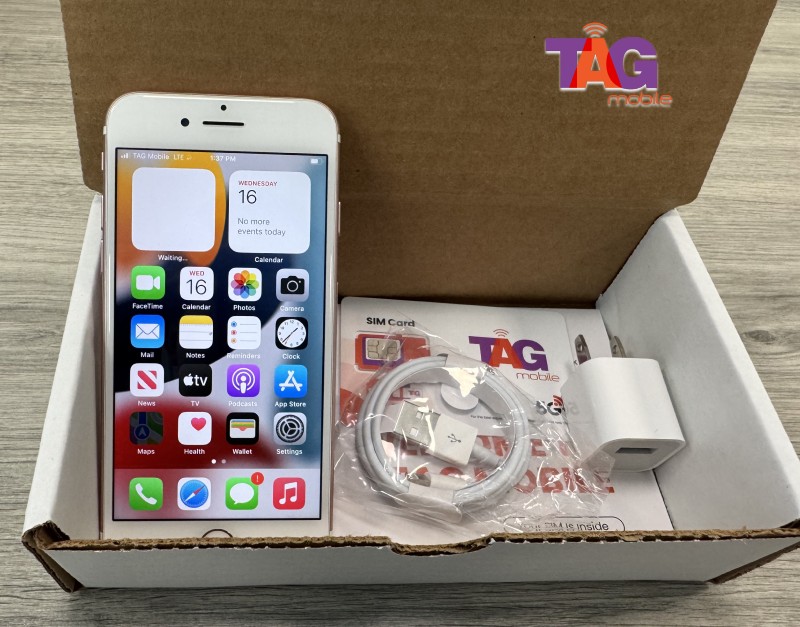
TAG Mobile is a U.S. wireless provider that participates in the federal Lifeline program. Its combination of no-monthly-cost service for qualifying users, flexible device choices, and additional communication features can make it appealing to students and parents trying to manage a tighter household budget.
Several current benefits stand out:
Up to 16GB* of free data each month on eligible Lifeline plans.
Unlimited talk and text for everyday family, school, and work communication.
Free international calling to more than 200 countries and territories.
Free delivery is available with eligible offers. Phone options may be free or discounted depending on location and availability.
Nationwide 5G+/4G LTE coverage where supported, with no long-term contract required for the Lifeline plan.
Income-based qualification: Household income must be at or below 135% of the 2026 Federal Poverty Guidelines, with the exact dollar limit determined by household size and location.
Program-based qualification: Participation in a qualifying assistance program may establish Lifeline eligibility. Applicants must still complete the required eligibility process.
*Offers may vary and are subject to future updates.
Eligible customers may receive a free or discounted device with a qualifying TAG Mobile plan. Availability depends on location and eligibility.
Note: Eligibility varies by state and program. Offers depend on availability and qualifications. TAG Mobile operates under the federal Lifeline Program as an Eligible Telecommunications Carrier (ETC). Service is non-transferable and limited to one service per household.
7. Final Thoughts
College funding often works best when single mothers combine several resources instead of depending on one award. Exploring scholarships for single moms can reduce education costs. Federal aid can provide additional support.
State programs and local scholarships may also help. Careful deadline tracking can also uncover more opportunities throughout the year. TAG Mobile gives eligible households another way to reduce recurring wireless expenses through Lifeline-supported service.
Share
TAG Blog
Stories, guides, and helpful updates for staying connected.