Is Memory Care Tax Deductible? How to Save Thousands at Tax Time
Memory care bills may include more than housing, and some medically necessary expenses can qualify for federal tax deductions when IRS requirements are met. Families asking is memo...
Quincy D.-Aug 22, 2026
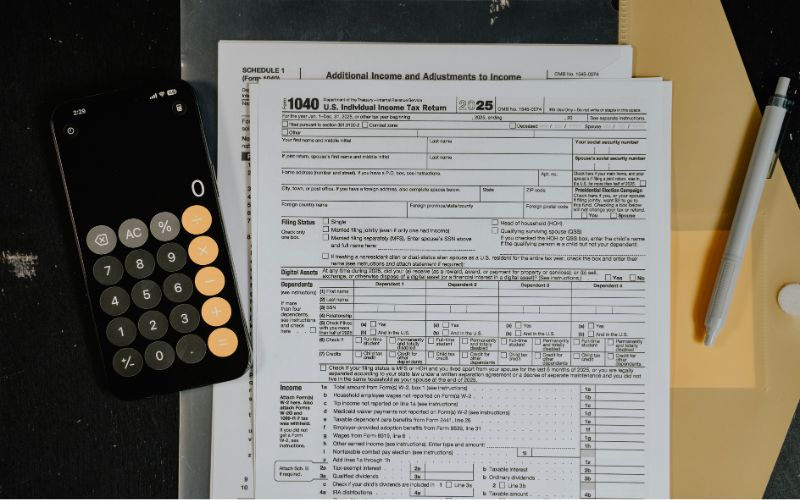
Image by Unsplash
Table of Contents
Memory care bills may include more than housing, and some medically necessary expenses can qualify for federal tax deductions when IRS requirements are met. Families asking is memory care tax deductible must review the resident’s clinical needs and overall household income. Knowing which charges qualify and keeping detailed records can help households claim eligible deductions without overstating what the tax rules actually allow.
1. Is Memory Care Tax Deductible?
Yes, qualifying memory care expenses may be tax deductible when they meet IRS rules for medical care or qualified long-term care services. For families asking is the cost of memory care tax deductible, the resident’s condition, type of care received, and amount paid out of pocket all matter.
Taxpayers generally need to itemize deductions, and only eligible unreimbursed medical expenses above 7.5% of adjusted gross income can be deducted.
A licensed healthcare practitioner may also need to certify the resident as chronically ill and establish a written care plan to confirm whether is memory care tax deductible criteria are fully met.
2. What Does Memory Care Expenses Count as Medical Deduction?
Not every charge on a memory care invoice receives the same tax treatment.
Families wondering how much of memory care is tax deductible should separate medically necessary care from personal or lifestyle expenses and confirm whether the resident meets IRS requirements for qualified long-term care.
Memory Care Expense
Potentially Tax Deductible?
Key Condition
Medical appointments and assessments
Yes
Must qualify as medical care under IRS rules.
Prescription medications
Yes
Generally deductible when prescribed and paid out of pocket.
Nursing services
Yes
Services must relate to medical or qualified long-term care needs.
Help with bathing, dressing, toileting, or other ADLs
Yes, in qualifying cases
May qualify when provided as part of medically necessary long-term care.
Medical equipment
Yes, when medically necessary
Equipment must primarily address or alleviate a medical condition.
Meals
Sometimes
May qualify when they are part of medically necessary institutional or qualified long-term care.
Lodging or room costs
Sometimes
May qualify when medical care is a principal reason for residing in the facility and IRS requirements are satisfied.
Transportation for medical care
Yes, when qualified
Travel must be primarily for and essential to medical care.
Social and recreational activities
Generally no
Personal entertainment is not normally considered medical care.
Entrance or community fees
Generally no
These are not automatically treated as qualified medical expenses.
The IRS distinguishes between residence primarily for medical care and residence for personal reasons.
When medical care is not the principal reason for living in a facility, generally only the portion attributable to medical or nursing care may qualify. This distinction is critical for families determining how is memory care tax deductible rules apply to room and board.
3. 5 Memory Care Tax Mistakes That Can Cost Families
Tax savings can be valuable, but aggressive assumptions about memory care expenses may create filing problems rather than reduce them. When evaluating is memory care tax deductible, families should apply the IRS requirements to each expense instead of treating the entire facility bill as one deductible medical charge.
Assuming the Entire Monthly Fee Is Automatically Deductible
Memory care residency alone does not make every monthly charge deductible. Clinical services often qualify for deductions, whereas strictly personal amenities remain non-deductible.
Whether room and board qualifies depends heavily on why the resident is in the facility and whether IRS medical or long-term care requirements are satisfied. Requesting an itemized statement can help separate qualifying care from nondeductible expenses.
Looking for a Universal Deductible Percentage
There is no standard rule saying that 50%, 70%, or another fixed percentage of every memory care bill is deductible. The qualifying amount depends on the resident’s circumstances and which expenses actually meet the definition of medical care, meaning is memory care tax deductible calculations must be done on a case-by-case basis.
After determining eligible expenses, the taxpayer must also apply the 7.5% AGI threshold. Only the portion of total qualifying medical expenses above that threshold is deductible on Schedule A.
Counting Reimbursed Expenses Twice
Expenses paid or reimbursed by insurance or another source generally cannot simply be claimed again as unreimbursed medical costs. Families should track exactly how much they paid themselves after reimbursements.
Later reimbursements can also affect tax treatment if an expense was deducted in a previous year. Tracking personal out-of-pocket costs separately from third-party coverage prevents claiming the same expense twice.
Ignoring Documentation and Care-Plan Requirements
Qualified long-term care services generally must be provided under a plan of care prescribed by a licensed healthcare practitioner. A chronically ill individual may qualify because they need substantial help with activities of daily living or substantial supervision due to severe cognitive impairment.
Without adequate documentation, demonstrating why expenses were medically necessary becomes more difficult. Families should retain the care plan, medical certification, invoices, and detailed facility statements throughout the year.
Confusing a Tax Deduction With a Tax Credit
A medical expense deduction reduces taxable income rather than reducing the tax bill dollar for dollar. The actual financial benefit varies based on overall taxable income and individual filing status.
Tax credits work differently because they directly reduce taxes owed when eligibility requirements are satisfied. Families should therefore avoid assuming that a $10,000 deductible expense automatically produces $10,000 in tax savings.
4. What Records Should You Keep for Tax Time?
Strong documentation makes it easier to identify qualifying expenses and support the amounts reported on a tax return.
Families asking is memory care tax deductible for their specific facility setup should organize medical, financial, and facility records throughout the year.
Detailed facility invoices: Keep monthly statements showing medical care, personal assistance, room and board, and other charges separately whenever possible.
Care plan: Save the written plan showing the resident’s medical, cognitive, and long-term care needs.
Medical necessity documentation: Retain physician statements or other records explaining why memory care or specific services are medically necessary.
Chronic illness Certification: Keep annual documentation from a licensed healthcare practitioner when it is used to establish qualified long-term care status.
Prescription and medical receipts: Store receipts for medications, medical equipment, appointments, and other unreimbursed qualifying expenses.
Insurance and reimbursement records: Track payments received from long-term care insurance, Medicare, Medicaid, VA benefits, or other sources.
Resident agreement: Keep the signed contract because it may describe which services are bundled into the monthly charge.
Facility Taxpayer Identification Number: Request the facility’s TIN if needed for tax preparation or supporting documentation.
Payment records: Save bank statements, canceled checks, or credit card records showing who actually paid each expense.
Keep important financial and care-related records organized for tax time. (Image by Unsplash)
5. How to Reduce Everyday Bills Alongside Tax Deductions?
Rising senior care expenses can make even routine household bills worth reviewing. For eligible low-income households, Lifeline can reduce the cost of essential communication services and leave more room in the budget for other priorities.
The Lifeline Program is a federal benefit that helps qualified consumers lower the cost of phone or internet service. Eligibility may be based on household income at or below 135% of the Federal Poverty Guidelines or participation in qualifying programs.
TAG Mobile is a Houston-based wireless provider and an Eligible Telecommunications Carrier participating in Lifeline. Qualified customers can access subsidized plans alongside reliable devices tailored to their everyday needs.
Screen size, operating system, connectivity, and ease of use can help customers narrow down the right device. There are both smartphones and a tablet option, each suited to different everyday needs.
Samsung Galaxy A32 5G: Features a 6.5-inch display, 5G connectivity, and a 5,000mAh battery, making it a practical choice for users who prioritize screen size and battery life.
iPhone XS: Combines a 5.8-inch Super Retina OLED display, Face ID, and dual rear cameras in a compact premium design for users who prefer iOS.
FOXXD C67: Offers a large 6.75-inch display, 5,000mAh battery, and 4G LTE connectivity, well suited to users who value comfortable viewing and longer everyday use.
iPad mini 4: A compact tablet with a 7.9-inch Retina display, providing more screen space for video calls, reading, browsing, photos, and streaming.
Device offers, pricing, plan details, and availability through TAG Mobile may vary by state, eligibility, and current inventory.
Get started and apply for your mobiles services now!
Note: Eligibility varies by state and program. Offers depend on availability and qualifications. TAG Mobile operates under the federal Lifeline Program as an Eligible Telecommunications Carrier (ETC). Service is non-transferable and limited to one service per household.
6. FAQs About Memory Care Tax Deductions
Tax rules can vary depending on medical necessity, reimbursement, and how much a family actually pays out of pocket. For anyone asking is memory care tax deductible, the key is determining which expenses qualify under IRS medical expense rules rather than assuming the entire bill is eligible.
Is memory care 100% tax deductible?
Not automatically. Even when memory care expenses qualify as medical or long-term care costs, taxpayers generally must itemize deductions, and only eligible unreimbursed medical expenses exceeding 7.5% of adjusted
gross income can be deducted.
Are dementia care expenses tax deductible?
Certain dementia care expenses may qualify when they are primarily for medical care or qualified long-term care services. This can include care required because of severe cognitive impairment, provided the applicable IRS requirements are met.
Does long-term care insurance affect the deduction?
Yes. Insurance reimbursements generally reduce the amount of medical expenses that can be claimed as a deduction. Families should subtract reimbursed costs and claim only qualifying expenses they actually paid without reimbursement.
Can Medicaid-covered memory care expenses be deducted?
Costs paid or reimbursed by Medicaid generally cannot also be claimed as unreimbursed medical expenses. However, qualifying memory care costs paid personally and not reimbursed by Medicaid or another source may still count toward the medical expense deduction if IRS requirements are satisfied.
7. Final Thoughts
Memory care expenses may offer some tax relief when they meet IRS rules for qualified medical or long-term care costs. If you are evaluating is memory care tax deductible, pay close attention to qualifying clinical costs, net out-of-pocket spending, and the standard AGI deduction threshold.
Keep itemized bills and care documentation organized, then review your situation with a tax professional before filing to make sure you claim only the deductions you are entitled to.
Share
TAG Blog
Stories, guides, and helpful updates for staying connected.