How to Properly Clean Laminate Floors: The Low-Moisture Method
Footprints, crumbs, and cloudy streaks can make laminate flooring look dull even when the rest of the room feels spotless. Because excess moisture and harsh products can cause prob...
Quincy D.-Oct 09, 2026
Image by Unsplash
Table of Contents
Footprints, crumbs, and cloudy streaks can make laminate flooring look dull even when the rest of the room feels spotless. Because excess moisture and harsh products can cause problems, how to properly clean laminate floors calls for a little more care than simply reaching for a wet mop.
The right supplies, cleaning routine, and response to spills can refresh the surface while helping protect the joints and finish from unnecessary damage.
1. What Do You Need to Clean Laminate Floors Properly?
Soft tools and a suitable cleaner make everyday dirt easier to remove without rough scrubbing. Keep a few dry cloths nearby so you can tackle marks and wipe away moisture before it settles around the plank edges.
So, below are essential tools you should prepare for the process of how to properly clean laminate floors.
Tool or Supply
Suggested Quantity
Main Purpose
Microfiber dust mop or soft broom
1
Removes loose dust, crumbs, and grit.
Vacuum with a hard-floor attachment
1 (optional)
Cleans corners and edges without a rotating beater bar.
Microfiber flat mop
1
Allows gentle cleaning with minimal moisture.
Washable mop pads
2-3
Provides fresh pads when the first becomes dirty.
Manufacturer-approved laminate cleaner
1 bottle
Lifts residue without unsuitable waxes or oils.
Spray bottle
1, if needed
Lightly dampens the mop pad.
Clean water
As directed on the cleaner label
Dilutes concentrated products when required.
Microfiber cloths
3-4
Removes spots and dries damp areas.
Absorbent towels
2
Blots accidental spills.
2. How to Properly Clean Laminate Floors Step by Step
Dust and grit can scratch laminate when dragged beneath a mop, so remove them before adding any moisture.
For those wondering how to properly clean laminate floors, these steps will explain the process while keeping water under control and protecting the surface.
Step 1: Check the Manufacturer’s Instructions
Check your flooring’s care instructions before picking a cleaner.
Follow the recommended dilution, and skip waxes, abrasive pads, or steam unless approved for your specific floor, since laminate products can have different finishes and requirements.
Step 2: Sweep or Vacuum Loose Debris
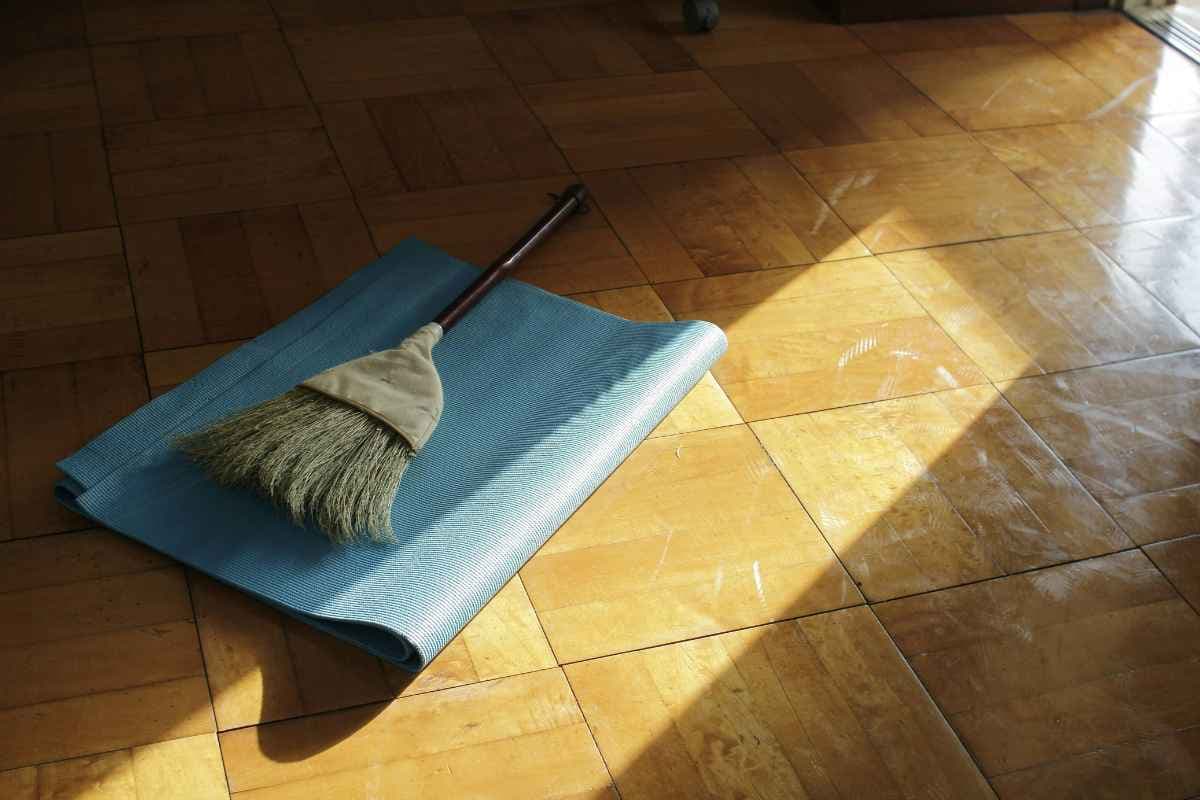
Sweep up crumbs and grit with a soft broom or microfiber dust mop. Vacuum along baseboards and in corners using a hard-floor attachment, with the rotating brush switched off to help prevent scratches during cleaning.
Step 3: Treat Sticky Spots Separately
Dampen a soft cloth with a little approved cleaner and wipe sticky spots gently. Make several light passes for stubborn marks instead of scrubbing harder, and keep cleaning liquid from pooling around the plank joints.
Step 4: Prepare a Barely Damp Mop
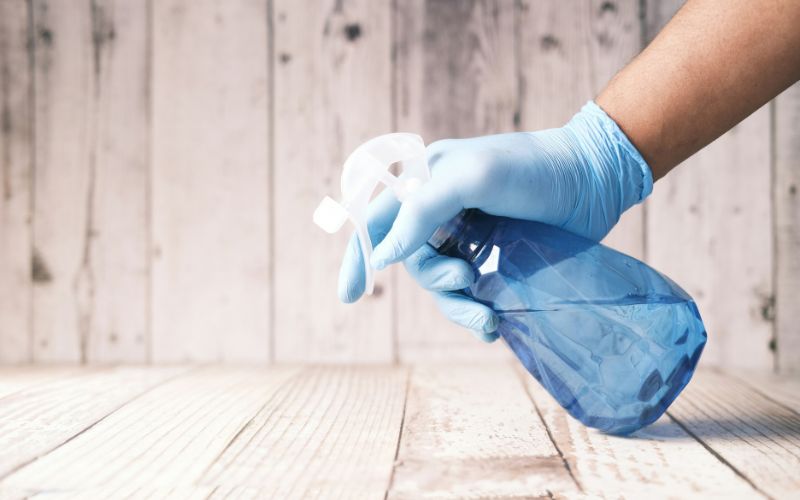
Lightly mist a clean microfiber pad with the solution prepared according to its label. If using water, wring the pad until barely damp; it should leave no puddles or visible droplets as you begin mopping.
Step 5: Clean One Small Section at a Time
Mop along the planks with light, overlapping strokes, working toward the doorway. Clean small sections so moisture does not linger, and change the pad when dirty rather than spreading grime across the freshly wiped floor.
Step 6: Wipe Away Remaining Moisture
Wipe away remaining dampness with a dry microfiber cloth, especially along seams and edges. Let the floor dry completely before walking over it or putting rugs back, checking that no moisture remains beneath nearby furniture.
How to clean laminate floors properly: Make sure you control moisture and protect the surface from scratches and damage. (Image by Unsplash)
3. What Should You Do When Water Spills on Laminate?
Spilled water can slip into plank joints or spread beneath furniture before you notice how far it has traveled. Beyond knowing how to properly clean laminate floors, acting quickly helps limit moisture exposure and catch signs of damage before they become more noticeable.
Blot Up Standing Water Immediately
Grab an absorbent towel and blot the spill, starting at its edges to keep water from spreading.
Replace soaked towels until no puddles remain.
Check beneath nearby furniture and rugs, too, because moisture can travel beyond the visible spill and sit unnoticed against the flooring while you clean elsewhere nearby.
Dry the Seams and Edges Carefully
Wipe the area with a clean, dry microfiber cloth, paying attention to joints, thresholds, and wall edges.
Press gently to absorb moisture without pushing anything into the gaps. Remove damp rugs or mats and dry them separately so they do not continue holding water against the laminate after the cleanup.
Encourage Airflow Without Direct Heat
After removing visible water, position a fan to move air across the affected area.
A dehumidifier can help when indoor humidity is high. Avoid using hair dryers or heaters directly on the boards, and remember that a dry surface does not confirm that moisture underneath has fully evaporated as well.
Watch for Swelling or Raised Edges
Inspect the area over the following days for swollen edges, lifted seams, separation, or softness underfoot. If the spill was extensive or came from a leak, contact your flooring installer promptly. Moisture beneath the boards may need professional attention, and laminate that has swollen may require replacement rather than repair.
4. 5 Cleaning Mistakes That Can Damage Laminate Floors
More water or stronger scrubbing can turn an ordinary cleanup into a flooring problem. When deciding how to clean laminate floors properly, avoiding these five mistakes helps protect the finish and reduces the chance of moisture reaching vulnerable joints.
1. Using a Soaking-Wet Mop
A dripping mop leaves more water than laminate needs, allowing moisture to gather around joints and edges.
Use a barely damp microfiber pad instead, and clean small sections that you can dry promptly. Never pour a bucket of cleaning water directly onto the floor, even when tackling widespread sticky residue.
2. Scrubbing Before Removing Grit
Loose sand and dirt can act like an abrasive when trapped beneath a mop or cloth.
You may sweep or vacuum before damp cleaning, using soft tools and a suitable hard-floor attachment. Switch off rotating beater bars, and check mop pads for trapped debris before dragging them across the surface during cleaning.
3. Choosing Harsh or Unsuitable Products
Strong cleaners, abrasive powders, and products designed for other flooring materials may dull or damage laminate’s protective finish.
When learning how to properly clean laminate floors, choosing a product compatible with your specific flooring is just as important as using the right cleaning technique.
Wax and oil-based products can also leave unwanted residue. Use the cleaner recommended by your flooring manufacturer, follow its dilution instructions, and avoid assuming homemade mixtures are suitable for every laminate product.
4. Using Steam Without Checking Approval
Steam combines heat and moisture, which can affect joints or layers when the flooring is not designed for it. Some specific laminate products permit limited steam cleaning under strict instructions, but others do not. Check your exact product’s care guide rather than relying on general claims printed on the mop.
5. Leaving Spills or Damp Rugs Untreated
Water left beneath a rug or around furniture can remain against the flooring long after the surrounding surface looks dry. Blot spills promptly, remove wet coverings, and dry accessible seams carefully. Do not leave damp cleaning cloths or mop pads sitting on the floor once you have finished the job.
5. FAQs about Cleaning Laminate Floors
Daily dust, footprints, and occasional spills do not always require a complete mopping session. If you are learning how to properly clean laminate floors, knowing when to spot-clean and when a more thorough cleaning is needed can help protect the finish.
These answers clarify common concerns about cleaning frequency, suitable methods, and safe moisture levels.
How Often Should You Mop Laminate Floors?
Lightly damp-mop about once a week, adjusting the schedule to foot traffic and visible dirt. Sweep or vacuum regularly between cleanings, and spot-clean spills immediately rather than mopping the entire room each time.
Can You Use a Steam Mop on Laminate Floors?
Use a steam mop only if your specific flooring manufacturer explicitly permits it, and follow any restrictions carefully. Otherwise, choose a barely damp microfiber mop because steam’s heat and moisture can damage vulnerable joints or layers.
Can Too Much Water Ruin Laminate Floors?
Yes, excess water can enter the seams and cause the core to swell, leaving raised edges or distorted boards. Water-resistant models offer varying protection, but standing water still needs prompt removal. Swollen laminate may require replacement even after it dries.
6. Final Thoughts
Clean laminate flooring should look refreshed without feeling sticky or leaving moisture trapped around the seams. For how to properly clean laminate floors, use soft tools, a suitable cleaner, and only enough moisture to remove dirt without soaking the surface. Regular dust removal and prompt spill cleanup can also reduce the need for frequent deep cleaning.
TAG Mobile offers more practical home-care ideas and everyday tips you can easily access from your phone.
Share
TAG Blog
Stories, guides, and helpful updates for staying connected.