How to Make Sushi Rice Perfectly Sticky Every Time
Good sushi rice should be glossy, lightly seasoned, and sticky enough to hold its shape without turning soft or mushy. The key to how to make sushi rice lies in several small detai...
Quincy D.-Sep 30, 2026
Image by Unsplash
Table of Contents
Good sushi rice should be glossy, lightly seasoned, and sticky enough to hold its shape without turning soft or mushy. The key to how to make sushi rice lies in several small details, from choosing the right rice to controlling moisture and seasoning.
This guide breaks down the ingredients, ratios, and preparation steps that can help you achieve consistent results for rolls, nigiri, poke bowls, and more.
1. What are the Ideal Sushi Rice Ingredients and Ratio?
Consistent sushi rice begins with short-grain rice, an equal volume of water, and a balanced vinegar seasoning. Quantities below follow a tested five-cup yield and can be adjusted carefully according to personal taste.
Ingredient
Recommended Amount
Purpose
Uncooked sushi rice
2 cups
Creates the short-grain, naturally sticky base
Water
2 cups
Cooks the rice at a 1:1 volume ratio
Rice wine vinegar
¼ cup
Adds the characteristic tangy flavor
White sugar
¼ cup
Balances the vinegar with gentle sweetness
Vegetable oil
1 tablespoon
Adds subtle richness and shine
Salt
1 teaspoon
Enhances and balances the seasoning
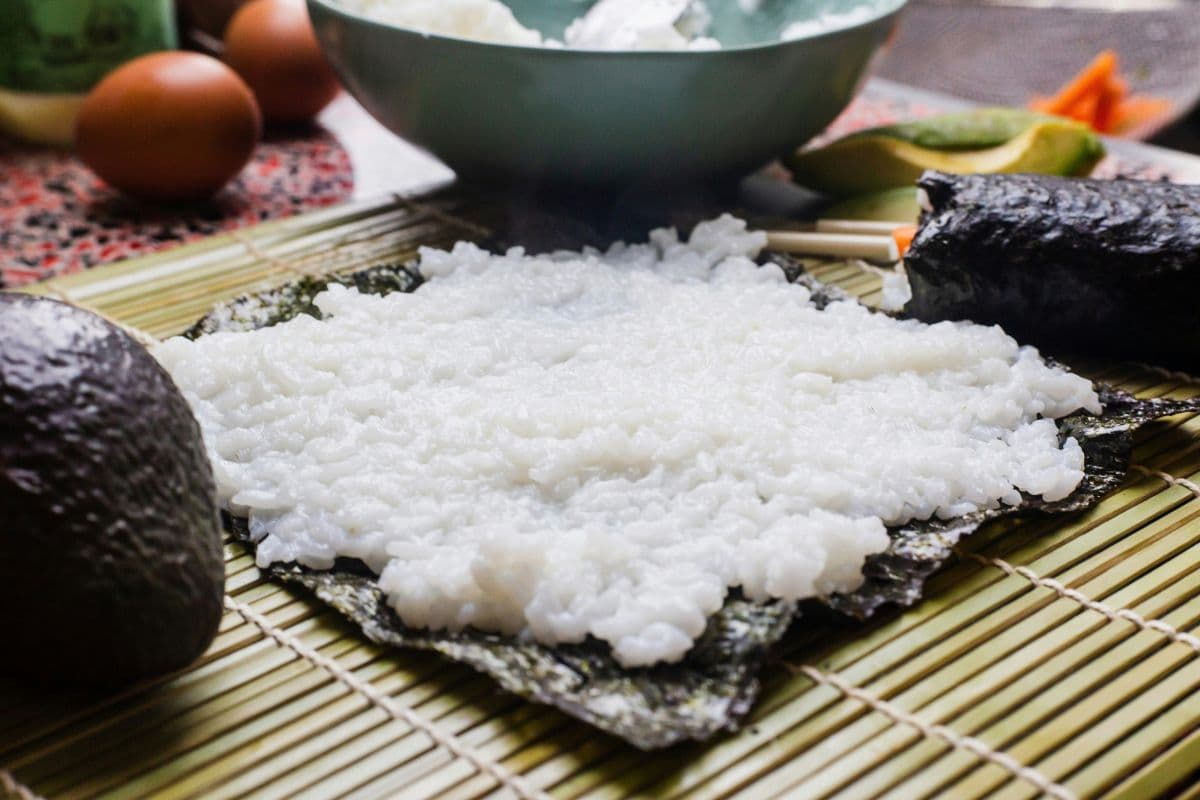
Consistent sushi rice begins with short-grain rice, an equal volume of water, and a balanced vinegar seasoning. (Image by Unsplash)
Proper texture comes from controlling water, steam, seasoning, and cooling rather than simply cooking rice until tender. Follow each stage patiently to create glossy grains that cling together while remaining distinct and pleasantly chewy.
Step 1: Rinse the Rice Until the Water Becomes Much Clearer
Place short-grain sushi rice in a bowl and rinse it gently with cold water, swirling with your fingers. Drain and repeat several times until the water appears much clearer, avoiding aggressive rubbing that could break the grains.
Step 2: Drain and Let the Rice Hydrate as Your Method Requires
Transfer the rinsed rice to a fine-mesh strainer and drain it thoroughly. If your rice package or cooking method recommends soaking, let the grains rest in measured water for 20 to 30 minutes before applying heat.
Step 3: Cook the Rice Without Disturbing It
Combine the drained rice and measured water in a covered saucepan, bring them briefly to a boil, then reduce the heat. Cook gently without lifting the lid, stirring, or releasing the steam needed for even absorption.
Step 4: Let the Cooked Rice Rest Before Seasoning
Remove the saucepan from the heat when the water has been absorbed, but keep the lid closed. Let the rice steam undisturbed for approximately 10 minutes so its moisture redistributes and the grains finish cooking evenly.
Step 5: Fold in the Sushi Vinegar While the Rice Is Warm
Transfer the warm rice to a wide, nonreactive bowl and drizzle the prepared vinegar mixture evenly across it. Use a rice paddle to cut and fold gently, distributing the seasoning without crushing or mashing the grains.
Step 6: Cool the Rice While Folding
Fan the seasoned rice as you continue folding it with careful slicing motions. Cooling quickly removes excess moisture, produces a glossy finish, and shows how to make perfect sticky sushi rice without allowing the finished grains to become soggy.
3. How to Make Sushi Rice in Rice Cooker?
Rice cookers take much of the guesswork out of cooking, but good sushi rice still depends on precise water measurements and proper finishing. A reliable approach to how to make sticky rice for sushi is to cook the grains evenly, then fold in the seasoning gently and let the rice cool until it becomes glossy, tender, and easy to shape.
Step 1: Rinse the Sushi Rice
Measure the rice into a bowl and rinse it repeatedly under cold water until the runoff looks mostly clear. Swirl the grains gently rather than scrubbing them, then drain thoroughly to prevent excess water from altering the final texture.
Step 2: Add Water According to the Rice and Cooker
Place the drained rice in the cooker and add the amount of water recommended for that rice variety and appliance. Use the cooker’s marked sushi-rice line when available, since different machines account for moisture differently.
Step 3: Select the Appropriate Cooking Setting
Close the lid and choose the sushi, short-grain, or white-rice program recommended by the manufacturer. Avoid opening the cooker during operation because escaped steam can interfere with absorption and leave the grains unevenly cooked.
Step 4: Let the Rice Rest After the Cycle Ends
Once the cooking cycle finishes, leave the lid closed and allow the rice to rest for about 10 minutes. This quiet steaming period distributes moisture through the batch and helps firm the grains before seasoning.
Step 5: Transfer and Season the Rice
Move the rice into a wide glass, wood, or other nonreactive bowl while it remains warm. Pour the prepared sushi vinegar evenly over the surface, then fold carefully with a paddle instead of stirring in circles.
Step 6: Cool Before Making Sushi
Fan the rice while folding it gently until it reaches approximately room temperature and develops a glossy appearance. Keep it covered with a clean, damp towel until assembly, but avoid refrigerating it because chilling hardens the grains.
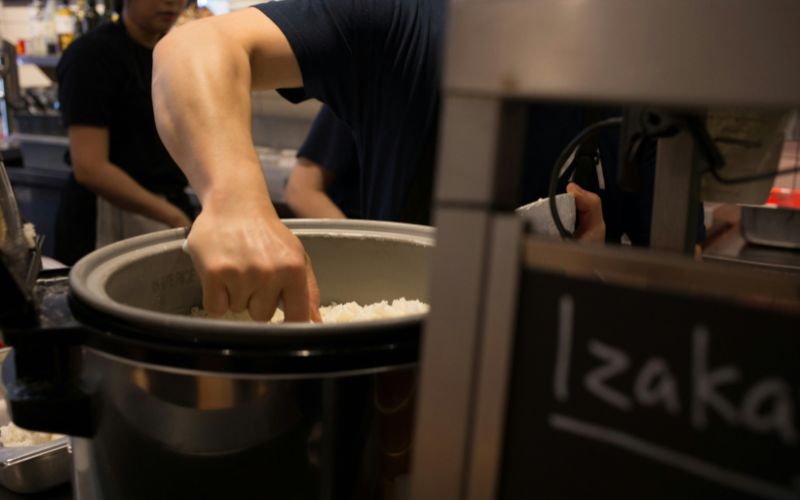
Make sushi rice in a rice cooker for tender grains, balanced flavor, and the right texture. (Image by Unsplash)
4. How to Keep Sushi Rice From Drying Out Before Serving?
Freshly seasoned rice begins losing moisture as soon as its surface meets circulating air. Learning how to make sushi rice also means controlling temperature, airflow, and holding time so the grains remain soft, glossy, and easy to shape.
Cover the Rice With a Damp Towel
Drape a clean, lightly damp kitchen towel over the bowl once the rice has cooled to room temperature. Fabric limits airflow without trapping heavy condensation. Keep it from becoming soaking wet, since dripping moisture can soften the grains and dilute their carefully balanced seasoning before serving.
Keep the Bowl Away From Heat and Airflow
Place the covered bowl in a cool area away from sunlight, stovetops, fans, and air-conditioning vents. Excess heat encourages moisture loss, while direct airflow dries the exposed surface quickly. Gently refold the rice only when necessary rather than repeatedly opening the covering throughout the short holding period.
Avoid Warm Holding and Early Refrigeration
Avoid leaving finished sushi rice on a warm setting because prolonged heat can harden the bottom and overcook the grains. Refrigeration also firms the starch and reduces flexibility, so prepare the rice near serving time whenever fresh texture is important for shaping rolls or nigiri at home.
Prepare Only What You Can Use Promptly
Plan to use freshly prepared sushi rice within about two hours when it remains at room temperature. Make smaller batches when assembly may take longer, and refrigerate unused portions promptly for safety. Chilled leftovers may lose their ideal texture and are better repurposed in fully cooked dishes.
Small timing and seasoning choices can noticeably affect the rice’s texture, shine, and flavor. These answers clarify when to soak the grains, what goes into sushi vinegar, and when the seasoning should be added.
How Long Should Sushi Rice Soak Before Cooking?
Many short-grain rice varieties benefit from soaking in measured water for 20 to 30 minutes after rinsing and draining. However, soaking requirements vary by brand and rice cooker, so follow the package or appliance instructions when they recommend a different time.
What Is Sushi Rice Seasoning Made Of?
Traditional sushi rice seasoning combines rice vinegar, sugar, and salt. Proportions can be adjusted slightly for a sweeter or sharper finish, while optional kombu may add subtle savory depth without overpowering the rice.
Do You Season Sushi Rice While It Is Hot?
Yes, fold the prepared vinegar mixture into the rice while the grains are still warm. Warm rice absorbs the seasoning more evenly, but gentle cutting and folding motions are essential because vigorous stirring can crush the grains and create a mushy texture.
Final Thoughts
Great sushi rice comes down to the right balance of texture, moisture, and seasoning. For how to make sushi rice, rinse and cook the grains carefully, season them evenly, and handle the finished rice gently so it stays glossy rather than mushy. Prepare only what you plan to use soon for the best freshness and texture.
Share
TAG Blog
Stories, guides, and helpful updates for staying connected.