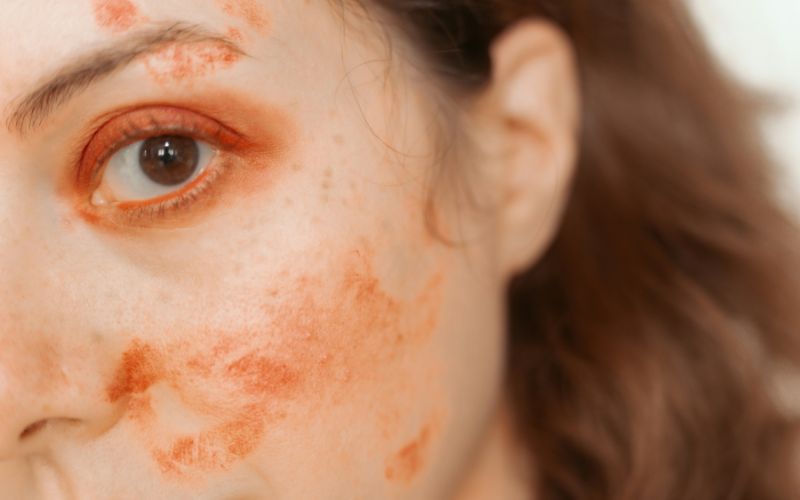
A sunburned face can feel especially uncomfortable at night, when heat, tightness, and sensitivity make it difficult to leave the skin alone.
If you are looking for how to get rid of sunburn redness overnight on face, the realistic goal is to soothe inflammation and support the skin barrier rather than expect the redness to vanish completely. A few gentle steps before bed can help soothe irritated skin while reducing the risk of further dryness, peeling, or sensitivity.
1. Can You Really Get Rid of Sunburn Redness Overnight?
You cannot completely erase a sunburn or its redness overnight, because the skin still needs time to repair UV damage. However, cooling the area, keeping it moisturized, and avoiding further irritation can noticeably reduce heat, tightness, and inflammation by morning while supporting the skin’s natural healing process.
2. How to Get Rid of Sunburn Redness Overnight
Sunburn needs time to heal, but nighttime care can reduce heat, dryness, and visible irritation by the next morning. The most effective approach is to cool the skin, restore moisture, and avoid anything that could intensify inflammation.
Cool the Skin First
Apply a cool, damp compress for about 10 to 15 minutes or take a cool to lukewarm shower. Gentle cooling can ease heat and discomfort without shocking the skin. Avoid ice directly on sunburned areas because extreme cold may irritate already damaged skin.
Apply Aloe Vera
Aloe vera can provide a cooling, soothing effect after sun exposure and may help irritated skin feel more comfortable. Choose a simple aloe gel without added alcohol or strong fragrance, apply a thin layer, and let it absorb before adding moisturizer if your skin still feels dry.
Moisturize While Skin Is Slightly Damp
After cooling or showering, gently pat the skin instead of rubbing it completely dry. Apply a fragrance-free moisturizer while a little moisture remains on the surface to help reduce dryness and tightness. Soothing after-sun moisturizers can also support skin comfort after UV exposure.
Drink More Water
Sunburn can contribute to fluid loss through the skin, so staying well hydrated supports recovery from the inside. Drink water regularly through the evening rather than relying only on topical products. Proper hydration will not erase redness instantly, but it can support your body while damaged skin repairs itself.
Avoid More Sun and Irritating Products
Keep sunburned skin away from additional UV exposure while it heals and avoid harsh exfoliants, scrubs, or strongly active skincare. Products containing exfoliating acids can increase sensitivity, so a simple, soothing routine is usually a better choice until redness and tenderness improve.
3. What Should You Put on Sunburn Before Bed?
Nighttime products should calm and hydrate rather than aggressively treat the skin. When considering how to get rid of sunburn redness overnight, choose gentle formulas and avoid ingredients that sting, exfoliate, or dry out the damaged area.
Cool Aloe Vera Gel
Apply a thin layer of aloe vera gel to clean, cooled skin before bed. Its refreshing texture can help soothe discomfort after sun exposure, while a simple formula reduces the risk of unnecessary irritation. Follow with moisturizer if the skin still feels tight or dry.
Fragrance-Free Moisturizer
Use a gentle moisturizer to help reduce dryness and support the skin barrier overnight. Lightweight creams or lotions that focus on hydration are preferable to heavily fragranced products, which may sting sensitive sunburned skin. Apply without rubbing aggressively.
After-Sun Moisturizer
After-sun lotions designed to soothe and hydrate can be useful before sleeping. Look for formulas focused on calming moisture rather than exfoliation or tanning enhancement. Applying an even layer can help the skin feel softer and less tight by morning.
Cool, Damp Compress
For skin that still feels hot, place a clean, cool damp cloth over the affected area briefly before applying moisturizer. This can help reduce the sensation of heat and make bedtime more comfortable. Remove the compress before sleeping rather than leaving wet fabric against the skin overnight.