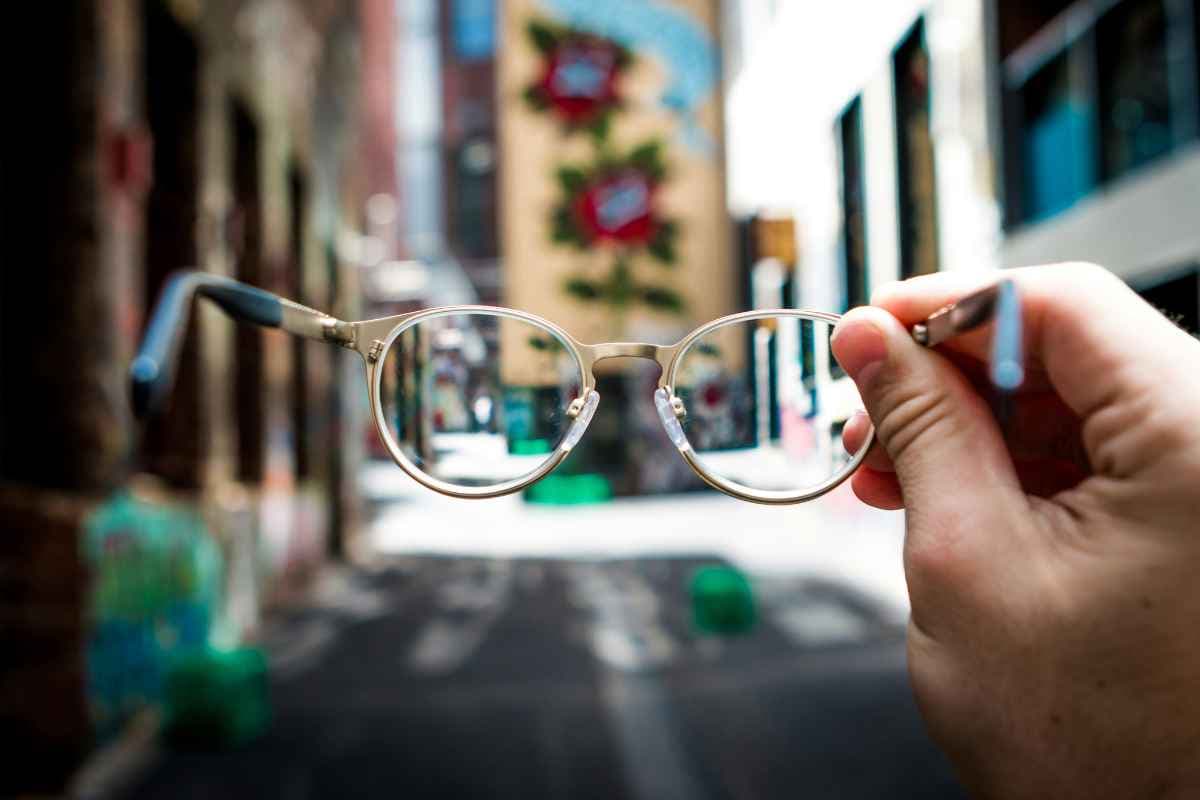
A pair of glasses that once fit perfectly can gradually start slipping, tilting, or feeling loose around the ears. Figuring out how to fix loose glasses means first tracking down what has changed, whether it is a loosened screw, shifted nose pad, stretched temple, or misaligned frame.
Many minor fit issues are manageable with careful adjustments, but warped, cracked, or delicate frames are best left to an optician.
1. What You Need To Adjust Your Glasses
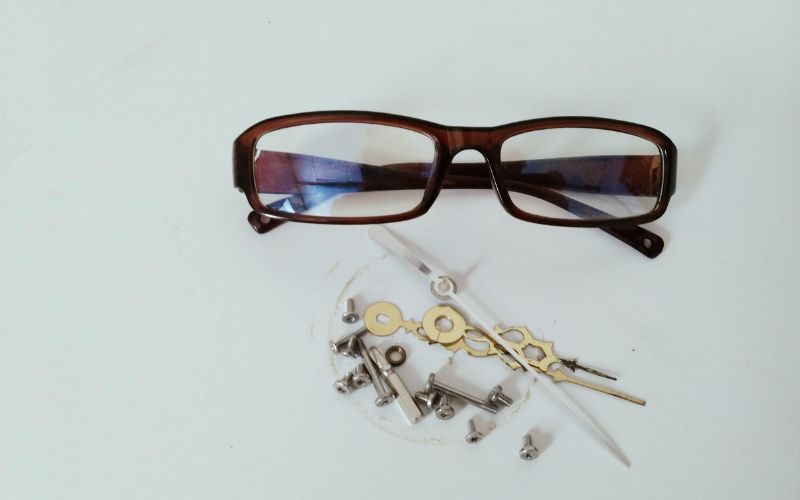
Simple frame adjustments are much safer when you have the right tools and a clean place to work. Before trying how to fix loose glasses, prepare a few basic items that help protect the lenses while giving you better control over small screws and frame parts.
- Small eyeglass screwdriver: Use a precision screwdriver that matches the tiny screws on the hinges or nose pads. The correct size reduces the risk of stripping the screw head.
- Microfiber cloth: Keep a clean microfiber cloth nearby to protect the lenses from fingerprints, scratches, and accidental contact with tools.
- Soft, clean work surface: Work over a towel, cloth, or padded table so dropped screws are easier to find and the frames are less likely to get scratched.
- Optional household items for temporary adjustments: Small silicone nose pads, eyeglass retainers, or a temporary temple grip can improve fit until a proper repair is available.
- Avoid harsh or unsuitable tools: Do not use pliers directly on delicate frames, abrasive cloths on lenses, household glue near hinges, or strong chemicals around lens coatings. These can damage the frame, scratch lenses, or ruin protective finishes.
2. How to Fix Loose Glasses at Home
Loose glasses can come from a single hinge screw or from the overall frame gradually losing its shape. Before making any adjustment, identify exactly where the movement starts so you can fix the problem without putting unnecessary pressure on the lenses or temples.
A Loose Glasses Arm Hinge
Hinge looseness often shows up when one temple arm feels wobbly or no longer opens and closes with the same resistance as the other side. Learning how to fix loose glasses arm hinge usually starts with checking the tiny screw that connects the arm to the frame.
- Place the glasses on a soft cloth so the lenses stay protected while you work.
- Open the loose arm and locate the hinge screw where the temple meets the front of the frame.
- Use a properly sized eyeglass screwdriver and turn the screw clockwise in small increments.
- Stop once the arm feels secure, since overtightening can strip the screw or make the hinge too stiff.
- Open and close the arm several times to confirm that it moves smoothly without wobbling.
- If the screw will not tighten, keeps falling out, or the hinge itself looks bent, take the glasses to an optician for repair.
A Loose Glasses Frame
Sometimes the screws are secure, but the glasses still slide, tilt, or feel wider than they used to. In that case, how to fix loose glasses frame depends on whether the temples, nose pads, or overall frame alignment is causing the poor fit.
- Put the glasses on and notice where they feel loose, especially around the nose, ears, or sides of the head.
- Check both temple arms from above to see whether they sit evenly or one side angles outward more than the other.
- For adjustable nose pads, gently move them slightly closer together if the glasses keep sliding down.
- Avoid forcefully bending plastic or acetate frames at home, since improper pressure can crack or warp them.
- Metal temples may tolerate very small adjustments, but use light pressure and stop if the frame resists.
- If the frame looks twisted, sits unevenly, or needs heat for reshaping, an optician can usually adjust it more safely
3. More Fixes for Glasses That Are Too Loose on Your Face
Fit problems do not always come from a loose screw. When learning how to fix glasses that are too loose, focus on where the frame moves most, then make the smallest adjustment needed to improve stability without stressing the material.
If Your Glasses Slide Down Your Nose
Sliding usually means the bridge or nose pads are not gripping securely enough. For frames with adjustable nose pads, move them slightly closer together so they sit more firmly against the sides of your nose. Silicone nose pads can also add temporary grip, but persistent slipping may require an optician to reshape the bridge or temples.
If the Glasses Fall Off When You Look Down
Glasses that slip forward when you bend your head often need more support behind the ears. Temple tips may need to curve slightly inward or downward so they follow the shape of your head more closely. Avoid aggressive bending at home, especially with acetate frames, because too much pressure can cause cracks or permanent distortion.
If the Temples Feel Too Wide
Wide temples can make the entire frame feel unstable even when the bridge fits correctly. Small inward adjustments near the temple arms may improve the fit, but the correct method depends on the frame material. Metal frames may tolerate gentle changes, while plastic or acetate frames are safer to adjust professionally with controlled heat.
>>> Read more: Does Medicare Pay for Eye Exams? Official Coverage Rules