How to Find the Radius of a Circle: Formulas and Worked Examples
A circle problem does not always give you the radius directly. Sometimes, you may only know the diameter, circumference, or area and need to work backward from there. The key to ho...
Quincy D.-Sep 28, 2026
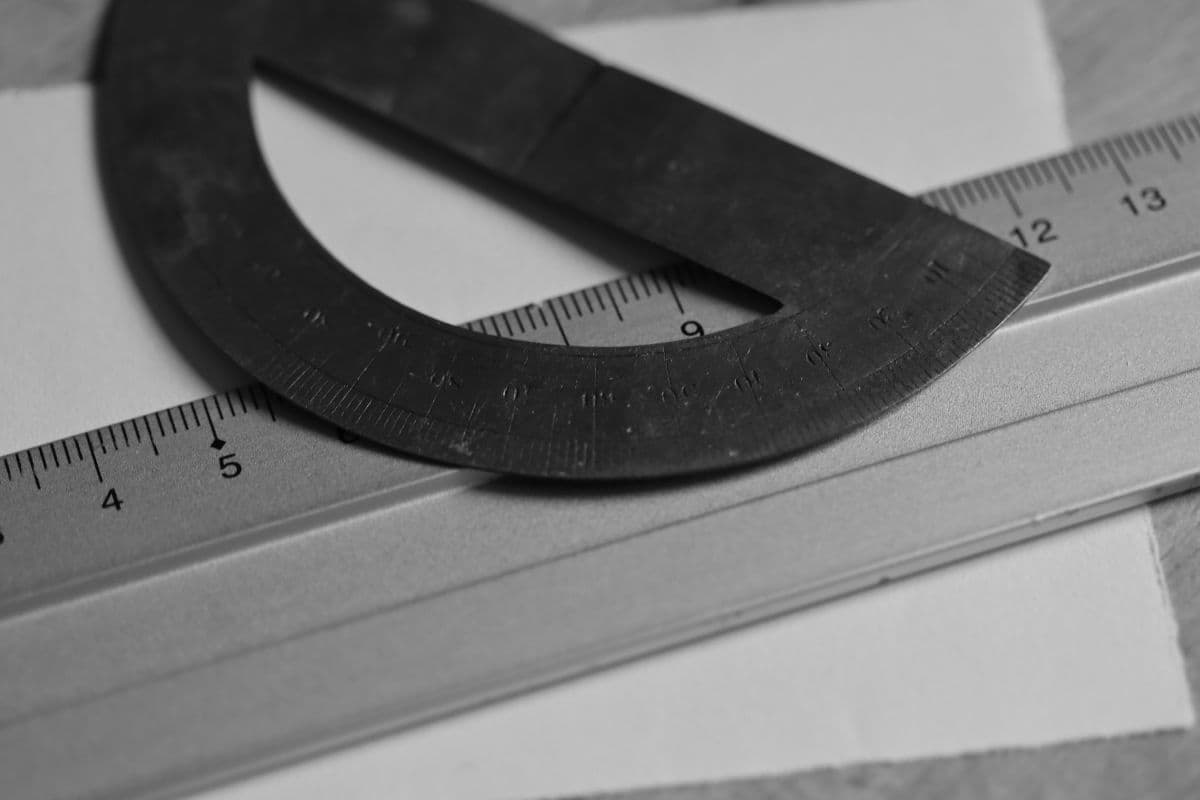
Image by Unsplash
Table of Contents
A circle problem does not always give you the radius directly. Sometimes, you may only know the diameter, circumference, or area and need to work backward from there. The key to how to find the radius of a circle is identifying the information provided and choosing the right relationship to use. This guide covers the most common methods with simple formulas and clear examples.
1. What Is the Radius of a Circle?
Radius refers to the straight-line distance from the center of a circle to any point on its outer edge, known as the circumference.
Every radius within the same circle has an equal length, regardless of the direction in which it is drawn. This fixed distance is one of the basic measurements used to describe the size of a circle.
The radius is also directly related to the diameter, which stretches across the entire circle through its center. A radius is exactly half the diameter, so if a circle has a diameter of 10 inches, its radius is 5 inches.
Beyond describing size, the radius is essential for calculating other properties of a circle.
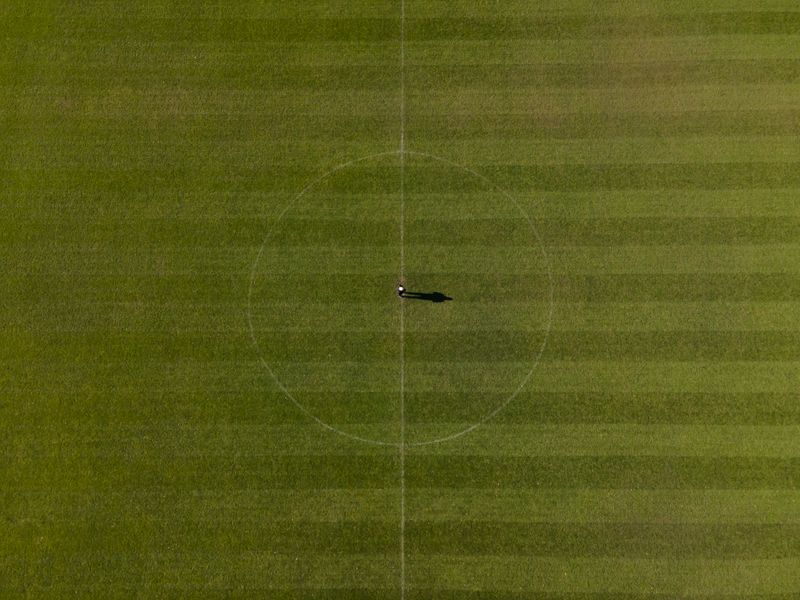
A radius is a straight line that extends from the center of a circle or sphere to any point on its outer edge. (Image by Pexels)
2. How to Find the Radius of a Circle?
Radius calculations depend on whether the problem provides a diameter, circumference, area, or a physical circle. Select the matching formula below, substitute the known value, and keep the measurement units consistent throughout the calculation.
When Diameter Is Given
Formula: r = d ÷ 2
Diameter extends across the circle through its center, so the radius equals half that measurement. Divide the given diameter by two to obtain the distance from the center to the circumference.
Example: A circular wall clock has a diameter of 36 centimeters. Calculate 36÷2=18, which means its radius is 18 centimeters.
This method provides the quickest result because it does not require using π or additional calculations.
When Circumference Is Known
Formula: r = C ÷ (2π)
To find the radius from the circumference, divide the circumference by 2π. If you know the radius and need to find the circumference, use the formula: C = 2πr
Example: A circular fountain has a circumference of 37.68 meters. Using π ≈ 3.14, we have:
37.68 ÷ (2 × 3.14) = 37.68 ÷ 6.28 = 6
Its radius is therefore 6 meters, meaning the fountain extends 6 meters from its center to the outer edge.
When Total Area Is Known
Formula: r = √(A ÷ π)
For how to find the radius of a circle with the area, divide the area by π, then find the square root of the result. This process reverses the standard area formula A = πr²
Example: A circular rug covers 153.86 square feet.
Using π ≈ 3.14: 153.86 ÷ 3.14 = 49
Then, √49 = 7
The radius of the rug is 7 feet, and its diameter is 14 feet.
Find the Center and Radius
Draw two chords across different parts of the circle and mark the midpoint of each one. Construct a perpendicular line through both midpoints. Their intersection shows the center, and the distance from that point to the circumference gives the radius.
This method explains how to find the center and radius of a circle when no measurements are provided. For example, measuring from the located center of a 40-centimeter round tray to its edge gives a radius of 20 centimeters.
Estimate the Radius
Measure the circle’s widest point several times from different directions, average the results, and divide by two. Repeated measurements reduce errors when the exact center or diameter is difficult to identify.
Suppose a round garden bed has measured diameters of 9.8, 10, and 10.2 feet. Their average is 10 feet, giving an estimated radius of 5 feet.
To know how to find the area of a circle with the radius, apply the formula: A = πr²
Calculation:
A = 3.14 × 5² A = 3.14 × 25 A ≈ 78.5
The estimated area of the garden bed is approximately 78.5 square feet.
Avoid four common mistakes with formulas, calculations, and units when finding a circle’s radius. (Image by Unsplash)
3. Radius, Diameter, Circumference, and Area: What’s the Difference?
Circle measurements describe either a distance, boundary, or enclosed space. Comparing their meanings and formulas helps prevent confusion when choosing the correct calculation.
Correct formulas can still produce inaccurate results when values, operations, or units are handled incorrectly. Review these common errors when learning how to find the radius of a circle and check each calculation before finalizing the answer.
Treating the Diameter as the Radius
The diameter is twice the radius because it stretches from one edge to the other through the center. When the diameter is provided, divide it by two. Entering the full diameter as the radius doubles circumference calculations and makes area results four times too large.
Dividing Circumference Only by Pi
Using C ÷ π calculates the diameter rather than the radius. To find the radius, use r = C ÷ (2π) and keep the 2 in the denominator.
For example, if a circle has a circumference of 31.4 centimeters: 31.4 ÷ (2 x 3.14) = 31.4 ÷ 6.28 = 5
The radius is 5 centimeters.
Skipping the Square Root
Calculating A ÷ π produces the squared radius, not the final radius. Take the square root after dividing.
If the area is 78.5 square centimeters: 78.5÷3.14=25 -> √25 = 5, so the radius equals 5 centimeters.
Reporting Incorrect Units
Radius is a length and should use linear units such as centimeters, feet, or meters. Square units belong only to the area. Even when the area is given in square centimeters, the radius calculated from it must be reported in centimeters rather than square centimeters.
5. FAQs about Finding the Radius of a Circle
Several details can affect a radius calculation, including the measurement provided, the formula selected, and the units used in the final answer. These FAQs explain the basic relationships among radius, diameter, circumference, and area more clearly.
Is Radius Half the Diameter?
Yes, the radius is exactly half the diameter because it measures only from the center to the circle’s edge. Use the formula r = d ÷ 2 whenever the diameter is provided. For example, a circle with a 16-centimeter diameter has an 8-centimeter radius.
What Units Should Radius Be In?
Radius should be expressed in linear units, such as millimeters, centimeters, meters, inches, or feet. Use the same basic unit as the measurement given in the problem. If the area is listed in square centimeters, for instance, the resulting radius should be written in centimeters.
Is Diameter Twice the Radius?
Yes, the diameter is twice the radius because it extends from one side of the circle to the other while passing through the center. Apply the formula d=2r to calculate it. If the radius measures 7 feet, the diameter equals 14 feet.
Final Thoughts
Finding a missing radius does not require guesswork when the right measurement and formula are in place. With how to find the radius of a circle, start from the diameter, circumference, or area given in the problem, then calculate carefully and keep the units consistent. Check your answer before rounding to avoid simple errors.
From simple how-to tips to everyday technology questions, having the right information can make routine tasks feel a little easier. Explore more helpful guides and mobile tips on the TAG Mobile blog.
Share
TAG Blog
Stories, guides, and helpful updates for staying connected.