How to Clean a Sink Drain: 2 Main Methods to Get Rid of Odors Naturally
Unpleasant sink odors often come from trapped food particles, grease, soap residue, and bacteria inside the drain. Understanding how to clean a sink drain naturally can help freshe...
Quincy D.-Aug 05, 2026
Image by Unsplash
Table of Contents
Unpleasant sink odors often come from trapped food particles, grease, soap residue, and bacteria inside the drain. Understanding how to clean a sink drain naturally can help freshen the area without relying immediately on harsh chemicals. Two practical methods focus on loosening buildup, flushing away residue, and maintaining better drainage, making it easier to address everyday smells while keeping the sink cleaner between deeper treatments.
1. Where Is the Drain Actually Dirty?
Most drain buildup collects inside the P-trap and along the lower walls of the pipes, where water flow is slower, and residue can settle.
Grease, oils, food particles, hair, soap scum, and other debris gradually cling to these surfaces, creating odors and restricting drainage. Cleaning only the visible opening may improve appearance, but deeper buildup often remains inside the pipe system.
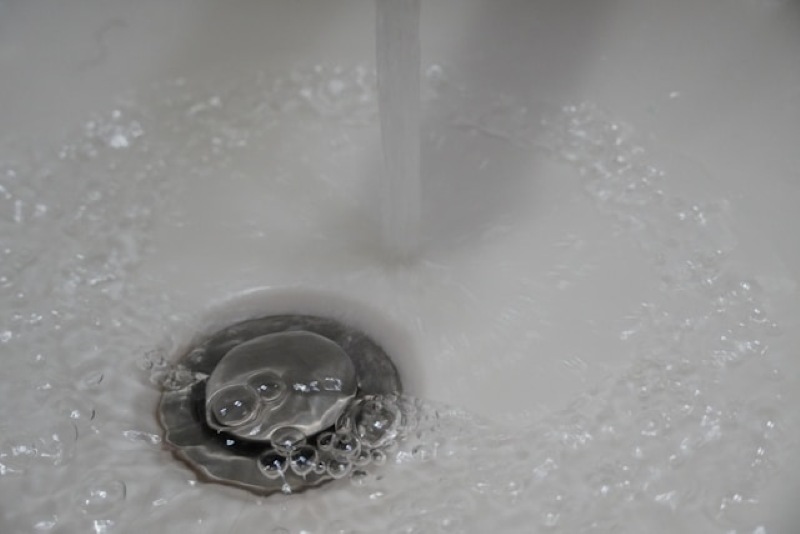
Use the right drain-cleaning method for your bathroom or kitchen to remove buildup more effectively. (Image by Unsplash)
2. How to Clean a Sink Drain for Each Location
Bathroom and kitchen drains collect different kinds of residue, so the cleaning method should match the source of the buildup. Hair and soap are common in bathrooms, while grease, food particles, and oils usually cause kitchen odors.
How to Clean a Bathroom Sink Drain
Bathroom drains often develop buildup from hair, toothpaste, soap residue, and grooming products.
When deciding how to clean a stinky sink drain, start by removing debris near the stopper before treating residue deeper inside the pipe.
Remove the stopper and pull out visible hair or buildup with a drain tool or tweezers.
Pour a kettle of hot, but not boiling, water down the drain.
Add about half a cup of baking soda.
Follow with half a cup of white vinegar.
Cover the opening and let the mixture work for 15 minutes.
Flush again with hot water.
Wash the stopper separately before replacing it.
How to Clean a Kitchen Sink Drain
Kitchen drains usually smell because grease, food scraps, and oils cling to the pipe walls or settle inside the P-trap. Learning how to clean a smelly sink drain begins with removing loose debris and flushing away greasy residue before it hardens.
Clear food particles from the drain opening and strainer.
Pour hot water mixed with a small amount of dish soap into the drain.
Add half a cup of baking soda.
Pour in half a cup of white vinegar.
Let the mixture sit for 15 to 20 minutes.
Flush thoroughly with hot water.
Clean the strainer and the surrounding sink area.
Avoid pouring cooking oil or grease into the drain afterward.
3. Habits That Keep Sink Drains Cleaner for Longer
Small daily habits can prevent grease, hair, soap residue, and food particles from collecting inside the pipes. Consistent care also reduces odors, improves water flow, and makes deeper cleaning less frequent.
Use a Drain Strainer
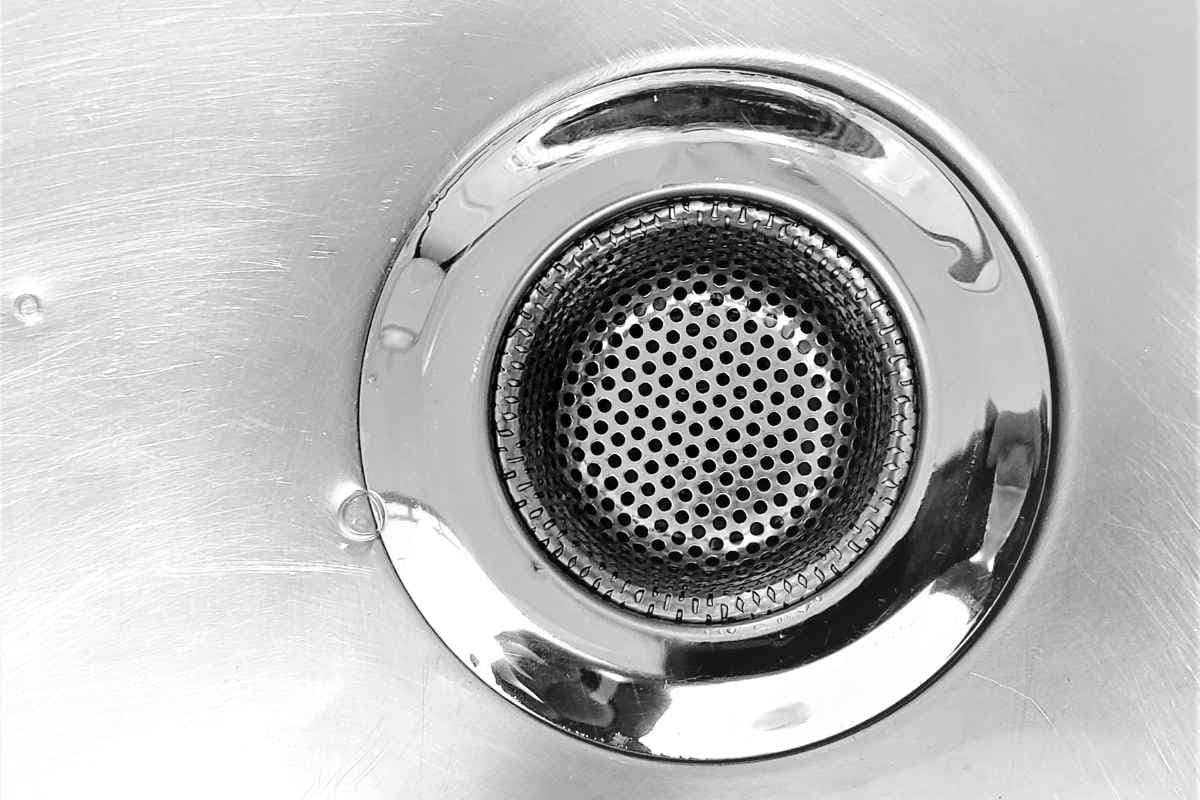
Place a strainer over the drain to catch food scraps, hair, and other debris before they enter the pipes. Empty and rinse it after each use so residue does not accumulate around the opening. This simple barrier can significantly reduce clogs and unpleasant smells.
Keep Grease Out of the Sink
Cooking oil, butter, and grease can cool inside the pipes and create a sticky layer that traps food particles. Pour used grease into a sealed container instead of the drain, then dispose of it properly once it has cooled.
Flush the Drain Regularly
Run hot water through the drain after washing dishes or using the sink to help move soap and light residue through the pipes. When considering how to clean a sink drain, routine flushing can limit buildup before stronger cleaning methods become necessary.
Clean Stoppers and Strainers Weekly
Sink stoppers, strainers, and drain covers often collect grime that contributes to odors. Remove these parts once a week, wash them with warm soapy water, and scrub narrow grooves with a small brush before placing them back.
Remove Debris as Soon as Drainage Slows
Slower drainage may be an early sign that hair, grease, or soap scum is beginning to build up. Addressing the problem promptly with a drain tool, a gentle cleaning method, or P-trap inspection can prevent a minor restriction from becoming a complete blockage.
4. Keep Household Repairs Organized With Your Connected Phone
Household projects are easier to manage when tutorials, shopping lists, maintenance reminders, and repair notes remain accessible throughout the day. Mobile connectivity can also provide a practical backup when home internet is unavailable.
The Lifeline Program is a federal benefit that helps eligible low-income consumers reduce the cost of qualifying phone service, supporting access to calls, texts, data, and essential digital resources. Applicants may qualify through household income at or below 135% of the Federal Poverty Guidelines or participation in an approved assistance program, with only one Lifeline benefit permitted per household.
TAG Mobile is a U.S. wireless provider headquartered in Texas, that offers prepaid plans and Lifeline-supported service. Qualifying consumers may consider TAG Mobile for several practical benefits:
Free monthly phone service for eligible Lifeline customers
Up to 16GB* of free data with unlimited talk and text
Free international calling to more than 200 countries and territories
Free or discounted devices with free delivery, depending on eligibility and inventory
No contracts, credit checks, or long-term commitments
TAG Mobile offers smartphones and tablets that can help users watch repair tutorials, compare household solutions, organize project notes, and stay in contact when assistance is needed.
Device prices and availability may vary by state, ZIP code, eligibility, and current inventory. Check out these devices that you may get at a rare price:
Clovertek G17: Tablet option suited to browsing tutorials, managing reminders, messaging, and everyday mobile tasks.
iPhone 13: iOS device for accessing repair videos, household apps, photos, notes, and online instructions.
Samsung Galaxy S21 5G: 5G-capable smartphone designed for streaming guides, browsing resources, navigation, and daily communication.
FOXXD C67: Straightforward smartphone for calls, messages, web searches, and routine digital needs.
TCL 20 SE: Large-screen smartphone that can make instructional videos, diagrams, and step-by-step repair guides easier to follow.
FOXXD A67L Gen2: Practical device for household planning, online tutorials, communication, and everyday app access.
Samsung Galaxy Tab A 2018: Tablet option with a larger display for viewing detailed repair demonstrations, manuals, and project checklists.
*Offers may vary and are subject to future updates.
Note: Eligibility varies by state and program. Offers depend on availability and qualifications. TAG Mobile operates under the federal Lifeline Program as an Eligible Telecommunications Carrier (ETC). Service is non-transferable and limited to one service per household.
5. Frequently Asked Questions About Sink Drain Cleaning
Drain care depends on the type of buildup, pipe condition, and how often the sink is used. These answers explain when simple household methods are enough and when a different approach may be safer or more effective.
Is baking soda and vinegar enough for drain cleaning?
Baking soda and vinegar can help loosen light residue and reduce mild odors, but they may not remove heavy grease, compacted hair, or a deeper blockage. For stubborn clogs, mechanical removal, P-trap cleaning, or professional service may be more effective.
How often should I clean a sink drain?
Light maintenance every one to two weeks can help control odors and slow buildup, while deeper cleaning may be needed monthly or whenever drainage becomes slower. Knowing how to clean a sink drain regularly can prevent small problems from turning into more difficult blockages.
What’s the safest cleaner for older plumbing?
Warm water, mild dish soap, and gentle mechanical cleaning are usually safer starting points for older pipes. Avoid repeatedly using harsh chemical drain cleaners because they may damage weakened metal, seals, or older plumbing connections.
Why does my bathroom sink clog more often?
Bathroom sinks collect hair, toothpaste, soap scum, shaving residue, and skincare products that can stick inside the drain. These materials often gather around the stopper and P-trap, gradually restricting water flow and causing recurring clogs.
6. Final Thoughts
Keeping drains free from grease, hair, food particles, and soap residue can prevent odors and slow drainage. Knowing how to clean a sink drain helps you choose suitable methods for bathroom and kitchen buildup while protecting older plumbing. Strainers, routine flushing, and prompt debris removal also reduce future clogs.
For more useful guides on various topics, make sure you catch the latest updates from TAG Mobile!
Share
TAG Blog
Stories, guides, and helpful updates for staying connected.