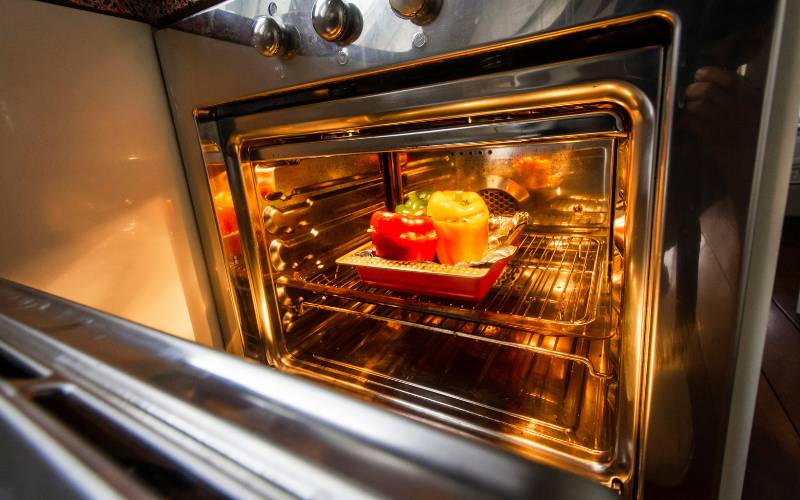
Learning how to clean a microwave can help remove stubborn food stains, reduce odors, and keep your kitchen more hygienic with minimal effort. Simple cleaning methods using steam, vinegar, lemon, or baking soda are often enough to loosen buildup and make wiping easier without harsh chemicals.
Regular maintenance also helps improve cleanliness and prevents old spills from creating lingering smells over time. For more practical household tips and everyday guides, you can also explore helpful resources from TAG Mobile.
1. Quick Answer: How to Clean a Microwave
The easiest way to clean a microwave is by using steam to loosen food splatters and grease before wiping the interior clean. A simple mixture of water and vinegar or lemon can help break down residue quickly without harsh chemicals.
Follow these basic steps:
- Remove loose crumbs and food particles from inside the microwave
- Heat a microwave-safe bowl of water mixed with vinegar or lemon for several minutes
- Let the steam sit inside for a few minutes to loosen stuck-on residue
- Wipe the interior walls, ceiling, and door with a soft cloth or sponge
- Remove and wash the glass turntable separately with warm soapy water
- Dry all surfaces completely before using the microwave again
Regular cleaning can help prevent odors, reduce grease buildup, and keep your microwave working more efficiently.
2. What You’ll Need Before Cleaning
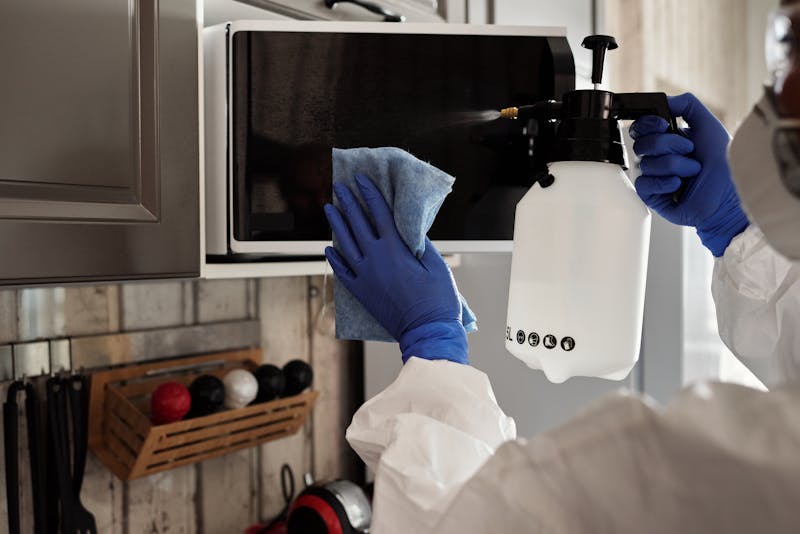
Preparing the right cleaning supplies before starting can make microwave maintenance faster and more effective. Simple household items are often enough to remove grease, food splatters, and lingering odors without using harsh chemical products.
Basic Microwave Cleaning Supplies
Most microwave cleaning tasks only require a few common kitchen items that are already available in many homes. People researching how to clean the inside of a microwave often use gentle ingredients because they can loosen food residue while helping reduce strong odors safely and effectively.
- Warm water
- White vinegar
- Lemon slices or lemon juice
- Baking soda
- Microwave-safe bowl
- Soft sponge or microfiber cloth
- Paper towels
- Mild dish soap
Using softer cleaning materials may also help prevent scratches on microwave surfaces and keep the appliance looking cleaner over time.
What to Avoid
Harsh scrubbing pads, bleach-based cleaners, and strong chemical sprays should generally be avoided when cleaning microwave interiors. Rough materials may scratch interior surfaces, while strong chemicals can leave behind unpleasant odors or residue near food preparation areas.
Metal tools should also never be placed inside a microwave because they may damage the appliance or create safety risks.
Areas People Often Forget
Small microwave sections are easy to overlook during quick cleaning routines, especially when focusing only on visible food stains. Cleaning hidden corners and removable parts regularly can help reduce odor buildup and improve overall appliance cleanliness.
- Door edges and rubber seals
- Ventilation openings
- Microwave ceiling corners
- Glass turntable underside
- Roller ring beneath the tray
- Control panel buttons
- Handle area and exterior edges
Safety Tips
Safe cleaning habits can help protect both the microwave and the person cleaning it.
Those learning how to clean a microwave safely should allow the appliance to cool properly and use gentle cleaning methods to help reduce accidental damage during maintenance.
- Unplug the microwave before deep cleaning whenever possible
- Use microwave-safe bowls when heating water or vinegar mixtures
- Avoid spraying liquid directly into vents or control panels
- Let the hot steam cool slightly before wiping interior surfaces
- Use soft cloths instead of abrasive scrubbers to prevent scratches
>>> Read more: Free Pancake Day (IHOP & National Pancake Day Freebies in 2026)
3. How to Clean a Microwave With Vinegar?
Vinegar is a popular natural cleaning solution for removing grease, food splatters, and odors inside a microwave. When heated with water, it creates steam that helps loosen stuck-on residue, making the cleaning process easier without harsh chemicals.