How to Clean a Grill From Grates to Grease Tray for the Best Clean
After a few cookouts, charred scraps cling to the grates while grease collects in places you rarely see. Tackling that buildup takes more than a quick scrub before dinner. This art...
Quincy D.-Oct 09, 2026
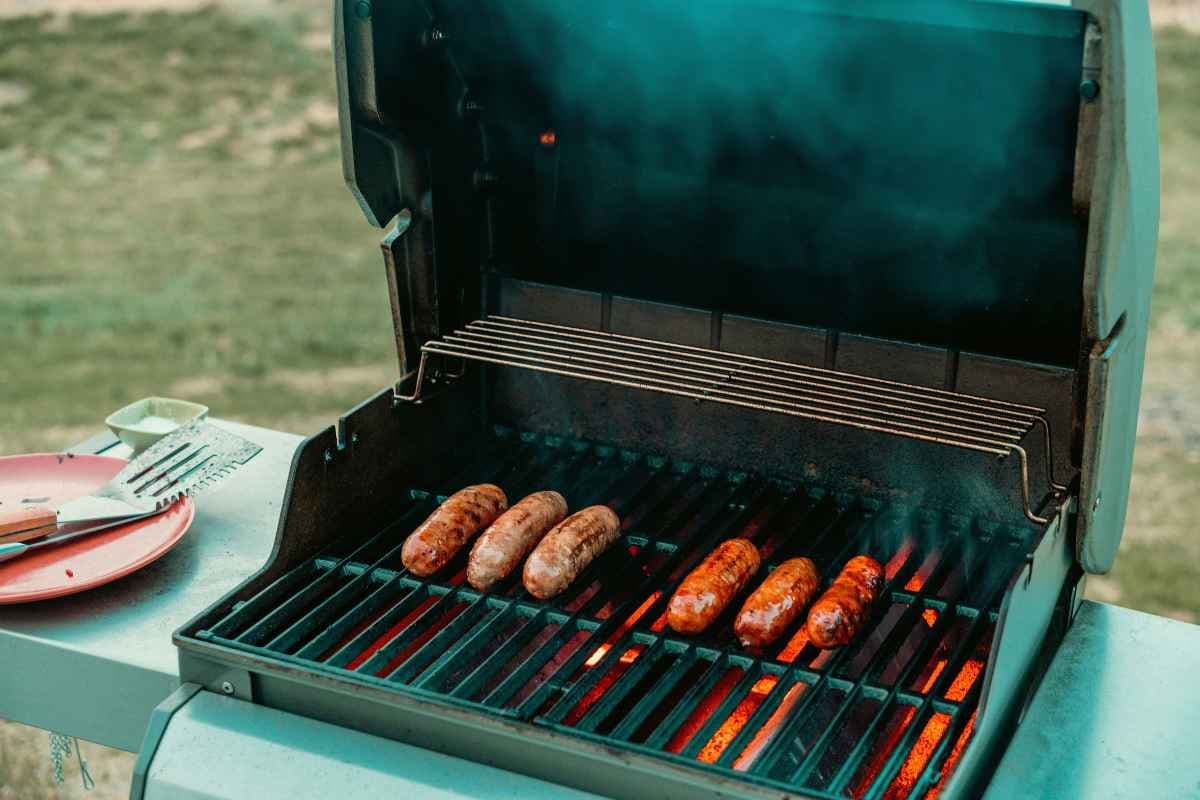
Image by Unsplash
Table of Contents
After a few cookouts, charred scraps cling to the grates while grease collects in places you rarely see. Tackling that buildup takes more than a quick scrub before dinner.
This article shows how to clean a grill, covering the supplies and attention each component needs so you can work through the mess efficiently and get everything ready for the next round of burgers, vegetables, or steaks.
1. What Do You Need to Clean a Grill?
Gathering a few basic supplies before you begin saves trips back to the kitchen with greasy hands. Choose tools suited to your grill’s materials, and check the manual before soaking parts or applying stronger cleaners.
Grease and food residue collect differently on a solid cooking plate than on grates above open burners. Match your cleaning routine to the surface and grease system so you can remove the mess without damaging the grill.
So, let’s read how to clean a grill in three methods!
A Blackstone Grill
These steps explain how to clean a Blackstone grill with a traditional seasoned steel surface. For electric models with coated plates, follow the model’s cleaning instructions instead.
Turn off the burners and let the plate cool until warm before you begin scraping.
Gently push food scraps and excess grease toward the collection opening using a metal griddle scraper.
Add a little warm water to stubborn patches, then loosen them carefully while avoiding rising steam.
Wipe away residue with paper towels held in tongs, repeating until no loose debris remains.
Dry the plate thoroughly, let it cool, and spread a very thin coating of cooking oil.
Empty the cooled grease cup, wipe any exterior splashes, and cover once completely dry.
A Flat Top Grill
Before deciding how to clean a flat top grill, check whether its cooking plate is steel, chrome, or nonstick.
That finish determines which scrapers, pads, and cleaning products you can safely use.
Turn off the appliance and let it reach the cleaning temperature recommended in its manual.
Gather loose scraps and grease with a compatible scraper, directing them into the collection tray.
Loosen stuck-on residue using the manufacturer’s recommended method, adding water only if permitted.
Wipe the plate with an approved cloth or pad, removing deposits and any cleaning solution.
Dry thoroughly, then apply oil only if the cooking surface requires seasoning.
Empty the cooled grease tray, wash it as directed, and dry before replacing it.
A Gas Grill
Working through how to clean a gas grill is easier when you move from the grates toward the grease tray.
Shut off the burners and gas supply, then let everything cool before removing components.
Lift out the cooking grates and heat shields, noting their positions, so reassembly is straightforward.
Remove buildup with compatible tools, washing removable parts only as directed before rinsing and drying.
Gently scrape loose deposits from the lid and cookbox without pushing debris into burner openings.
Brush burner ports with a separate, clean brush as instructed; avoid inserting sharp objects into them.
Empty the catch pan and clean grease from the tray, following the manufacturer’s directions.
Wipe exterior surfaces and reinstall every component once dry.
3. How Often Should You Clean Your Grill?
Give your grill a quick clean after every use, removing food scraps from the cooking surface and checking the grease tray once it has cooled.
When learning how to clean a grill, it is also helpful to separate routine maintenance from occasional deep cleaning. Plan a thorough clean one to three times per year, depending on how often you cook.
Frequent grilling or noticeable grease buildup calls for more attention, especially beneath the grates, around the heat shields, and inside the cookbox.
4. Tips to Keep Your Grill Cleaner Between Deep Cleans
Nobody wants to spend the start of a cookout scraping away last weekend’s leftovers.
A few habits can make how to clean a grill less of a chore when it is time for a thorough scrub.
Clear away food scraps after cooking, using tools and a cleaning temperature suited to your grill before residue hardens.
Check the grease tray once it has cooled, and empty it before drippings accumulate or spill.
Add sugary sauces toward the end of cooking to reduce burnt, sticky patches on the cooking surface.
Wipe splashes from side shelves and handles once cool, especially around edges where grease can collect unnoticed.
Dry washed parts thoroughly before putting them back, and lightly oil seasoned steel or cast iron if your manual recommends it.
Cover the grill only when it is cool and dry to keep out rain and dirt without trapping moisture.
Occasionally check beneath the grates for loose scraps and grease, even when the cooking surface looks clean.
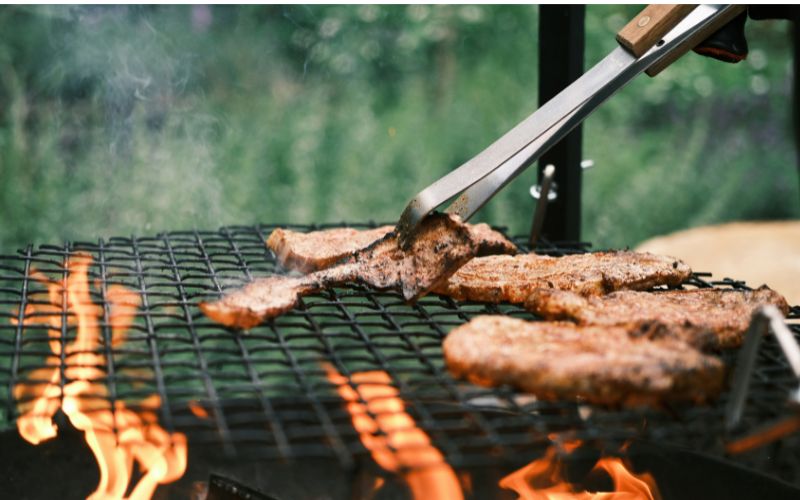
Keep grease and food residue under control with easy habits that make your next grill cleanup faster. (Image by Unsplash)
5. FAQs about Cleaning a Grill
Grill materials respond differently to heat, soap, and water, so a shortcut that works on one model may damage another. These answers clarify how to clean a grill without overlooking the care its individual parts need.
Should You Clean a Grill When It Is Hot or Cold?
Routine grate cleaning may be easier while the surface is warm, provided your manual and cleaning tool allow it. For deep cleaning, let the grill cool and shut off the gas or disconnect the power before removing parts. Never handle hot grease trays or splash water onto a scorching surface.
Can You Clean a Grill With Dish Soap?
Mild dish soap works for many washable grates, removable grease trays, and exterior surfaces when the manufacturer permits it. Rinse thoroughly and dry before reassembly. For routine cleaning of a seasoned Blackstone steel plate, follow its water-and-scraper method rather than adding dish soap.
Should You Oil Grill Grates After Cleaning?
Cast-iron and uncoated steel grates may benefit from a very thin layer of cooking oil after cleaning and drying. Stainless steel, porcelain-coated, and nonstick surfaces do not all require the same treatment, so follow your manual. Avoid excess oil, which can leave sticky deposits.
Can You Hose Down the Inside of a Gas Grill?
Generally, avoid spraying a hose inside an assembled gas grill because water can enter burners, ignition components, and other areas that are difficult to dry. Remove debris with a scraper or brush, then wipe approved surfaces with a damp cloth. Wash removable parts separately if the manufacturer allows it.
6. Final Thoughts
A little maintenance after each cookout can make the next grilling session much easier to prepare for. With how to clean a grill, focus on removing grease and food residue while using methods that suit the grates, trays, and other surfaces on your specific grill. Regular light cleaning can also prevent buildup from becoming a tougher job later.
TAG Mobile offers practical everyday resources you can check from your phone whenever another home or outdoor task comes up.
Share
TAG Blog
Stories, guides, and helpful updates for staying connected.