Your engine depends on a steady supply of clean air, and a dirty filter can gradually make that job more difficult. Fortunately, how to change car air filter is one maintenance tas...
Quincy D.-Oct 07, 2026
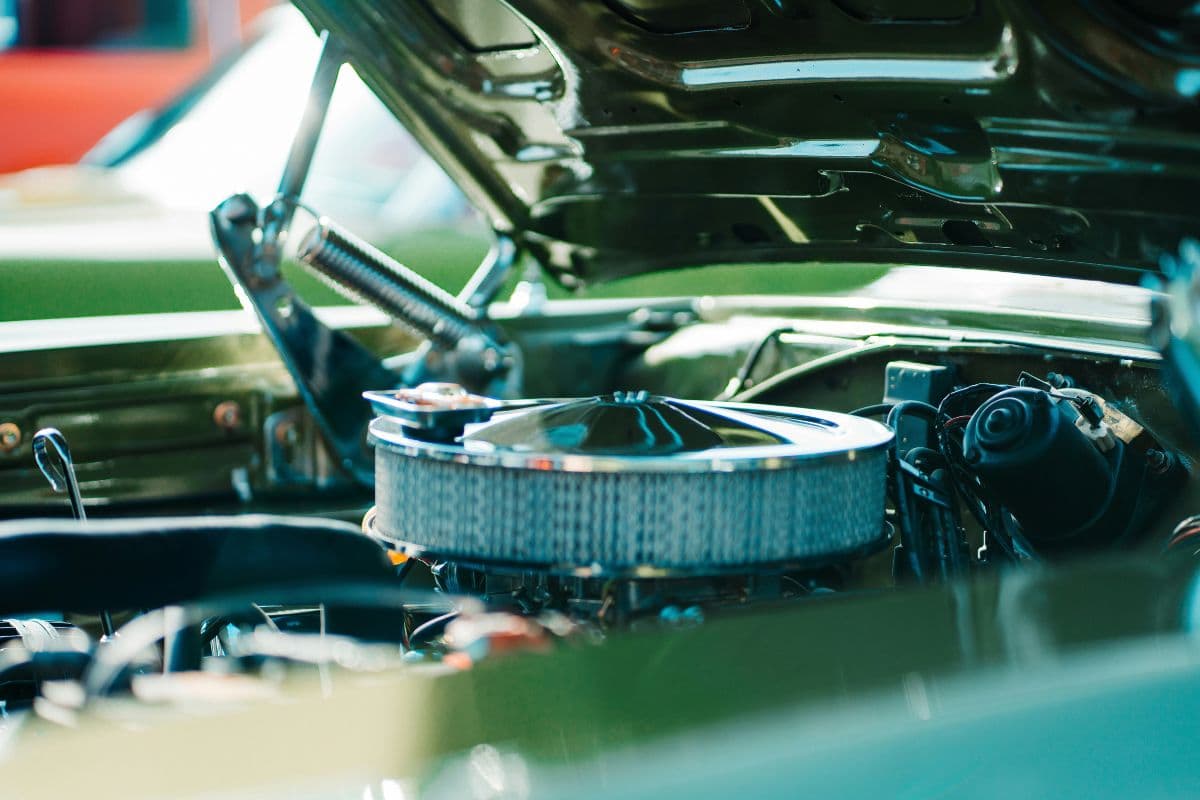
Image by Unsplash
Table of Contents
Your engine depends on a steady supply of clean air, and a dirty filter can gradually make that job more difficult.
Fortunately, how to change car air filter is one maintenance task many drivers can handle at home without advanced mechanical skills or specialized equipment. Once you have the correct replacement filter, a few simple checks and careful steps can help you complete the job properly.
1. What Does the Engine Air Filter Actually Do?
Engine air filters do much more than keep visible dirt away from internal components. They help regulate the quality of air entering the engine, which can influence combustion, performance, efficiency, and overall durability.
Keeps Dirt and Debris Out of the Engine
Dust, sand, pollen, and road debris can enter through the intake system if they are not filtered properly.
The air filter traps these particles before they reach sensitive engine components, helping reduce abrasive wear and protecting internal surfaces from unnecessary damage over time.
Supports Proper Airflow for Combustion
Engines need a steady supply of clean air to mix with fuel during combustion.
When airflow becomes restricted by a clogged filter, performance may feel less responsive. Knowing how to change car air filter helps maintain the airflow the engine needs to operate more smoothly.
Helps Maintain Engine Efficiency
Restricted airflow can force the engine to work harder than necessary. Replacing a dirty filter helps restore a cleaner intake path, which may support more consistent combustion, smoother acceleration, and better overall efficiency depending on the vehicle and driving conditions.
Protects Engine Components Over Time
Small contaminants can gradually wear down engine parts if they pass through the intake system repeatedly. A properly fitted filter acts as an early line of defense, helping limit exposure to particles that could otherwise contribute to premature wear or reduced engine longevity.
Replacing the engine air filter is usually a simple maintenance task that can be done at home with minimal tools. Following how to change air filter in car in the correct order helps protect the engine from dust and debris while ensuring the new filter fits securely.
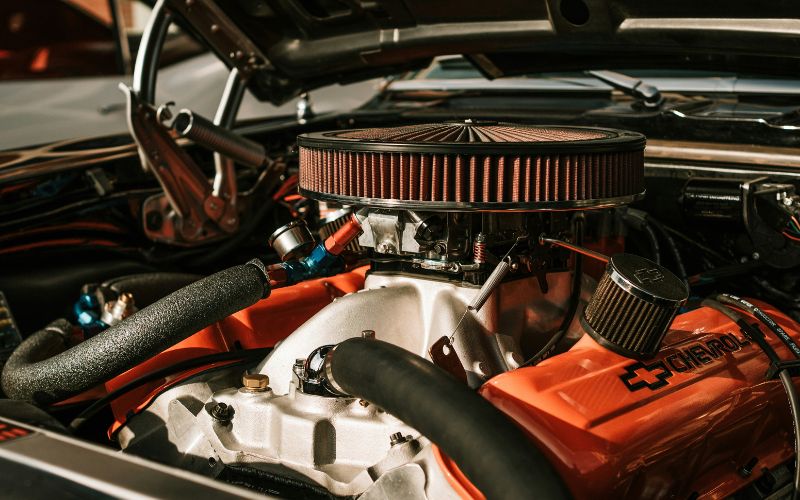
How to change air filter in car? Follow these steps to maintain clean airflow and protect the engine from debris. (Image by Unsplash)
Step 1: Let the Engine Cool
Park the car on a level surface, switch off the engine, and wait until the engine bay cools down. This makes the job safer and helps you avoid touching hot components while working under the hood.
Step 2: Locate the Air Filter Housing
Open the hood and find the air filter housing, usually positioned near the top or side of the engine compartment. If you are unsure where it is, check the vehicle owner’s manual for the exact location.
Step 3: Open the Air Filter Housing
Release the clips, screws, bolts, or other fasteners holding the housing closed. Keep any removed hardware in one place, so it is easy to reinstall after the new air filter is fitted.
Step 4: Remove the Old Air Filter
Lift the housing cover carefully and take out the existing filter.
Pay attention to how it sits inside the housing so you can place the replacement in the same position and orientation.
Step 5: Clean the Filter Housing
Inspect the empty housing for dust, leaves, insects, or loose debris.
Wipe the area gently with a clean cloth, taking care not to push dirt deeper into the engine’s air intake system.
Step 6: Install the New Air Filter
Place the correct replacement filter inside the housing and make sure it sits flat around the edges. The filter should fit naturally without being forced, twisted, or leaving visible gaps around the seal.
Step 7: Close and Secure the Housing
Return the cover to its original position and reinstall every clip, screw, or fastener.
Check that the housing is completely closed and secure before lowering the hood and starting the vehicle.
3. How Often to Change Car Air Filter?
If you are wondering how often to change air filter in car, checking it during every oil change is a practical way to catch heavy dirt or clogging early.
Most engine air filters should be replaced about every 12,000 to 15,000 miles or roughly once a year, although some manufacturers recommend intervals of 30,000 to 45,000 miles.
Cabin air filters generally need replacement every 12 to 18 months, or around 15,000 to 30,000 miles.
Driving frequently on dusty roads, in heavy traffic, or during high-pollen seasons may require more frequent changes, especially if airflow weakens or allergy symptoms become more noticeable inside the vehicle.
4. 7 Signs Your Car Air Filter May Need Attention
Mileage guidelines are useful, but driving conditions and filter condition can matter just as much as the calendar. For example, how often to change air filter car may differ significantly for someone driving on dusty rural roads compared with a driver using mostly clean highways.
1. The Filter Looks Heavily Dirty or Clogged
Open the air filter housing and examine the filter under good lighting.
Heavy gray or dark buildup, thick dust, leaves, or debris covering much of the surface can restrict airflow and indicate that replacement is due rather than simply waiting for the next scheduled service.
2. Dirt Is Packed Between the Pleats
Dust can collect deep inside the folded pleats even when the outer surface does not look extremely dirty. If debris is tightly packed between those folds and cannot be removed easily, the filter may no longer allow sufficient clean air to reach the engine.
3. Acceleration Feels Different
Reduced airflow can sometimes affect how smoothly the engine responds when you press the accelerator, especially if the filter is severely clogged.
Sluggish response has many possible causes, so inspect the air filter as one simple maintenance check rather than assuming it is automatically responsible.
4. Fuel Economy Has Changed
A drop in fuel economy may prompt you to inspect the air filter, but a dirty filter is not necessarily the cause. Modern vehicles can often compensate for restricted airflow, so performance changes may appear before fuel economy is affected.
Researches found no measurable fuel-economy loss from clogged air filters in the modern vehicles studied, although acceleration declined.
If mileage worsens, inspect the filter but also consider other causes such as tire pressure, driving habits, or mechanical issues.
5. The Engine Runs Roughly
Rough idling, hesitation, or uneven running can occasionally accompany an airflow problem, particularly when the filter is severely restricted. Because ignition, fuel delivery, sensors, and other components can create similar symptoms, use the filter condition as part of a broader diagnostic check.
6. The Check Engine Light Appears
A clogged filter does not always trigger the check engine light directly, but airflow-related problems can sometimes contribute to engine-management faults.
If the warning light appears, inspect the filter while also reading diagnostic codes instead of relying on how to change car air filter alone as the solution.
7. You’ve Reached the Manufacturer’s Inspection or Replacement Interval
Service intervals provide a useful baseline even when the car seems to run normally.
Check the owner’s manual for the recommended mileage or time interval, inspect the filter regularly, and shorten that schedule when driving in dusty, sandy, polluted, or otherwise demanding conditions.
5. FAQs about Changing a Car Air Filter
When it comes to how to change car air filter, the answer might be straightforward. But, a few practical questions can make the process easier and help prevent installation mistakes.
These quick answers cover timing, orientation, tools, and the effect a dirty filter can have on vehicle performance.
How Long Does It Take to Change a Car Air Filter?
For most vehicles, replacing the engine air filter takes about 10 to 20 minutes. Access can vary by model, so cars with tightly packed engine bays or extra housing fasteners may take a little longer.
Can I Change My Car Air Filter Myself?
Yes, many drivers can replace an engine air filter at home without professional help. The process usually involves opening the filter housing, removing the old filter, cleaning loose debris, and installing the correct replacement.
Which Way Do I Put My Air Filter in My Car?
Install the new filter in the same orientation as the old one, making sure it sits flat inside the housing. If the filter has airflow arrows or directional markings, follow those instructions carefully so the element seals and functions properly.
Can I Drive With a Bad Air Filter?
You can usually drive for a short time with a dirty filter, but leaving it clogged for too long may restrict airflow and affect engine performance. Replacing it promptly is better than waiting until symptoms become more noticeable.
Can a Dirty Air Filter Affect Acceleration?
Yes, a severely restricted filter can reduce airflow and contribute to sluggish acceleration or hesitation. However, acceleration problems can also come from fuel, ignition, sensors, or other engine components, so the filter should be checked as one possible cause.
Does a New Air Filter Improve Gas Mileage?
Replacing a heavily clogged filter can help restore proper airflow and may improve efficiency if restriction was affecting engine performance. On many modern fuel-injected vehicles, however, the change in fuel economy may be modest rather than dramatic.
Do I Need Tools to Change a Car Air Filter?
Some vehicles use simple clips that can be opened by hand, while others require a screwdriver, socket, or basic wrench. Checking the housing before you begin helps you gather the correct tools and avoid interrupting the job midway.
6. Final Thoughts
A fresh engine air filter is a small maintenance step that can help keep airflow clean and your vehicle running as intended. Once how to change car air filter becomes part of your routine, check the filter periodically, use the correct replacement, and make sure it sits securely inside the housing. Your vehicle’s recommended service interval can help you decide when replacement is due.
TAG Mobile also shares practical tips for everyday maintenance and other common tasks, so check out for more updates!
Share
TAG Blog
Stories, guides, and helpful updates for staying connected.