How Long Does Lip Filler Last? Recovery Timeline & 7 Factors That Determine Duration
Freshly enhanced lips can look different from one day to the next, making it easy to confuse normal healing with fading results. Beyond the initial appointment, product choice and...
Quincy D.-Oct 06, 2026
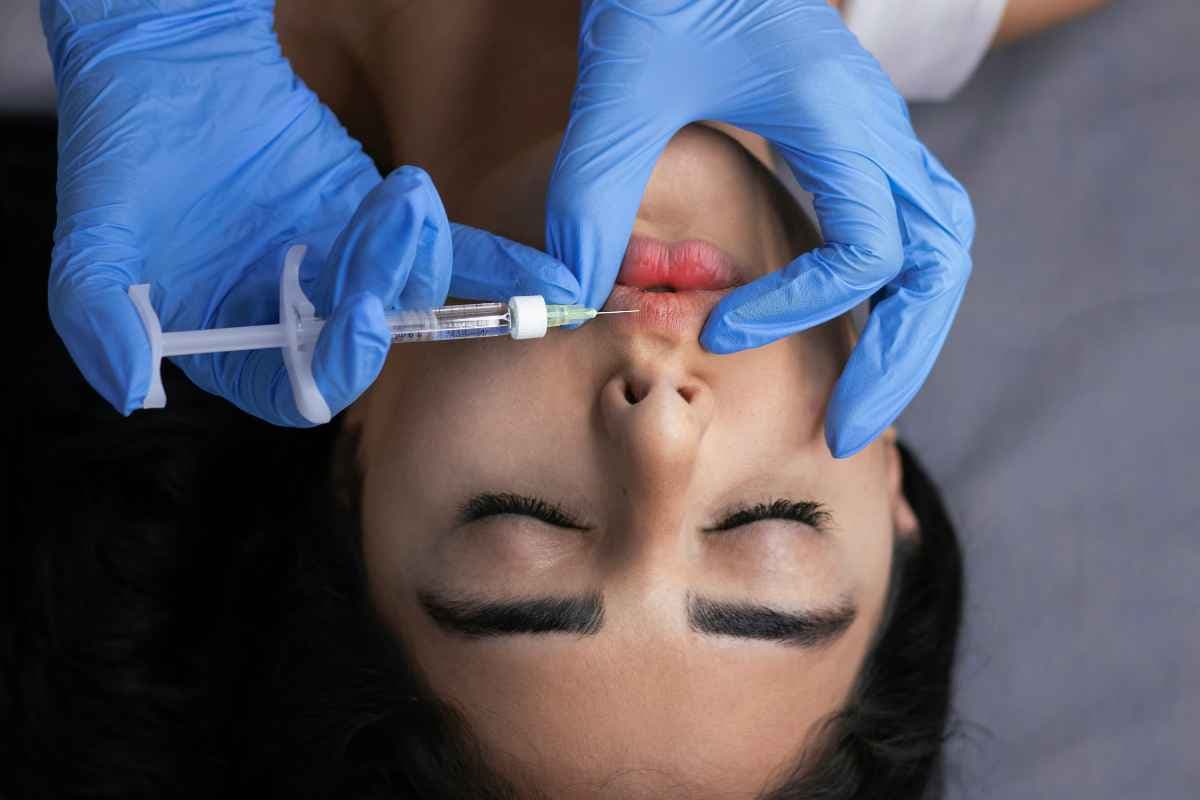
Image by Unsplash
Table of Contents
Freshly enhanced lips can look different from one day to the next, making it easy to confuse normal healing with fading results. Beyond the initial appointment, product choice and individual response shape the experience. This guide addresses how long does lip filler last, walks through recovery expectations, and explains which changes deserve a routine review or a timely conversation with your treating clinician before considering maintenance.
1. How Long Does Lip Filler Last?
Lip filler does not produce permanent results. Hyaluronic acid fillers gradually break down over time, and the visible effect can vary depending on the product used and individual factors.
The FDA guidance notes that hyaluronic acid filler effects generally last about 6 to 12 months, while clinical research shows that some patients can still have measurable improvements in lip fullness at 12 months. For this reason, there is no single timeline that applies to everyone.
2. Why Does Lip Filler Last Longer for Some People?
Similar appointments do not always produce the same duration of visible enhancement. Product characteristics, treatment choices, and individual differences all influence the result, although their effects cannot be reduced to an exact formula.
The Type of Filler Used
Most lip fillers use hyaluronic acid, a substance that attracts water and provides temporary fullness.
Chemical crosslinking helps the gel resist breakdown, influencing its durability. However, longer duration claims for other filler materials should not guide lip treatment decisions, because products differ in their approved uses and suitable injection areas.
Your Metabolism
Individual differences in how the body processes filler may contribute to uneven treatment duration.
Metabolism is often cited as one factor, but it cannot reliably predict when your results will fade. Being younger or more active does not establish a personal timeline, so previous treatment response offers useful context for discussion.
The Amount of Filler Injected
Injected volume influences how noticeable the enhancement becomes, rather than providing a simple measure of longevity.
Subtle treatment may appear to fade sooner because the initial change was smaller. Increasing the amount solely to prolong results can lead to overfilling; appropriate volume should reflect your lip anatomy and desired appearance.
Where and How the Filler Is Placed
Treatment may emphasize the lip border, central fullness, or lines around the mouth. Placement and technique shape the cosmetic outcome, making injector experience especially important.
Depth should follow the product instructions and anatomical assessment, rather than the assumption that deeper injections last longer or that one technique guarantees superior durability.
Your Individual Anatomy
Natural lip proportions and existing asymmetry affect how enhancement appears after healing.
Early swelling can exaggerate fullness, which explains why how long does lip filler swelling last is a separate question from longevity. Judge gradual fading against your settled appearance, rather than photographs taken immediately after treatment or during initial recovery.
Previous Filler Treatments
Earlier treatments can influence your starting appearance and the amount of correction currently needed. Share previous product names, injection dates, and any dissolving procedures with your clinician.
Repeated appointments do not automatically produce longer-lasting results, and existing enhancement should be reviewed before another injection is added to the same area.
The Specific Product Used
Products within the hyaluronic acid category have distinct formulations and clinical evidence. For example, Restylane Kysse reports lip enhancement lasting up to one year, but individual experiences still vary.
You should inquire about which product your injector recommends, what its lip-specific studies show, and whether an initial touch-up is included in that estimate.
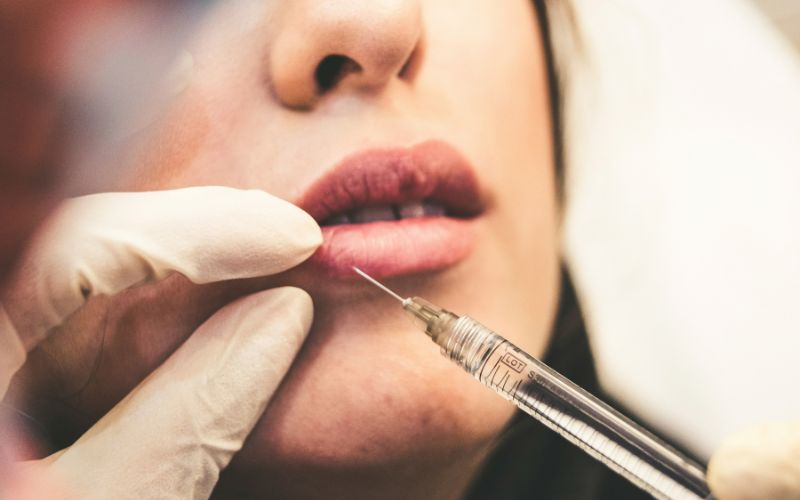
How long does lip filler last? Lip filler longevity can vary based on the product, treatment approach, and individual factors. (Image by Unsplash)
3. How Can You Tell When Lip Filler Is Starting to Wear Off?
Fading usually becomes apparent through gradual changes after the recovery period has passed. These visual clues can help you discuss how long does lip filler last with your injector, but they cannot establish exactly how much material remains.
Fullness Slowly Decreases
Your lips may look less rounded or project less than they did once the initial swelling settled.
Compare photographs taken under similar lighting, at the same angle, and with a relaxed expression. Consistent images make subtle changes easier to assess without mistaking differences in makeup or facial position for fading.
Lip Borders Look Less Defined
Edges enhanced during treatment may gradually become less prominent, including the outline of the upper lip or Cupid’s bow.
This change can occur without an obvious loss of overall fullness. Review whether definition was part of your original treatment goal before deciding that a softer outline requires another filler appointment.
Fine Lines Become Noticeable Again
Lines previously softened by treatment may become more visible as its cosmetic benefit decreases. Dryness can also emphasize surface creases, so their return does not prove that filler has fully disappeared.
Discuss persistent changes with your injector, who can assess whether further treatment would address the concern you are noticing.
Your Original Lip Shape Becomes More Familiar
Over several months, your lips may begin to resemble their pretreatment proportions more closely. Side-by-side photographs can help you recognize that gradual shift, especially when daily changes are difficult to notice. Treat this as a reason for review rather than an automatic signal to book another full syringe of filler.
These are practical observations rather than diagnostic signs. Temporary fillers may require repeat treatment to maintain their effect, but the timing should follow an assessment of your current appearance.
4. Maintenance and Touch-Ups to Keep Results Longer
Maintaining a preferred appearance involves reviewing changes rather than following a rigid injection calendar. Your plan should account for remaining enhancement, the product used, and whether another treatment would offer a worthwhile improvement.
Schedule Touch-Ups Before Complete Fading
Book an assessment when the result no longer matches your goals, even if some enhancement remains. When discussing how long does lip filler last, ask whether a conservative touch-up is appropriate or whether waiting would be better.
Additional treatment should respond to a demonstrated need rather than a preset deadline.
Lifestyle Factors That Speed Up Filler Breakdown
Claims that exercise, caffeine, or ordinary heat reliably accelerate filler breakdown are not well established. Smoking and sun exposure can affect natural lip appearance, which is a different issue from proving faster filler degradation.
Follow temporary activity restrictions during recovery, but avoid abandoning healthy habits solely to preserve your enhancement.
How to Extend Filler Longevity
Choose an experienced medical injector, discuss suitable products, and follow the aftercare provided for your treatment. Keep a record of appointments and compare settled results before considering maintenance.
No topical product or supplement guarantees extra months of enhancement; the practical goal is appropriate treatment and follow-up without unnecessary additional injections.
5. FAQs about Lip Filler
Swelling and bruising belong to the recovery timeline, while maintenance concerns the gradual loss of cosmetic effect. Keeping those timelines separate helps you interpret changes and recognize when professional assessment is needed.
How Often Do You Need to Get Lip Filler Redone?
Many people discuss maintenance within approximately 6-12 months, but there is no universal retreatment schedule. Your injector should consider the product, remaining enhancement, and your goals before recommending another appointment for injections.
Is Bruising Normal After Lip Filler?
Mild bruising near injection sites is a recognized temporary reaction. Seek immediate medical attention for unusual pain, white or gray skin, concerning blue discoloration, or vision changes, which may indicate a serious complication.
Is Lip Filler Swelling Worse the Next Day?
Yes, swelling can become more noticeable the following day, although its severity varies between treatments. Severe pain, abnormal skin color, or vision changes should receive prompt medical attention rather than being dismissed as ordinary swelling.
How Long Does Bruising Last After Lip Filler?
Bruising often clears within 7-14 days, although it may improve sooner. Contact your injector if it is not improving or appears alongside worsening pain, and discuss medications with your clinician rather than stopping prescribed treatment yourself.
How Long Does Swelling Last After Lip Filler?
Swelling often improves within 24-48 hours, but it may take up to a week to subside. Your clinician may review the settled appearance around two weeks after treatment; swelling that persists or worsens should be assessed.
6. Final Thoughts
Lip filler gradually fades, but recovery and lasting enhancement follow different timelines. When considering how long does lip filler last, use product-specific guidance and your healed appearance to set realistic expectations. A qualified injector can help you decide whether a touch-up is appropriate or whether your current results need more time.
Stay connected to useful online information with TAG Mobile!
Share
TAG Blog
Stories, guides, and helpful updates for staying connected.